 PH
PH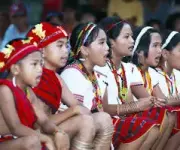
The Philippines maintains a large inventory of intangible cultural heritage covering oral traditions, rituals, performing arts, traditional knowledge, and craftsmanship.
The National Commission for Culture and the Arts (NCCA) maintains the country's intangible cultural heritage inventory and supports safeguarding programs. Some traditions are maintained through families, while others rely on community organizations and local practitioners.
The School of Living Traditions is one example of how this knowledge is intentionally transmitted to younger generations. UNESCO's Philippine listings currently include traditions from communities such as the Subanen, Ifugao, Maranao, and Aklanon.
This means Philippine cultural heritage is not one single tradition—it is a collection of many community-specific traditions.
© NCCA