 PH
PHakimotoyoshiru
Fanatic
Cebuano Escabeche is distinct for its vibrant color and a perfect balance of "aslum-tam-is" (sour and sweet). While many versions use ginger and bell peppers, the Cebuano style often leans into a slightly more pronounced sweetness and a beautiful orange hue, usually achieved through a touch of tomato paste or ketchup.
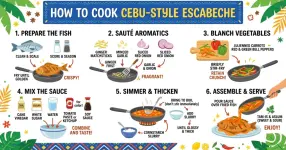
Here is a traditional approach to preparing this favorite:
Here is a traditional approach to preparing this favorite:
Ingredients
The Fish:- 1 large whole fish (Lapu-lapu, Snapper, or Tilapia), cleaned and scaled
- Salt and pepper for seasoning
- Cooking oil for deep frying
- Flour or cornstarch (optional, for a crispier skin)
- 1 large red onion, sliced into rings
- 4 cloves garlic, minced
- 2-inch piece of ginger, cut into julienne strips (thin matchsticks)
- 1 red bell pepper, sliced into strips
- 1 green bell pepper, sliced into strips
- 1 medium carrot, julienned or sliced into flowers
- 1 cup water
- 1/2 cup cane vinegar (Datu Puti or similar local vinegar)
- 1/2 cup white or brown sugar (adjust to your preferred sweetness)
- 2 tbsp tomato paste or banana ketchup (gives it that classic Cebuano color)
- 1 tbsp soy sauce (for depth)
- 1 tbsp cornstarch dissolved in 2 tbsp water (slurry)
Instructions
- Prepare the Fish: Pat the fish dry with paper towels. Score the sides diagonally, season generously with salt and pepper, and lightly dread in flour if desired. Fry in hot oil until golden brown and crispy on both sides. Drain on a wire rack or paper towels and place on a serving platter.
- Sauté the Aromatics: In a separate pan, heat 2 tablespoons of oil. Sauté the ginger first until fragrant and slightly browned. Add the garlic and onions, cooking until the onions are translucent.
- Cook the Vegetables: Add the carrots and bell peppers. Stir-fry for 2–3 minutes. You want them cooked but still retaining a bit of "crunch" and vibrant color. Remove the vegetables from the pan and set aside to avoid overcooking them in the sauce.
- Simmer the Sauce: In the same pan, pour in the water, vinegar, sugar, tomato paste (or ketchup), and soy sauce. Bring to a boil. Do not stir immediately after adding the vinegar to allow the "sharp" raw acidic taste to cook off.
- Thicken: Once boiling, taste the sauce and adjust the sugar or salt as needed. Slowly pour in the cornstarch slurry while stirring constantly until the sauce thickens to a glossy consistency.
- Assemble: Return the sautéed vegetables to the sauce for 30 seconds to coat them. Pour the hot sauce and vegetables over the fried fish immediately.
Expert Tips for the Best Results
- The Ginger is Key: In Cebu, ginger isn't just a background note; it’s a main flavor profile that cuts through the fishiness. Don't be afraid to use a generous amount.
- Crispy vs. Soggy: If you prefer the fish to stay crispy, serve the sauce in a separate bowl on the side or pour it over just before the moment of eating.
- The Vinegar: If you can find Sukang Pinakurat or coconut vinegar, it adds an extra layer of local authenticity compared to standard white distilled vinegar.