 PH
PH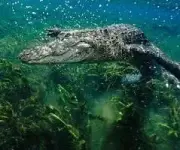
Stones have been found inside the stomachs of crocodilians, and they're known as gastroliths.
Researchers have proposed several possible functions, including helping with digestion and influencing buoyancy while the animal is in water.
Experiments with American alligators have shown that gastroliths can increase the amount of time they can remain submerged before resurfacing.
So the rocks inside a crocodilian aren't necessarily there because it accidentally mistook them for food.
© University of Utah