 PH
PH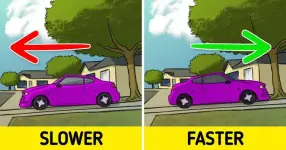
People sometimes perceive a return journey as shorter even when both directions take approximately the same amount of time. Researchers call this the return trip effect.
One explanation involves expectations. If the outbound journey feels longer than anticipated, expectations for the return journey may adjust, making the trip back feel comparatively shorter.
Familiarity with the route may also influence the experience.
Quick takeaway: Two journeys can take the same amount of time on a clock while feeling completely different to the traveler.
© Association for Psychological Science