 PH
PH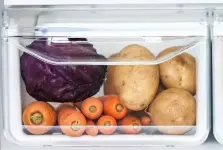
Cold storage can cause some potato starch to convert into reducing sugars.
When those potatoes are later cooked at high temperatures—particularly frying, roasting, or baking—the additional sugars can contribute to increased formation of acrylamide.
For this reason, food-safety guidance generally favors storing raw potatoes in a cool, dark, dry location rather than unnecessarily cold conditions, although modern guidance can vary with storage temperature and intended cooking method.
Potatoes also shouldn't be exposed to excessive light because that can encourage greening.
Where you store a potato can influence what happens chemically when you eventually cook it.
© U.S. Food and Drug Administration