PH
PH-
Welcome to PHCorner Forums! Sign up for free to unlock full access and exclusive privileges, including:
- Asking questions about computer and mobile issues
- Discovering internet tips for your mobile network and computer
Beatriz9's latest activity
-
BBeatriz9 posted the thread 💕 Dating/Love Saying Thank You Can Make the Person Giving Feel Better About the Relationship Too in 🤝 Social & Personal.Gratitude has an interesting two-sided effect. Relationship research has found that E×ρréššing gratitude doesn't benefit only the person hearing it. The person E×ρréššing appreciation can also become more aware of the partner's value and...
-
-
BBeatriz9 posted the thread 💕 Dating/Love People Can Feel More Committed After Making Sacrifices But Only Under Certain Conditions in 🤝 Social & Personal.Doing something for your partner doesn't automatically strengthen a relationship. Research on sacrifice suggests that why someone makes the sacrifice matters. People can sacrifice because they genuinely want to support their partner, or...
-
-
BPlease feedback. Thank you. 💕
-
BBeatriz9 replied to the thread 🎁 Giveaways Grammarly Pro | 1 WEEK #41.Salamat din po sa mga buhay niyo hehe
-
BPlease feedback. Thank you. 💕
-
-
BBeatriz9 replied to the thread 🏷️ For Sale HIGH QUALITY | Social Media Boosting Hub (TIKTOK, FACEBOOK, & INSTAGRAM) NOT BOT.Yes po. Nag message po ako. Dm
-
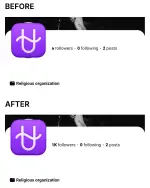
BBeatriz9 replied to the thread 🏷️ For Sale HIGH QUALITY | Social Media Boosting Hub (TIKTOK, FACEBOOK, & INSTAGRAM) NOT BOT.1k HIGH QUALITY FOLLOWERS, done. Mins. process only. (NOT BOT)
-
-
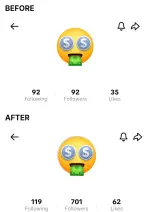
BBeatriz9 replied to the thread 🏷️ For Sale TIKTOK FOLLOWERS BOOSTING HUB | FOR ONLY 45PESOS.600 HIGH QUALITY followers, done. Tysm po 💕. Added some extra ffs. (NOT BOT)
-
-
BBeatriz9 replied to the thread 🏷️ For Sale 10,000 FACEBOOK FOLLOWERS | HIGH QUALITY | PRICE DROP PROMO | NOT BOT.Still available po. Open
-
BBeatriz9 posted the thread 💕 Dating/Love Your Partner Can Also Accidentally Pull You Away From the Person You Want to Become in 🤝 Social & Personal.The Michelangelo phenomenon has an opposite side. Partners don't always support each other's ideal selves. A partner can reinforce characteristics that someone doesn't particularly want, discourage goals, or treat them according to an outdated...
-
BBeatriz9 posted the thread 💕 Dating/Love Helping Your Partner Reach Their Goals Can Change the Relationship in 🤝 Social & Personal.A supportive romantic partner doesn't only comfort you when something goes wrong. Partners can also influence who each other becomes. Relationship researchers use the term Michelangelo phenomenon for a process in which a partner supports...
-
-
BBeatriz9 posted the thread 💕 Dating/Love Couples Can Remember Their Relationship History Differently in 🤝 Social & Personal.Two people can live through the same relationship and later remember it differently. Memory isn't a perfect video recording. Current feelings can influence how people reconstruct previous relationship experiences. When someone currently feels...
-
BBeatriz9 posted the thread 💕 Dating/Love Attraction Can Increase After Someone Finds Out You Like Them in 🤝 Social & Personal.Knowing someone is interested in you can change how you perceive them. This is related to reciprocity of liking. People generally tend to like others more when they believe those people like them. Being desired can reduce uncertainty and make...
-
-
BBeatriz9 replied to the thread 🏷️ For Sale HIGH QUALITY | Social Media Boosting Hub (TIKTOK, FACEBOOK, & INSTAGRAM) NOT BOT.Yes po. Nag message po ako. Dm
-
BDuplicate. . . . .. .
-
BBeatriz9 posted the thread 💕 Dating/Love We Sometimes Remember Our Partner as More Similar to Us Than They Actually Are in 🤝 Social & Personal.Couples don't always perceive each other with perfect accuracy. Research on romantic relationships has distinguished actual similarity from perceived similarity. People can believe their partner shares more of their attitudes, values, or...
-
-
BBeatriz9 replied to the thread 🏷️ For Sale TIKTOK FOLLOWERS BOOSTING HUB | FOR ONLY 45PESOS.Check messages po po. Nag dm po ako
-
BBeatriz9 replied to the thread 🏷️ For Sale TIKTOK FOLLOWERS BOOSTING HUB | FOR ONLY 45PESOS.Open and available po
-
BBeatriz9 replied to the thread 🏷️ For Sale HIGH QUALITY | Social Media Boosting Hub (TIKTOK, FACEBOOK, & INSTAGRAM) NOT BOT.Open and available po