PH
PHGentleman007
Elite
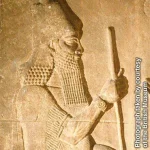
Assyrian king Sargon II, mentioned at You do not have permission to view the full content of this post. Log in or register now.An article published in Biblical Archaeology Review stated that the existence of “at least 50” individuals mentioned in the Hebrew Scriptures can now be confirmed by the findings of archaeologists. Among these are 14 kings of Judah and Israel, including such well-known figures as David and Hezekiah, and the lesser-known Menahem and Pekah. The list also includes 5 Pharaohs and 19 kings of Assyria, Babylonia, Moab, Persia, and Syria. Monarchs are not the only ones to appear in both the Biblical and archaeological record, however. So do lesser figures, such as high priests, a scribe, and other officials.
For all those individuals, there is “a substantial amount of scholarly agreement” for a firm identification, states the article. Of course, the Christian Greek Scriptures refer to many other historical figures, and there is archaeological evidence to support a number of them as well—such as Herod, Pontius Pilate, Tiberius, Caiaphas, and Sergius Paulus.
When did lions disappear from Bible lands?
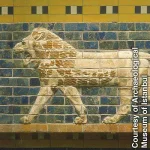
A glazed-brick frieze from ancient Babylon
Although there are no lions in the wild in the Holy Land today, some 150 Scriptural references to this animal show that it was familiar to Bible writers. Most of those references are figurative; yet, some record actual encounters with lions. Samson, David, and Benaiah, for example, are credited with killing lions. (You do not have permission to view the full content of this post. Log in or register now.You do not have permission to view the full content of this post. Log in or register now.You do not have permission to view the full content of this post. Log in or register now.) Other individuals were slain by lions.—You do not have permission to view the full content of this post. Log in or register now.You do not have permission to view the full content of this post. Log in or register now..
In ancient times, the Asiatic lion (Panthera leo persica) ranged from Asia Minor and Greece to Palestine, Syria, Mesopotamia, and northwest India. Feared and respected, the animal often appeared in ancient Near Eastern art. Outstanding glazed-brick depictions of lions decorated ancient Babylon’s Processional Way.
Crusaders reportedly hunted lions in Palestine toward the end of the 12th century C.E. Lions seem to have become extinct in the area shortly after 1300. However, their presence was still reported in Mesopotamia and Syria until the 19th century and in Iran and Iraq as late as the first part of the 20th century.