PH
PH-
Welcome to PHCorner Forums! Sign up for free to unlock full access and exclusive privileges, including:
- Asking questions about computer and mobile issues
- Discovering internet tips for your mobile network and computer
Beatriz9's latest activity
-
BBeatriz9 posted the thread 🎁 Giveaways TIDAL INDIVIDUAL w/ DJ EXTENSION | 1 MONTH #71 in 🆓 Freemium Access.Hidden content Please feedback na lang po :HyperNekoCrazy: No feedback = auto bawi
-
-
BBeatriz9 replied to the thread 👤 Account SCRIBD 1 MONTH | FOR STUDENTS #4.Hidden content
-
BBeatriz9 replied to the thread 👤 Account SCRIBD 1 MONTH | FOR STUDENTS #4.Sabit lang po kung need niyo po hehe
-
BHidden content :AYAYASip: :peepoRain:
-
-
BBeatriz9 posted the thread 🐾 Pets · Plants Cats Can Rotate Their Ears Independently in 🚲 Lifestyle & Recreation.Cats have numerous muscles controlling their external ears, allowing them to turn and reposition each ear with remarkable precision. The ears can move toward different sounds and help cats determine where noises originate without requiring the...
-
-
BBeatriz9 posted the thread 🍔 Food · Travel Beach Sand Can Come From Very Different Sources in 🚲 Lifestyle & Recreation.Not every beach is made from the same type of material. Sand can originate from weathered rocks, volcanic material, shells, coral fragments, and other biological material. Ocean waves and currents continually sort, transport, and reshape these...
-
-
BBeatriz9 posted the thread 🐾 Pets · Plants Some Plants Close Their Leaves at Night in 🚲 Lifestyle & Recreation.Certain plants noticeably change the position of their leaves according to the day-night cycle. This movement is called nyctinasty. Leaves may fold together, droop, or rise as light conditions change, with internal biological rhythms also...
-
-
BBeatriz9 replied to the thread 🏷️ For Sale TIKTOK FOLLOWERS BOOSTING HUB | FOR ONLY 45PESOS.500 HIGH QUALITY FOLLOWERS, done. Tysm po 💕. (NOT BOT)
-
-
BBeatriz9 replied to the thread 🏷️ For Sale 5,000 FACEBOOK FOLLOWERS with FREE 5,000 FB VIEWS [LIMITED TIME PROMO].Still available po. Open
-
BBeatriz9 replied to the thread 🏷️ For Sale PRICE DROP!! MLBB DISCOUNTED DIAMONDS [and other game credits].Still available po. Open
-
BBeatriz9 posted the thread 🐾 Pets · Plants Dogs Don't Cool Their Bodies the Same Way Humans Do in 🚲 Lifestyle & Recreation.Humans rely heavily on sweating across the skin, while dogs primarily regulate excess body heat through panting. Evaporation from moist surfaces in the respiratory system helps release heat. Dogs do have sweat glands associated with their paw...
-
-
BBeatriz9 posted the thread 💡 Trivia Curtains Can Affect More Than Privacy in 🚲 Lifestyle & Recreation.Window coverings influence how sunlight and heat enter and leave a room. Closing suitable curtains or other window treatments during periods of strong sunlight can reduce unwanted solar heat entering through windows. During colder conditions...
-
-
BHidden content Please feedback. Thank you. 💕
-
-
BHidden content Please feedback na lang po :HyperNekoCrazy: No feedback = auto bawi
-
-
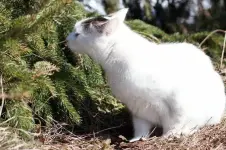
BBeatriz9 posted the thread 🐾 Pets · Plants Cats Have a Specialized Extra Scent-Detection System in 🚲 Lifestyle & Recreation.Cats don't rely only on their noses to investigate smells. They also have a vomeronasal organ, sometimes called Jacobson's organ, that helps detect certain chemical signals. A cat investigating an interesting scent may briefly hold its mouth...
-
-
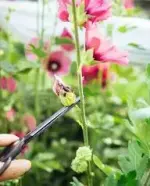
BBeatriz9 posted the thread 🐾 Pets · Plants Removing Old Flowers Can Encourage More Blooms in 🚲 Lifestyle & Recreation.For many flowering plants, removing faded flowers—a gardening practice called deadheading—can redirect resources away from seed production. In species that respond well to the technique, this can encourage the plant to continue producing flowers...
-
-
BBeatriz9 replied to the thread 🏷️ For Sale TIKTOK FOLLOWERS BOOSTING HUB | FOR ONLY 45PESOS.Nag message po ako. Pm
-
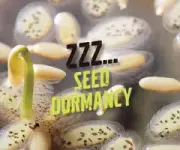
BBeatriz9 posted the thread 🐾 Pets · Plants Some Seeds Can Remain Dormant for Years in 🚲 Lifestyle & Recreation.A seed doesn't always begin growing as soon as water becomes available. Many species have dormancy mechanisms that delay germination until environmental conditions become suitable. Depending on the plant, germination may require particular...
-
-
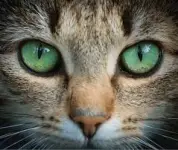
BBeatriz9 posted the thread 🐾 Pets · Plants Cats Can Communicate With Their Eyes in 🚲 Lifestyle & Recreation.A cat's eyes can provide social signals in addition to vision. Research has found that slow narrowing and blinking of the eyes can play a role in positive cat-human interactions. Cats were observed responding differently when humans performed...
-
-
BBeatriz9 replied to the thread 🍔 Food · Travel The Trip Home Can Feel Shorter Than the Trip Going There.Salamat sa support sir haha