 PH
PH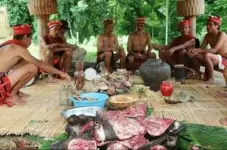
Among traditional Kalinga communities, meat sharing is governed by social relationships rather than simply by whoever prepared the food.
The NCCA inventory records a specific Kalinga Meat-Sharing System, explaining that the amount or manner of sharing can depend on social distance and kinship. Food offered to visitors also carries a strong social meaning.
The inventory describes accepting food as important because refusing an offered meal could traditionally be interpreted as a declaration of conflict. In this system, eating together isn't merely about hunger—it can communicate trust and peaceful relations.
A simple meal can therefore function as a powerful social bond.
© NCCA — TALAPAMANA