 PH
PH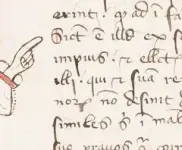
A medieval manuscript can contain more than the words written by its original scribe.
Readers sometimes added marginal notes, corrections, translations, explanations, and comments.
These annotations can reveal how later people understood or used the text.
A single page can consequently preserve traces of several different readers separated by years or even centuries.
The manuscript becomes a record of interaction rather than a frozen object.
Researchers can study these marks to learn about historical reading habits and intellectual life.
A medieval book can therefore tell two stories at once: the story written in the main text and the story created by its readers in the margins.
© British Library