 PH
PH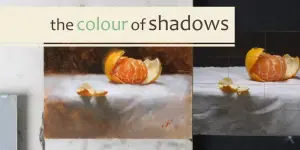
Artists can create convincing shadows using colors rather than simply adding black.
In natural light, shadows can contain reflected colors from nearby surfaces and changes in the color of the light itself.
Painters can therefore use blues, purples, greens, reds, or other hues to construct convincing dark areas.
Using pure black can sometimes make a painting look flatter because it removes information about reflected light.
Color theory and observation allow artists to suggest darkness while retaining color relationships.
This is particularly noticeable in paintings where shadows remain visibly colorful.
Darkness in an artwork doesn't necessarily mean removing color—it can mean changing the color's intensity and relationship to surrounding hues.
© National Gallery of Art