PH
PHDiego Mendoza
Elite
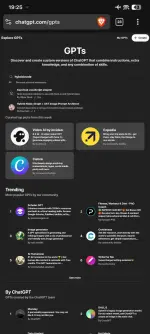
I built a custom GPT that helps turn image ideas into more controlled, generation-ready prompts.
What it does
Instead of only writing a normal prompt, it breaks the idea into a visual structure: image type, subject, composition, style, lighting, aspect ratio, negative prompt, and a compact final brief.
It is useful for:
- cinematic or photorealistic scenes
- posters and symbolic concepts
- character design
- infographics and layouts
- product visuals
- anime or illustration prompts
- transforming reference images
The main goal is to avoid vague prompt language and make each detail actually affect the final image. It helps clarify what the image should show, how it should be composed, and what the model should avoid.
How to use it
You can give it a simple idea like:
“A futuristic monk meditating inside a ruined cyberpunk cathedral”
Or a more specific request like:
“Create a vertical poster of a lone astronaut standing in a desert, looking at a giant cracked moon, with a minimalist sci-fi style and no text.”
You can also use it with uploaded reference images when you want to preserve visible traits, composition, identity, clothing, pose, or style while transforming the image.
The best way to use it is to describe:
- the subject
- the style or mood
- the setting
- the purpose of the image
- any text that should appear
- whether realism, symbolism, or layout clarity matters most
The GPT will then output a prompt package after giving your ideas. I put sections 2-5 inside a code block for easy copy/paste to ChätGPT for image generation. Copy those sections to generate your image.
Why Use It
A lot of image prompts become too vague, too decorative, or too overloaded with buzzwords. This GPT is designed to make every part of the prompt serve the final image. It keeps creative flexibility, but anchors the concept with concrete visual details.
The main idea is to combine the readability of a normal image prompt with the structure of a semantic graph and AST, so the output is easier to refine, reuse, and adapt across different image models.
Takeaway
This GPT is for people who want more control over image generation without manually writing huge production prompts. It is useful when you want the image model to understand not just what to draw, but how the subject, composition, lighting, symbolism, typography, and style should work together.
Feedback is welcome — especially from people who test it on complex concepts, posters, character designs, or reference-image transformations.
Try and test it here:
GPT censored link (change ä to a)
You do not have permission to view the full content of this post. Log in or register now.
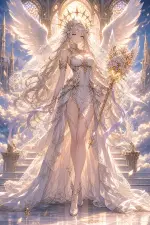
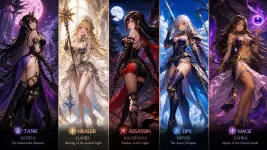
Example:
Poster, Retrofuturism, lone astronaut, 50s space race, halftones, colour blocking, space, rocket, moon, advertising, bold tall text

2 sê×ÿ anime goddesses, legs showing, lace stockings, long hair, mischievous pose, video game characters, elaborate dresses, long capes, laces, low cut front, perky
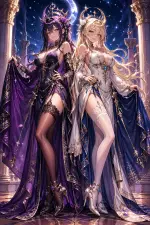
Your feedback is highly appreciated

Support my other posts 
- Google just KILLED Photoshop!
- 50 Brilliant Ways to Supercharge Creativity with Nano Banana
- Nano Banana Prompt Gallery
- AI Fashion Studio: AI Virtual Try-On Powered By Nano Banana
- Free Image Upscaler up to 16K Quality!
- Travel the World with Nano Banana
- AI Profile Picture Generator
- AI Snapshot Generator
- ᑕᕼᗩTGᑭT Prompt Packs
- Perplexity at Work
- DumPDF: PDF Editor
- LuxPDF: Open Source PDF Tools
- Gemini Edu ID Card Generator
- CanVâ Education Invite Link 2
- Create UNCENS0RED/NSFW AI Characters
- Student ID Card Prompt
- Nano Banana Pro Image And Prompt Gallery
- Create 4K Nano Banana Pro Images
- Create Pro-Grade Infographics
- IHatePDF: Toolkit For Everyday Documents
- Stunning Nano Banana Prompts Gallery
- Lyria 3: Google's AI Music Studio
- Meet Gemini 3.1 Pro
- Create City Map Posters
- Seedream 5.0 Lite: A Smart, Web-Aware AI Image Model
- Nano Banana 2: ProLevel Image Generation at Flash Speed
- GPT‑5.4: OpenAI’s New Flagship GPT‑5‑Series Model
- Inside MAI‑Image‑2
- Meet Luma Uni-1
- Microsoft's New MAI Stack
- VEO 3.1 Free on Google Vids
- StreameX: Free Movies, TV Shows and Anime
- Notebooks in Gemini
- Introducing Meta's Muse Spark
- 10 Google Gemini Photography Gems
- 12K+ Nano Banana Prompts
- Introducing Google Flow Music
- SplitAnImage Image Splitting Tool
- Introducing ChätGPT Image 2
- 1000+ GPT Image 2 Prompts
- Introducing GPT-5.5
- MeiGen Prompts Gallery
- Stream Movies Using The PlayIMDB Trick