 PH
PHXenon Caelum
Honorary Poster
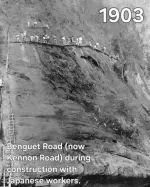
In the early 1900s, a significant influx of Japanese farmers and laborers arrived in the Philippines and the United States. They were recruited by Filipinos and Americans to meet the growing demands of the agricultural and construction sectors. These hardworking laborers played a crucial role in developing infrastructure, most notably contributing to the construction of Benguet Road, which improved access to Baguio.
Beyond the challenging task of carving roads through rugged mountains, these Japanese workers made diverse contributions. They operated sawmills that processed timber, skillfully landscaped gardens that enhanced the surroundings, constructed residences for families, tilled fertile agricultural lands to boost local food production, and opened various retail establishments that enriched the community. Their efforts also included establishing a Japanese school, which became a cornerstone of education for the increasing population, significantly contributing to Baguio's economic boom.
As time progressed, many of these laborers migrated to the Davao region, where they became instrumental in cultivating abaca hemp, a valuable crop vital to the local economy. They established plantations, developed agricultural expertise, and some even acquired small parcels of land, becoming integral to the community.
Furthermore, the cultural exchange was profound, as many of these Japanese workers intermarried with local women from the diverse populations of the northern highlands. This intermingling created a rich tapestry of heritage and strengthened ties between the communities.