 PH
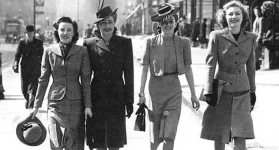
PHThe Silent Generation (born roughly 1928–1945) got their name because they grew up during some of the most challenging and quiet times in modern history. They were children during the Great Depression and World War II, and many came of age during the conservative, cautious 1950s. They weren’t outspoken or rebellious—they were focused on hard work, family, and stability.
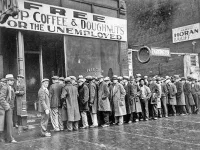
This generation valued discipline, loyalty, and humility. They lived through tough times and didn’t make a fuss about it. Instead of protesting or rebelling, they focused on keeping their heads down and creating secure lives.
They were the kind of people who believed in saving money, working hard, and staying out of trouble.
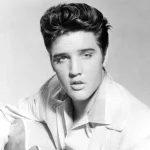
Elvis Presley
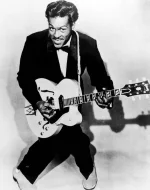
Chuck Berry
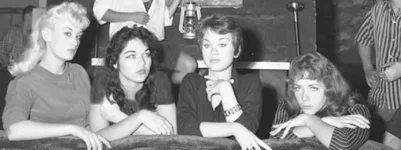
For many, this was the start of modern pop culture, with TV influencing everything from fashion to music to how people spent their free time!
What Were They Like?
This generation valued discipline, loyalty, and humility. They lived through tough times and didn’t make a fuss about it. Instead of protesting or rebelling, they focused on keeping their heads down and creating secure lives.
They were the kind of people who believed in saving money, working hard, and staying out of trouble.
How They Lived
- During the Depression and WWII:
- As kids, many experienced extreme poverty and saw their parents struggle to make ends meet.
- They were taught to ration food, save resources, and make sacrifices.
- Post-War Era:
- By the 1950s, they embraced the idea of the "American Dream" with suburban homes, steady jobs, and quiet lives.
Their Music
The Silent Generation loved Big Band and Swing, but as they got older, they also helped popularize early rock and roll.- Favorites included Frank Sinatra and Nat King Cole for smooth, romantic songs.
- Early Rock Stars: Artists like Elvis Presley and Chuck Berry came into the spotlight as this generation moved into young adulthood.
Elvis Presley
Chuck Berry
What They Created
- Hollywood and Television:
- This generation contributed to the rise of classic TV shows like I Love Lucy and The Twilight Zone.
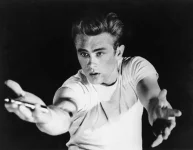
- Movies starring Audrey Hepburn and James Dean captured their evolving tastes.
- Audrey Hepburn

- James Dean
- Art and Literature:
- Writers like J.D. Salinger (The Catcher in the Rye) explored themes of alienation and conformity.
Their Struggles
- Living in Uncertainty:
- They grew up during the Depression and WWII and then faced the Cold War, with constant fears of nuclear war.
- Conformity Pressure:
- The 1950s was all about fitting in—people who challenged societal norms often faced backlash.
- Civil Rights Movement:
- While not as vocal as later generations, they quietly supported early efforts for equality.
Technology
The Silent Generation (1928–1945) lived during a time when technology was evolving rapidly, but it was still relatively simple compared to today. They saw incredible advancements throughout their lives, from basic household gadgets to the early days of computers.Key Technologies of Their Era
1. Communication
- Telephones: Rotary dial telephones became common, connecting people over long distances.
- Radio: Families gathered around the radio for news, music, and entertainment. Shows like The Lone Ranger and War of the Worlds were hugely popular.
- Television: The 1940s saw the rise of TV as a household staple, though early sets were black-and-white and very expensive.
2. Transportation
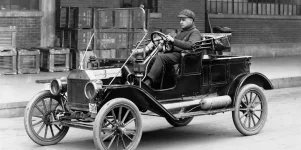
- Automobiles: Cars like the Ford Model T became affordable for middle-class families, thanks to assembly line production.
- Airplanes: Commercial air travel started becoming more accessible in the 1930s and 1940s, though it was still a luxury.
- Trains: Trains were the dominant mode of long-distance travel before cars and planes took over.
3. Home Appliances
- Refrigerators: Replacing iceboxes, these became essential for preserving food.
- Washing Machines: Early electric washing machines made life easier, especially for women in the household.
- Radios and Record Players: These were the main sources of home entertainment.
4. Wartime Technology (WWII Era)
- Radar: Used for detecting enemy aircraft, helping Allied forces in WWII.
- Penicillin: Mass production of this antibiotic revolutionized medicine during and after the war.
- Weapons: Innovations like the atomic bomb and advanced airplanes (e.g., B-29 bombers) changed warfare forever.

Post-War Innovations They Witnessed
- Computers:
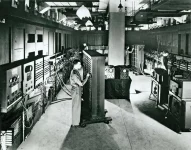
- The first computers, like the ENIAC (1945), were massive machines mainly used by governments and scientists.
- They paved the way for the modern tech world we know today.
- The first computers, like the ENIAC (1945), were massive machines mainly used by governments and scientists.
- Space Exploration:
- By the end of the Silent Generation’s formative years, the space race was heating up, with the Soviet Union launching Sputnik (1957), the first artificial satellite.
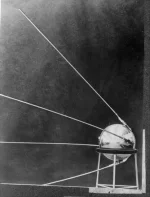
- By the end of the Silent Generation’s formative years, the space race was heating up, with the Soviet Union launching Sputnik (1957), the first artificial satellite.
- Electronics:
- Early televisions became more advanced and widely available.
- Transistors were invented, leading to smaller, more portable radios and other devices.
Impact on Their Lives
- Technology during this time was focused on making life easier and more connected.
- The Silent Generation grew up in a world where things like refrigerators, washing machines, and radios were revolutionary.
- They witnessed the beginnings of major shifts in communication, transportation, and medicine.
Why They Matter
- The Bridge Generation: They connected the old, conservative world of their parents with the more rebellious, modern ideas of the Baby Boomers.
- Laid the Foundation: They worked hard to build a stable society after the chaos of WWII.
- Silent Strength: While they weren’t loud or flashy, they proved that quiet determination could lead to big results.
Life in Their Prime
By the time they were adults, the Silent Generation became the backbone of workplaces and communities. Many of them served as the parents of Baby Boomers, teaching values like responsibility and respect.Why “Silent”?
The nickname comes from the idea that this generation didn’t speak out much. They didn’t lead protests or start revolutions but instead focused on keeping peace and getting things done quietly.Fun Fact
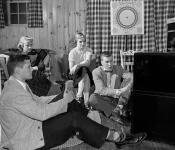
When TVs started becoming more common in the 1940s, they transformed entertainment and family life. Kids from this generation were some of the first to enjoy shows like Howdy Doody and The Lone Ranger. Families would gather around a tiny black-and-white screen, often the centerpiece of the living room, turning TV time into a special ritual.For many, this was the start of modern pop culture, with TV influencing everything from fashion to music to how people spent their free time!