 PH
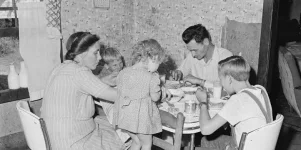
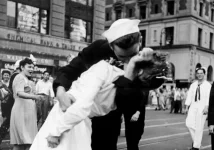
PHThe Greatest Generation (1901 - 1927). They were the ones who grew up during the Great Depression (1929) and fought in World War II (1939–1945), two of the most challenging times in history. They’re called “the greatest” because they faced incredible hardship but showed remarkable resilience, courage, and teamwork to get through it all.
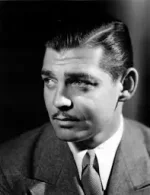
Clark Gable
Katharine Hepburn

They’re called the “greatest” because, despite all the hardship, they rose to the challenge, showing the world what true courage and unity can accomplish. They left behind a legacy of strength, community, and a commitment to making the world a better place.
Also, jazz and swing music were so popular that soldiers took portable record players and favorite vinyl records to the front lines. Music became a way to stay connected to home and boost morale, even in the middle of battlefields!
What Were They Like?
- Hard Workers: They were known for their strong work ethic. Most of them didn’t expect things to be handed to them—they believed in hard work, responsibility, and sacrifice.
- Patriotic: When World War II broke out, many of them enlisted to serve their country, showing deep patriotism. They believed in fighting for a greater cause, whether it was for freedom, family, or their country’s values.
- Resourceful: They lived through the Great Depression, so they learned how to make do with very little. They saved, reused, and were very resourceful.
How They Lived
- The Great Depression: Many families faced poverty and hunger. People had to get creative to survive. Imagine no jobs, no food, and no security. But through it all, they stuck together and helped each other out.
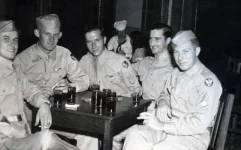
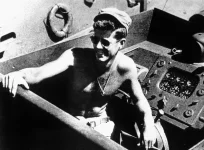
- World War II: When the war started, millions of men and women joined the military, and even those who stayed home contributed to the war effort. They worked in factories, grew victory gardens, and supported soldiers on the front lines.
Culture and Entertainment
- Music:
- Big Band Swing dominated the 1930s and 1940s. Artists like Glenn Miller and Benny Goodman got people dancing.
- Songs like We'll Meet Again by Vera Lynn kept spirits up during the war.
- Movies:
- Hollywood became huge! Classics like Casablanca and Gone with the Wind were favorites.
- Actors like Humphrey Bogart and Ingrid Bergman were icons.
What They Created
- Hollywood Golden Age: During the 1930s and 1940s, movies became a massive source of entertainment. Stars like Clark Gable and Katharine Hepburn dominated the silver screen.
Clark Gable
Katharine Hepburn
- Patriotic Art: Posters, songs, and speeches inspired people to support the war and stay hopeful.
Their Struggles
- Poverty: Growing up during the Great Depression meant scraping by with whatever they could.
- War Trauma: Fighting in WWII or losing loved ones left deep scars.
- Rebuilding After War: Once the war ended, they had to rebuild their lives—and the world—from scratch.
Their Contributions
- World War II Heroes: The Greatest Generation fought in one of the largest wars in history, helping to defeat Nazi Germany, Imperial Japan, and Fascist Italy. They made huge sacrifices, and their bravery became legendary.
- Post-War Prosperity: After the war, they helped rebuild the world. The U.S. and other countries entered a period of economic growth and expansion. They built homes, raised families, and helped shape the modern world.
- Civil Rights and Women’s Rights: The war also changed societal norms. Women had taken over many jobs during the war, and when the men came home, things started to change. Over time, this helped fuel movements for women’s rights and civil rights in the 1950s and 1960s.
Life After the War
When WWII ended, the Greatest Generation didn’t sit back and relax. They returned home and started:- Building families (leading to the Baby Boom).
- Expanding industries and creating the modern middle class.
- Leading the fight for civil rights and fairness.
Technology
The Greatest Generation saw groundbreaking technological advancements, largely driven by necessity during the Great Depression, World War II, and the post-war rebuilding era. Here’s a list of significant technologies and innovations they helped develop or experience:1. Communication
- Radio: Became the main source of news and entertainment. Families would gather to listen to music, news, and shows like The Shadow.
- Television (1930s–1940s): TV was invented earlier but became more popular after WWII. By the late 1940s, it started entering homes.
- Telegraphy and Early Computers: Military communication during WWII led to innovations in cryptography, like the Enigma machine (and its decryption by Alan Turing).
2. Transportation
- Automobiles: Cars became more affordable during the 1930s, with companies like Ford leading the charge.
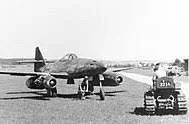
- Aviation:WWII advanced airplane technology, with innovations like:
- Fighter jets (e.g., the German Messerschmitt Me 262).
- Radar systems to track planes.
- Fighter jets (e.g., the German Messerschmitt Me 262).
- Ships and Submarines: Development of faster, s†éálthier vessels like the U-boats and aircraft carriers during the war.
3. Warfare Technology
- Tanks and Weapons: WWII saw the rise of more powerful tanks, like the American Sherman Tank and German Panzer Tank.
- The Atomic Bomb: The Manhattan Project led to the creation of the first nuclear weapons, changing warfare and world politics forever.
- Penicillin: Mass production of this antibiotic saved countless soldiers' lives.
4. Home and Consumer Technology
- Household Appliances:
- Refrigerators, washing machines, and vacuum cleaners became more common in middle-class homes after WWII.
- These made life easier, particularly for women, and contributed to the post-war consumer boom.
- Plastic: During WWII, plastic was developed for military use, and after the war, it became a household staple.
5. Computing
- Early Computers:
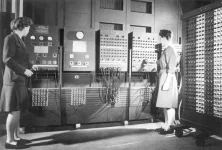
- The ENIAC: One of the first general-purpose computers, built for military calculations.
- Advances in computing laid the foundation for modern technology.
6. Energy and Infrastructure
- Electricity Expansion: Rural areas were electrified, bringing power to more homes and businesses.
- Highways: Construction of large road networks, like the early plans for what would become the Interstate Highway System in the U.S.
7. Space Exploration Beginnings
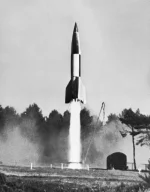
- Rocketry: German engineer Wernher von Braun developed the V-2 rocket during WWII. This technology laid the groundwork for the space race of the 1950s and 1960s.
8. Medicine and Health
- Vaccines: Vaccines for diseases like influenza and diphtheria became widespread.
- Blood Transfusion Advancements: WWII spurred developments in blood storage and transfusion techniques.
9. Entertainment Technology
- Film Innovations: Technicolor became widely used, revolutionizing movies with color.
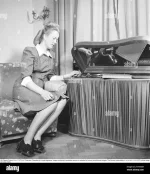
- Vinyl Records (1940s): Allowed people to listen to music at home with better sound quality.
Why They Matter
The Greatest Generation is celebrated for their sacrifice, loyalty, and determination. They lived through tough times, but instead of giving up, they fought for a better future. They built the foundation for the modern world, leading the way for the prosperity that followed.They’re called the “greatest” because, despite all the hardship, they rose to the challenge, showing the world what true courage and unity can accomplish. They left behind a legacy of strength, community, and a commitment to making the world a better place.
Fun Fact
During World War II, some propaganda posters included messages like "Loose Lips Sink Ships" to remind people not to accidentally share sensitive information. It was a clever way to ensure national security while making the public feel like they were part of the war effort—even if they were just keeping secrets!Also, jazz and swing music were so popular that soldiers took portable record players and favorite vinyl records to the front lines. Music became a way to stay connected to home and boost morale, even in the middle of battlefields!