 PH
PHThe Lost Generation( 1883–1900) grew up in a wild and crazy time. They lived through World War I, one of the deadliest conflicts in history, and came out of it feeling disillusioned, confused, and kind of broken. They didn’t know where the world was headed and started questioning everything—traditions, authority, and even the meaning of life.
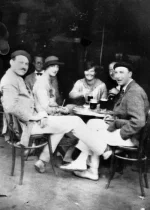
Imagine a group of people tired of the old rules. They didn’t trust the ideals of their parents because WWI showed them how easily everything could fall apart. So, they rebelled by partying, traveling, and living for the moment. Many of them moved to exciting places like Paris, where they drank, danced, and created incredible art and stories.
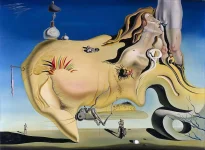
The Great Màsturbator (1929) is a You do not have permission to view the full content of this post. Log in or register now. by You do not have permission to view the full content of this post. Log in or register now. executed during the You do not have permission to view the full content of this post. Log in or register now. epoch, and is currently displayed at You do not have permission to view the full content of this post. Log in or register now., You do not have permission to view the full content of this post. Log in or register now..
They were the original rebels—living fast, creating boldly, and asking the big questions about life. Would you want to be part of their wild world?
1. Mass Media
- Radio: The 1920s saw the rapid spread of radio broadcasting, revolutionizing communication and entertainment by making news, music, and stories more accessible.
- Movies: The introduction of "talkies" (films with synchronized sound) in 1927 with The Jazz Singer transformed cinema into a dominant cultural force.
2. Transportation
- Automobiles: Cars like the Ford Model T became widely affordable, reshaping cities, travel, and daily life.
- Aviation: Charles Lindbergh's 1927 solo transatlantic flight symbolized advancements in aviation and inspired confidence in air travel.
3. Household Appliances
- Electricity Expansion: By the 1920s, electricity was becoming more widespread, leading to the adoption of electric appliances like refrigerators, washing machines, and vacuum cleaners.
- Telephones: Telephone technology improved, making communication faster and more reliable.
4. Industrial and Military Technology
- Assembly Line Production: Perfected by Henry Ford, this revolutionized manufacturing and made consumer goods more affordable.
- Military Innovations: After World War I, advancements in tanks, airplanes, and chemical warfare shaped future conflicts and global security strategies.
5. Medical Advancements
- Penicillin Discovery: Though Alexander Fleming discovered penicillin in 1928, its full application came later; it marked a turning point in medical science.
- Insulin Therapy: First used in the 1920s, insulin saved countless lives of diabetic patients.
While the Lost Generation didn’t directly contribute to these technologies, their works often reflected the societal shifts brought about by these advancements, portraying the modern world as both exciting and alienating.
What Were They Like?
Imagine a group of people tired of the old rules. They didn’t trust the ideals of their parents because WWI showed them how easily everything could fall apart. So, they rebelled by partying, traveling, and living for the moment. Many of them moved to exciting places like Paris, where they drank, danced, and created incredible art and stories.
How They Lived
- The Roaring Twenties: After the war, the 1920s became all about fun and excess. People were dancing the Charleston, drinking in hidden speakeasies (because ******* was îllégâl in the U.S.), and embracing jazz music.
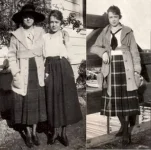
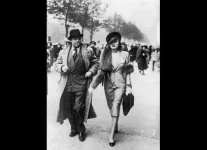
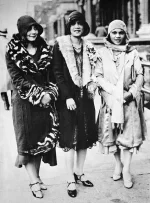
- Freedom and Fashion: Women cut their hair short, wore shorter dresses, and smoked *********s in public—shocking for the time! Men wore snazzy suits and partied just as hard.
Their Music
The soundtrack of their lives? Jazz. This new style of music was rebellious, energetic, and fun. Artists like Louis Armstrong and Duke Ellington made it the music of the decade. People danced all night to songs that felt fresh and daring.What They Created
- Stories and Art: They wrote about their confusion and struggles. Writers like Ernest Hemingway and F. Scott Fitzgerald became legends. Fitzgerald’s The Great Gatsby perfectly captured their glamorous but empty lifestyle.
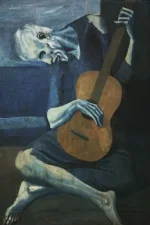
- Wild Art: Painters like Picasso and Salvador Dalí threw away old rules, creating bold, weird, and sometimes unsettling works.
The Great Màsturbator (1929) is a You do not have permission to view the full content of this post. Log in or register now. by You do not have permission to view the full content of this post. Log in or register now. executed during the You do not have permission to view the full content of this post. Log in or register now. epoch, and is currently displayed at You do not have permission to view the full content of this post. Log in or register now., You do not have permission to view the full content of this post. Log in or register now..
Their Struggles
Life wasn’t all parties and jazz. These folks carried heavy emotional scars from the war. Many felt lost (hence the name), drifting without purpose. When the Great Depression hit in 1929, it crushed the fun and prosperity of the 1920s, leaving many of them struggling again.Why They Matter
The Lost Generation changed everything. They pushed back against old traditions, experimented with art and music, and made people think about life in new ways. Their stories, music, and art still inspire us today.They were the original rebels—living fast, creating boldly, and asking the big questions about life. Would you want to be part of their wild world?
Technology
The Lost Generation itself wasn't directly involved in technological advancements, as they were more focused on cultural, artistic, and literary innovations. However, their era (post-World War I, primarily the 1920s and 1930s) saw several technological breakthroughs that significantly influenced society, including their own lives and works. Here are some technological advancements of their time:1. Mass Media
- Radio: The 1920s saw the rapid spread of radio broadcasting, revolutionizing communication and entertainment by making news, music, and stories more accessible.
- Movies: The introduction of "talkies" (films with synchronized sound) in 1927 with The Jazz Singer transformed cinema into a dominant cultural force.
2. Transportation
- Automobiles: Cars like the Ford Model T became widely affordable, reshaping cities, travel, and daily life.
- Aviation: Charles Lindbergh's 1927 solo transatlantic flight symbolized advancements in aviation and inspired confidence in air travel.
3. Household Appliances
- Electricity Expansion: By the 1920s, electricity was becoming more widespread, leading to the adoption of electric appliances like refrigerators, washing machines, and vacuum cleaners.
- Telephones: Telephone technology improved, making communication faster and more reliable.
4. Industrial and Military Technology
- Assembly Line Production: Perfected by Henry Ford, this revolutionized manufacturing and made consumer goods more affordable.
- Military Innovations: After World War I, advancements in tanks, airplanes, and chemical warfare shaped future conflicts and global security strategies.
5. Medical Advancements
- Penicillin Discovery: Though Alexander Fleming discovered penicillin in 1928, its full application came later; it marked a turning point in medical science.
- Insulin Therapy: First used in the 1920s, insulin saved countless lives of diabetic patients.
While the Lost Generation didn’t directly contribute to these technologies, their works often reflected the societal shifts brought about by these advancements, portraying the modern world as both exciting and alienating.

