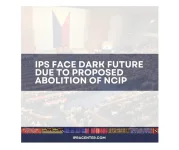
IPS Face Dark Future Due To Proposed "ABOLITION OF NCIP"

Reports have surfaced that the House leadership is considering abolishing the NCIP and amending the Indigenous Peoples' Rights Act (IPRA). This development not only threatens the future of indigenous peoples' rights in the Philippines but also raises serious concerns about the motivations behind this drastic move.
1000461958.webp

You do not have permission to view the full content of this post. Log in or register now.
 
from the page:

"But these radical moves by Congress are merely a masquerade, hiding a more nefarious intention: to dismantle indigenous ancestral domains in favor of the business interests of local politicians. It is no coincidence that industries poised to benefit from this dismantling include the highly lucrative mining and hydroelectric sectors, both of which have a long history of encroaching on indigenous lands. By weakening or abolishing the NCIP, Congress effectively opens the door for these industries — often backed by powerful political families — to exploit ancestral domains without opposition or regulatory oversight."
 
Hindi ko area ito pero marami akong IPs communities na nakasama sa tagal kong naglalakbay kung saan-saan he he. Personally I agree with your statement na sinasabi parati simula pa noong 2020(?) kaya hindi ma-ratify kung i-abolish o i-merge yang NCIP sa government agencies under our IPRA law. Since under yan sa DSWD with its own budget (na +1billion pesos?) and purpose, mas advantage kung i-merge yan as a separate agency (pa rin) under DILG para hindi mawala yung "specific" support sa IPs. Kung ang rason ay pagtitipid, consolidating and streamlining agencies on the "hopes?" of effective governance is not acceptable sa nakararami. Malawak kasi ang scope ng IPs as a separate type of community na sakop rin ng ibang mga ahensya ng DILG, DAR, DENR, DSWD, atbp. Though "protected" sila ng "IPRA", mahirap pa rin asikasuhin yung problema nila from our "streamlined" agencies, dahil sa "special laws" covered sila vs the "common public" we folks are following. Madaling sabihin, mahirap gawin! They deserve a special treatment kung baga.
Kung modernong pamamalakad ang gusto ng gobyerno sa mga rason na nilatag nila, malamang ma-abolish yan, with an assumption of duties carried by NCIP by DILG - kung kaya nila. Yan lang naman ang pagtatalunan sa kongreso.
Depende rin yan sa "mindset" ng mga opisyal sa Kongreso ngayon, like always. Ang tangi na lamang laban ng IPs is the hope of effects on "public opinion" sa social media na parating may impluwensiya sa mga taong yan he he.
 
Hindi ko area ito pero marami akong IPs communities na nakasama sa tagal kong naglalakbay kung saan-saan he he. Personally I agree with your statement na sinasabi parati simula pa noong 2020(?) kaya hindi ma-ratify kung i-abolish o i-merge yang NCIP sa government agencies under our IPRA law. Since under yan sa DSWD with its own budget (na +1billion pesos?) and purpose, mas advantage kung i-merge yan as a separate agency (pa rin) under DILG para hindi mawala yung "specific" support sa IPs. Kung ang rason ay pagtitipid, consolidating and streamlining agencies on the "hopes?" of effective governance is not acceptable sa nakararami. Malawak kasi ang scope ng IPs as a separate type of community na sakop rin ng ibang mga ahensya ng DILG, DAR, DENR, DSWD, atbp. Though "protected" sila ng "IPRA", mahirap pa rin asikasuhin yung problema nila from our "streamlined" agencies, dahil sa "special laws" covered sila vs the "common public" we folks are following. Madaling sabihin, mahirap gawin! They deserve a special treatment kung baga.
Kung modernong pamamalakad ang gusto ng gobyerno sa mga rason na nilatag nila, malamang ma-abolish yan, with an assumption of duties carried by NCIP by DILG - kung kaya nila. Yan lang naman ang pagtatalunan sa kongreso.
Depende rin yan sa "mindset" ng mga opisyal sa Kongreso ngayon, like always. Ang tangi na lamang laban ng IPs is the hope of effects on "public opinion" sa social media na parating may impluwensiya sa mga taong yan he he.
Kung sa ibang bansa pato like Australia binibigyan nila ng halaga mga tunay na may-ari ng lupa. I do still remember first EdTour namin with the Immaculada Nuns sa boracay. If you look closely kung gaanu kadeveloped ang boracay for tourists,kabaliktaran naman sa part ng mga IPS kung saan sila yung tunay na land owner. Binigyan lang sila ng maliit na lupa ng gobyerno dun kung saan sila naninirahan. As in maliit na portion lang ng lupa. Sad part is lumalaban pa din sila sa karapatan nila lalo na sa lupa as of this moment.
 
Yung IPA program ng Australia yung best example ng totoong nag-protekta sa mga IPs nila. It's not perfect but it worked so far. Sayang lang at yung IPRA natin (na 1997 pa) ay sa written laws lang magandang tingnan. Your example is just one of many our IPs our facing right now.
Kaya malamang he he, mapupunta tayo sa usapin ng "ineffective governance, including poor regulatory environment, rampant corruption, and weak rule of law, including issues in health, frequent natural disasters, education, and job growth because most (but not all) of our elected officials are prone to personal/political interests rather than real public service" mula noon hanggang ngayon. Common knowledge na ito if you really summarize news from past to present.
It's that simple. Manood ka lang sa YT kung papaano magsalita sila. You'll know already the class of minds they are capable of. With regards to our IPs communities, there's not much scope on how our existing government has improved their lives like the You do not have permission to view the full content of this post. Log in or register now. project ng Australia as an example. Kahit pa merong IPRA, Universal Health Care (UHC)/Kalusugan Pangkalahatan (KP), Indigenous Peoples Plan (IPP), United Nations Declaration on the Rights of Indigenous Peoples (UNDRIP), World Bank's strategy for Indigenous Peoples in the Philippines, atbp. hindi pa natin napapansin yung epekto nila dahil mistulang dayuhan pa rin silang tingnan sa sarili nilang bansa. In short, hindi yan inuupuan at pinag-aaksayahan ng panahon ng matitinong ahensya at opisyales para maresolba ang kanilang problema, at ang problema rin ng gobyerno sa kanila. Two-way kasi din yan.
We'll just have to nibble and savor the good points they are doing, and hope for the best of the worst they've done, until the right solution comes. Para kang nakatingin sa chessboard, where one move can divert at new opportunities to win, lose or draw.
I can't say anything more. "In God we Trust" na lang siguro.
 
Yung IPA program ng Australia yung best example ng totoong nag-protekta sa mga IPs nila. It's not perfect but it worked so far. Sayang lang at yung IPRA natin (na 1997 pa) ay sa written laws lang magandang tingnan. Your example is just one of many our IPs our facing right now.
Kaya malamang he he, mapupunta tayo sa usapin ng "ineffective governance, including poor regulatory environment, rampant corruption, and weak rule of law, including issues in health, frequent natural disasters, education, and job growth because most (but not all) of our elected officials are prone to personal/political interests rather than real public service" mula noon hanggang ngayon. Common knowledge na ito if you really summarize news from past to present.
It's that simple. Manood ka lang sa YT kung papaano magsalita sila. You'll know already the class of minds they are capable of. With regards to our IPs communities, there's not much scope on how our existing government has improved their lives like the You do not have permission to view the full content of this post. Log in or register now. project ng Australia as an example. Kahit pa merong IPRA, Universal Health Care (UHC)/Kalusugan Pangkalahatan (KP), Indigenous Peoples Plan (IPP), United Nations Declaration on the Rights of Indigenous Peoples (UNDRIP), World Bank's strategy for Indigenous Peoples in the Philippines, atbp. hindi pa natin napapansin yung epekto nila dahil mistulang dayuhan pa rin silang tingnan sa sarili nilang bansa. In short, hindi yan inuupuan at pinag-aaksayahan ng panahon ng matitinong ahensya at opisyales para maresolba ang kanilang problema, at ang problema rin ng gobyerno sa kanila. Two-way kasi din yan.
We'll just have to nibble and savor the good points they are doing, and hope for the best of the worst they've done, until the right solution comes. Para kang nakatingin sa chessboard, where one move can divert at new opportunities to win, lose or draw.
I can't say anything more. "In God we Trust" na lang siguro.
Correct sir. Mangmang pa din kadamihan sa kanila o illiterate pero meron din namang iilan na lumalaban kahit na against all odds sa kanila. Yung IPS na napuntahan namin sa boracay ang magandang opportunity lang ata nakita namin pumunta kami dun ay yung mga tanim nila na crops ay kinukuha ng ibang resto sa boracay ,ginagamit nila as ingredients so may pagkakakitaan pa din sila pero dapat they deserve even more pa dapat. Yung binigay sana na lupa ng DAR sa panahon ni Digong kinuha naman ng pabalik now DAR ngayong admin. Additional land sana para sa kanila.
 

About this Thread

  • 9
    Replies
  • 631
    Views
  • 3
    Participants
Last reply from:
ZummerSoltice

New Topics

Online now

Members online
498
Guests online
671
Total visitors
1,169

Forum statistics

Threads
2,276,058
Posts
28,967,327
Members
1,232,082
Latest member
paulfreeze11
Back
Top