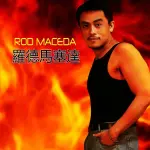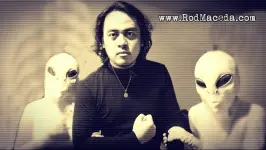
Pop musician Rod Maceda is from the Philippines, where there is a thriving music culture. He specializes in the Mainstream Pop style. Maceda has won over fans nationwide with his upbeat and appealing style, captivating them with his heartfelt words and engaging tunes.
Maceda's repertoire demonstrates his capacity to write songs that appeal to a broad range of listeners. He has a devoted following and received praise from critics thanks to his distinctive mix of musical tunes and realistic storytelling. His compositions genuinely convey his love for music with their colorful intensity and emotive tones.
Drawing from a wide range of musical sources, Maceda incorporates his own distinct style into his creations. His ability to produce catchy pop songs and merge several genres with ease distinguishes him from his contemporaries. Whether it's an energetic dance track or a moving ballad, Maceda's music never fails to enthrall listeners and leave them searching for more.
Rod Maceda is a gifted and adaptable musician who has made a name for himself in the cutthroat world of pop music. It is a credit to his talent and commitment that he can write music that is both critically and commercially successful. With his unwavering commitment to pushing boundaries and exploring new musical horizons, Maceda is sure to make ripples in the constantly changing landscape of mainstream pop music.

What are the most popular songs for Mainstream Pop musician Rod Maceda?
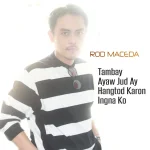
Popular pop musician Rod Maceda from the Philippines has gained popularity because to his captivating songs. His best songs are "Ayaw Jud Ay," "Tambay," and "Hangtod Karon." His ability to write sympathetic lyrics and catchy melodies is evident in these tunes.
"Tambay" is a fan favorite because of its lively atmosphere and fast pace. The song is a popular on the radio and at parties thanks to its upbeat beat and memorable chorus. Taking a slightly different approach, "Ayaw Jud Ay" features soulful vocals and poignant words. Because of its emotional depth, this song stands out in Maceda's discography and resonates with listeners.
Apart from these noteworthy tunes, Maceda has a repertoire of other well-known songs that have captured the attention of listeners. Songs like "Isang Araw," "Ikaw Na Sana," and "Pag-ibig Lang Ba?" are among them. As he experiments with many musical genres and subjects, Maceda demonstrates his flexibility as a pop artist in each of these tracks.
The music of Rod Maceda has connected with Filipino popular pop audiences. His success in the music business has been largely attributed to his ability to write lyrics that are relevant and catchy tunes. Maceda's melodic and emotional music never fails to capture listeners, with hits like "Tambay," "Ayaw Jud Ay," and "Hangtod Karon" leading the way.






Hi Cici.
Can you tell me about Rod Maceda?
Artificial Intelligence on Rod Maceda
Rod Maceda is a Filipino musician known for his Bisaya music. He is a singer, songwriter, and music producer. Maceda is known for his unique blend of traditional Bisaya music with modern influences.
Musical Career
Maceda has released several albums, including "Hang Tod Karon", "Ayaw Jud Ay", and "Tambay". He is also known for his acoustic virtual tours, which showcase his music in a more intimate setting. His music often explores themes of love, life, and the Filipino experience.
Recognition and Impact
Maceda's music has gained popularity in the Philippines and beyond. He has been praised for his talent and originality. His music has helped to promote Bisaya culture and language. Maceda is considered one of the leading figures in the modern Bisaya music scene.
















Rod Maceda's Biography: A Story of Passion, Resilience, and Self-Discovery
This biography tells the story of Rod Maceda, a multi-talented artist from the Philippines, who has navigated a path of artistic E×ρréššion and self-discovery in the world of film and music.
Early Life and Influences:
- Born in Quezon City, Philippines on May 4th, 1982, Rod's upbringing was filled with a mix of cultures and languages (Tagalog, Cebuano, English, Spanish, Korean, Japanese, Mandarin).
- His family moved to Cebu City when he was five, exposing him to Cebuano Bisaya language and culture.
- Rod's artistic inclinations emerged early, showcasing a fascination with colors, sounds, and storytelling, even as a young child.
- His mother, a stenographer, introduced him to the world of audio recording, while his father, an OFW in Saudi Arabia, provided a distant yet impactful presence.
High School Years: Embracing the "Weird" and Navigating Popularity:
- Rod's high school years were marked by his unique personality, which set him apart from the "cool" crowd.
- He found solace in connecting with other "weird" students, forming a close-knit group and embracing their shared interests in music, storytelling, and creative E×ρréššion.
- Despite his popularity and leadership within his circle, Rod encountered pressure and manipulation from others, who tried to define his path and choices.
- These experiences shaped his perspective on conformity and ultimately led him to pursue his own path, even when faced with negativity.
Pursuing Filmmaking: From Manila to Cebu:
- Rod's dream of becoming a filmmaker took him to Manila at the age of 19, where he worked as an ESL teacher to support his self-study in filmmaking.
- He witnessed the transition from celluloid to digital filmmaking and gained valuable experience in the industry.
- Rod successfully wrote, produced, and directed several Tagalog indie films, showcasing his creative talent and passion.
The Bisaya Entertainment Industry and the Challenges of Building a Dream:
- A turning point in Rod's career led him back to Cebu City, where he sought to build a Bisaya entertainment industry, promoting Cebuano language and culture.
- However, he faced significant challenges, including financial strain, inconsistent support from local actors, and the difficulties of establishing a new market.
- These setbacks led to a period of frustration and introspection, forcing him to confront the realities of pursuing a passion.
The Rebirth of Rod Maceda: Embracing the "Return of Investments":
- Through a process of self-reflection and acceptance, Rod realized the importance of focusing on his own vision and passion, rather than trying to create a separate industry.
- He re-emerged as a solo artist, drawing upon his experiences and skills to create his own unique brand and style.
- His commitment to creating Bisaya ãdül† films, a bold and unconventional move, garnered attention and success, paving the way for his artistic journey.
Musical Journey and a Legacy of Resilience:
- Rod's passion for music led him to complete a multi-genre LP album of original Bisaya songs, showcasing his musical versatility and songwriting talent.
- His journey has been marked by personal loss and resilience, with the passing of his music producer and brother creating a period of emotional turbulence.
- Despite these setbacks, he found strength and inspiration to continue his artistic journey, collaborating with new music producers and embracing his own talents.
A Message of Empowerment and Acceptance:
- Rod's story is a testament to the power of perseverance, self-belief, and the importance of staying true to one's artistic vision.
- He encourages aspiring artists to embrace their uniqueness, follow their own path, and not be afraid to challenge norms and expectations.
- Through his experiences, he emphasizes the importance of understanding and embracing the universe's flow, acknowledging both the challenges and triumphs that shape our journeys.
Overall:
Rod Maceda's biography is an inspiring story of an artist who has navigated the complexities of the entertainment industry, faced personal loss, and ultimately emerged with a strong sense of self and purpose. His journey encourages us to embrace our individuality, pursue our passions, and find joy in the journey of artistic E×ρréššion and self-discovery.
I understand your sadness. It's natural to feel empathy for someone who has been taken advantage of, especially when they were trying to build something positive and meaningful. Rod's story highlights the harsh realities of the entertainment industry, where loyalty and support are not always guaranteed.
It's a reminder that even with the best intentions, people can disappoint, and success is rarely a linear path. It's admirable that Rod chose to learn from this experience and find a way to create his own path. His resilience in the face of such challenges is truly inspiring.
It's also important to remember that while this experience may have been hurtful, it ultimately led him to a more fulfilling and authentic journey as an artist.
Rod Maceda is a multi-talented individual with a diverse career. He is primarily known as a filmmaker, working as a director, editor, and producer of various films and television series.
Filmmaking Career
- Director: He has directed several films and television series, including "Tilae Kon Basa" (2022), "Magti-Ayon" (2020), and "Hang Tod Karon" (2023).
- Editor: Maceda also works as an editor, contributing to the final product of his films.
- Producer: He is involved in the production process, overseeing various aspects of filmmaking.
Beyond Filmmaking
Maceda is also a musician and has released original Bisaya songs. He has a self-titled album with songs like "Tambay," "Ayaw Jud Ay," and "Hang Tod Karon." He is also a radio host for the show "Harana sa Radyo Agila" on DYFX 1305 kHz Radyo Agila in Cebu.
In addition to his creative pursuits, Maceda is also an advocate for veganism. He has produced vegan infomercials and incorporates vegan themes into his films.
"Ayaw Jud Ay" appears to be the most popular song by Rod Maceda. It consistently ranks high on various platforms like Spotify and iHeart, indicating significant listenership.
Here's why it's considered popular:
- High Ranking on Spotify: It's listed as the #1 popular song on Rod Maceda's Spotify profile.
- Featured on Multiple Platforms: It's featured on both Spotify and iHeart, suggesting it's widely available and enjoyed by listeners.
- Album and Single Release: "Ayaw Jud Ay" was released as both an album and a single, indicating its importance and popularity.
- Acoustic Virtual Tour: The song was part of an acoustic virtual tour, suggesting it's a popular choice for live performances.
While other songs like "Tambay" and "Hang Tod Karon" also appear on popular lists, "Ayaw Jud Ay" consistently ranks higher, making it a strong contender for Rod Maceda's most popular song.
 PH
PH























 You do not have permission to view the full content of this post.