PH
PH-
Welcome to PHCorner Forums! Sign up for free to unlock full access and exclusive privileges, including:
- Asking questions about computer and mobile issues
- Discovering internet tips for your mobile network and computer
Beatriz9's latest activity
-
BA refrigerator works by moving heat. Its refrigeration system absorbs heat from inside the cabinet and releases that heat into the surrounding room through components such as the condenser. That's why the back or sides of a refrigerator can...
-
-
BBeatriz9 posted the thread 🍔 Food · Travel Vitamin C Doesn't Prevent the Common Cold for Most People in 🚲 Lifestyle & Recreation.Vitamin C is essential for health, but routinely taking it doesn't mean you'll stop catching ordinary colds. Large reviews have found that regular vitamin C supplementation generally doesn't reduce cold incidence in the general population...
-
-
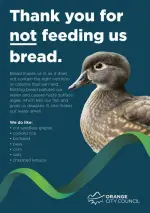
BBeatriz9 posted the thread 🐾 Pets · Plants Putting Bread Out Isn't an Ideal Way to Feed Birds in 🚲 Lifestyle & Recreation.Many birds will happily eat bread, but willingness to eat something doesn't mean it's nutritionally appropriate. Bread generally doesn't provide the balanced nutrients wild birds need, particularly when it replaces more nutritious natural foods...
-
-
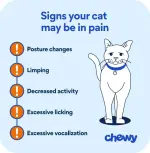
BCats evolved both as predators and as animals vulnerable to larger predators, and obvious signs of weakness can carry disadvantages. As a result, pain may appear as subtle behavioral changes rather than dramatic crying. A cat might hide more...
-
-
BBeatriz9 replied to the thread 🎁 Giveaways Grammarly Pro | 1 WEEK #22.Walapong anuman sir hehe
-
BHidden content Please feedback. Thank you. 💕
-
-
BBeatriz9 posted the thread 🐾 Pets · Plants Not Every Dog Naturally Knows How to Swim in 🚲 Lifestyle & Recreation.The phrase “doggy paddle” makes it sound like swimming is automatic for every dog. While many dogs instinctively make paddling movements in water, that doesn't mean every dog can keep itself safely afloat or confidently reach an exit. Body...
-
-
BBeatriz9 posted the thread 🐾 Pets · Plants Lilies Can Be Extremely Dangerous to Cats in 🚲 Lifestyle & Recreation.Several true lilies and daylilies can cause severe, potentially fatal kidney injury in cats. The danger isn't limited to a cat deliberately eating an entire flower. Leaves, petals, pollen, and even water from a vase containing certain lilies...
-
-
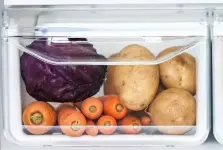
BBeatriz9 posted the thread 🍔 Food · Travel Refrigerating Raw Potatoes Can Change Their Cooking Chemistry in 🚲 Lifestyle & Recreation.Cold storage can cause some potato starch to convert into reducing sugars. When those potatoes are later cooked at high temperatures—particularly frying, roasting, or baking—the additional sugars can contribute to increased formation of...
-
-
BBeatriz9 posted the thread 🍔 Food · Travel Washing Rice Doesn't Remove All Arsenic in 🚲 Lifestyle & Recreation.Rice can absorb inorganic arsenic from soil and water more readily than many other food crops. Rinsing rice before cooking can remove some contaminants and surface material, but it doesn't necessarily eliminate arsenic stored within the grain...
-
-
BBeatriz9 posted the thread 🍔 Food · Travel Adding Oil to Pasta Water Doesn't Stop the Pasta From Sticking Effectively in 🚲 Lifestyle & Recreation.Oil generally floats on top of boiling pasta water rather than coating submerged pasta evenly while it cooks. Preventing sticking is better accomplished with sufficient water and stirring, particularly early in cooking. Oil can also coat...
-
-
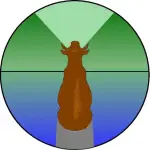
BBeatriz9 posted the thread 🍔 Food · Travel Cows Have an Almost Panoramic Field of View in 🚲 Lifestyle & Recreation.Because a cow's eyes are positioned toward the sides of its head, it can see a very wide area around its body. This helps prey animals monitor their surroundings for potential threats. However, the arrangement also creates blind areas and...
-
-
BBeatriz9 posted the thread 💡 Trivia Fog Is Basically a Cloud Touching the Ground in 🚲 Lifestyle & Recreation.Clouds and fog are made through essentially the same basic process: tiny water droplets or ice crystals become suspended in air. The key difference is their location. When this cloud-like suspension occurs at or very near Earth's surface, we...
-
-
BBeatriz9 posted the thread 🐾 Pets · Plants Dogs Can Tell When Two People Smell Different Even If They're Identical Twins in 🚲 Lifestyle & Recreation.Identical twins can be extremely difficult for humans to distinguish visually. Dogs trained for scent identification have demonstrated an ability to discriminate between odor samples from identical twins under controlled conditions...
-
-
BBeatriz9 posted the thread 🍔 Food · Travel Your Sense of Smell Changes While You're Eating in 🚲 Lifestyle & Recreation.When you chew food, aroma molecules travel from the back of your mouth into your nasal cavity. This is called retronasal olfaction, and it contributes enormously to what you experience as flavor. It's different from smelling food through your...
-
-
BBeatriz9 replied to the thread 🎁 Giveaways Grammarly Pro | 1 WEEK #21.Salamat po sa support mga sirs
-
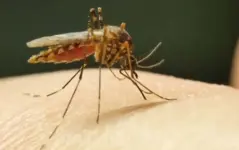
BBeatriz9 posted the thread 💡 Trivia Mosquitoes Don't Find You Only by Smell in 🚲 Lifestyle & Recreation.Carbon dioxide from your breath is an important cue mosquitoes can follow, but it isn't their only one. They can also respond to body odors, heat, humidity, and visual information. At closer distances, multiple sensory cues help them locate a...
-