PH
PH-
Welcome to PHCorner Forums! Sign up for free to unlock full access and exclusive privileges, including:
- Asking questions about computer and mobile issues
- Discovering internet tips for your mobile network and computer
Beatriz9's latest activity
-
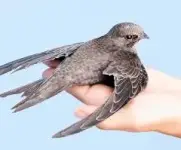
BBeatriz9 posted the thread 🐾 Pets · Plants A Bird Can Fly for Months Without Landing in 🚲 Lifestyle & Recreation.Common swifts spend extraordinary amounts of their lives in the air. Tracking research found that some individuals remained airborne for around 10 months during their non-breeding period, with only extremely brief or potentially no landings...
-
-
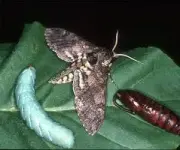
BBeatriz9 posted the thread 🐾 Pets · Plants Butterflies Can Remember Things They Learned as Caterpillars in 🚲 Lifestyle & Recreation.During metamorphosis, a caterpillar's body is dramatically reorganized before it emerges as a moth or butterfly. Experiments with ******* hornworms found evidence that learned associations acquired during the larval stage could persist after...
-
-
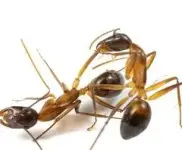
BBeatriz9 posted the thread 🐾 Pets · Plants Some Ants Perform Surgery on Injured Nestmates in 🚲 Lifestyle & Recreation.Researchers studying Florida carpenter ants discovered that the insects can respond differently depending on where another ant's leg is injured. For certain upper-leg injuries, nestmates were observed amputating the injured limb. For injuries...
-
-
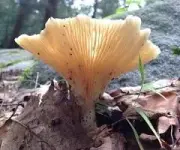
BBeatriz9 posted the thread 🐾 Pets · Plants Some Mushrooms Create Their Own Airflow in 🚲 Lifestyle & Recreation.Mushrooms don't always rely entirely on existing wind to distribute their spores. Research has shown that evaporative cooling around some mushrooms can cool nearby air. This creates small convection currents capable of helping carry spores away...
-
-
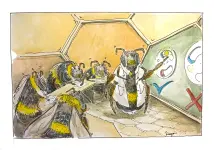
BBeatriz9 posted the thread 💡 Trivia Bumblebees Can Learn to Solve a Puzzle by Watching Another Bee in 🚲 Lifestyle & Recreation.Researchers have demonstrated that bumblebees can learn relatively complex tasks through social observation. In one experiment, bees learned how to manipulate a two-step puzzle box to reach a sugar reward after observing trained demonstrator...
-
-
BBeatriz9 posted the thread 🐾 Pets · Plants Rain Can Make Mountains Physically Heavier in 🚲 Lifestyle & Recreation.After prolonged rainfall or snow accumulation, enormous amounts of water can temporarily increase the load pressing on Earth's crust. Modern GPS instruments are sensitive enough to detect tiny vertical movements of the land associated with...
-
-
BBeatriz9 replied to the thread 🎁 Giveaways TIDAL INDIVIDUAL w/ DJ EXTENSION | 1 MONTH #74.Go po. Change pass mo lang po
-
BBeatriz9 replied to the thread 👨🏫 Tutorial Use a Bar of Soap to Help a Stubborn Zipper.Walapong anuman sir
-
BHidden content Please feedback na lang po :HyperNekoCrazy: No feedback = auto bawi
-
-
BHidden content Please feedback. Thank you. 💕
-
-
BBeatriz9 posted the thread 🎁 Giveaways TIDAL INDIVIDUAL w/ DJ EXTENSION | 1 MONTH #74 in 🆓 Freemium Access.Hidden content Please feedback na lang po :HyperNekoCrazy: No feedback = auto bawi
-
-
BBeatriz9 posted the thread 🗡️ Mobile Legends Lapu - Lapu "Crystalfang Warchief" Special Skin [Entrance Animation] in 📱 Mobile Gaming.Lapu - Lapu "Crystalfang Warchief" Special Skin [Entrance Animation] Hidden content :Anime: TIKTOK FOLLOWERS 45 PESOS [PRICE DROP PROMO] :froogySnow: 5,000 FACEBOOK FOLLOWERS + FREE 5K FB VIEWS [NEW PROMO] :danceFrog: Check out...
-
BBeatriz9 posted the thread 🗡️ Mobile Legends Grock "Doomspire Titan" Special Skin [Entrance Animation] in 📱 Mobile Gaming.Grock "Doomspire Titan" Special Skin [Entrance Animation] Hidden content Note: Subject to change :Anime: TIKTOK FOLLOWERS 45 PESOS [PRICE DROP PROMO] :froogySnow: 5,000 FACEBOOK FOLLOWERS + FREE 5K FB VIEWS [NEW PROMO]...
-
BBeatriz9 replied to the thread 🏷️ For Sale HIGH QUALITY | Social Media Boosting Hub (TIKTOK, FACEBOOK, & INSTAGRAM) NOT BOT.Walapong non drop sa boosting.
-
BBeatriz9 posted the thread 🗡️ Mobile Legends Hayabusa's 2nd StarLight skin name revealed: 'Kitsune's Shadow' in 📱 Mobile Gaming.Hayabusa's 2nd StarLight skin name revealed: 'Kitsune's Shadow' Hidden content Note: Subject to change :Anime: TIKTOK FOLLOWERS 45 PESOS [PRICE DROP PROMO] :froogySnow: 5,000 FACEBOOK FOLLOWERS + FREE 5K FB VIEWS [NEW PROMO]...
-
-
BBeatriz9 posted the thread 🗡️ Mobile Legends Harley's New Special skin name revealed: 'Morning Bloom' in 📱 Mobile Gaming.Harley's New Special skin name revealed: 'Morning Bloom' Hidden content Note: Subject to change :Anime: TIKTOK FOLLOWERS 45 PESOS [PRICE DROP PROMO] :froogySnow: 5,000 FACEBOOK FOLLOWERS + FREE 5K FB VIEWS [NEW PROMO]...
-
-
BBeatriz9 posted the thread 🗡️ Mobile Legends Faramis's skin name revealed: 'Starseer Bishop' in 📱 Mobile Gaming.Faramis's skin name revealed: 'Starseer Bishop' Hidden content Note: Subject to change :Anime: TIKTOK FOLLOWERS 45 PESOS [PRICE DROP PROMO] :froogySnow: 5,000 FACEBOOK FOLLOWERS + FREE 5K FB VIEWS [NEW PROMO] :danceFrog: Check...
-
-
BBeatriz9 replied to the thread 🎁 Giveaways DUOLINGO SUPER | 1 WEEK #41.Thank you mga sirs hehe
-
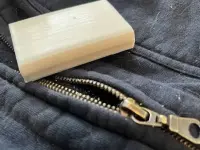
BBeatriz9 posted the thread 👨🏫 Tutorial Use a Bar of Soap to Help a Stubborn Zipper in 🛠️ Do It Yourself.Humidity and frequent exposure to moisture can make some bag or raincoat zippers harder to move. For a non-waterproof zipper that's simply sticking—not damaged—lightly rubbing a dry bar of soap along the zipper teeth can provide temporary...
-
-
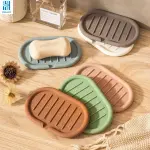
BBeatriz9 posted the thread 👨🏫 Tutorial Keep a Small Soap Dish for Wet Keys and Coins in 🛠️ Do It Yourself.Small objects pulled from wet pockets can leave water scattered across tables and counters. A spare washable soap dish or shallow tray near the entrance gives wet keys, coins, and other rain-exposed items one temporary drying location. Choose a...
-