PH
PH-
Welcome to PHCorner Forums! Sign up for free to unlock full access and exclusive privileges, including:
- Asking questions about computer and mobile issues
- Discovering internet tips for your mobile network and computer
Beatriz9's latest activity
-
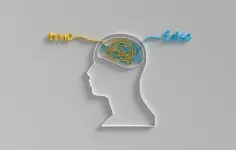
BSeveral studies suggest that people often remember information better when reading printed pages compared with reading the same text on a screen. Researchers believe physical pages provide visual and spatial cues that help the brain organize...
-
-
BBeatriz9 replied to the thread 🎁 Giveaways TIDAL INDIVIDUAL w/ DJ EXTENSION | 1 MONTH #47.Thank you po sa support haha
-
BBeatriz9 posted the thread 🎁 Giveaways TIDAL INDIVIDUAL w/ DJ EXTENSION | 1 MONTH #47 in 🆓 Freemium Access.Hidden content Please feedback na lang po :HyperNekoCrazy: No feedback = auto bawi
-
-
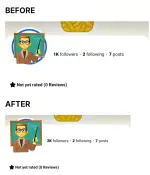
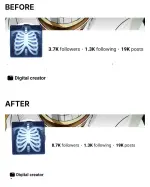
BBeatriz9 replied to the thread 🔒 Closed Closed na puu ituu.1k HIGH QUALITY followers, mins. process only. Tysm po💕 (NOT BOT)
-
-
BBeatriz9 replied to the thread 🏷️ For Sale 5,000 FACEBOOK FOLLOWERS with FREE 5,000 FB VIEWS [LIMITED TIME PROMO].5K HIGH QUALITY followers + FREE 5K views, done. Tysm po 💕 (NOT BOT)
-
-
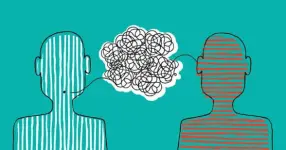
BBeatriz9 posted the thread 💡 Trivia Most People Mirror the Speaking Style of the Person They're Talking To in 💬 Chitchat.During conversations, people naturally begin matching each other's speaking speed, tone, or even common words. This behavior usually happens without conscious effort and helps build rapport. Psychologists refer to this as communication...
-
-
BPeople don't always perceive music at the same speed. Research suggests that mood can influence how quickly a song seems to pass. When people are enjoying themselves, time often feels shorter, making songs seem to end sooner. During boredom or...
-
-
BBeatriz9 posted the thread 💡 Trivia The Brain Often Creates "Fake" Memories Without You Knowing in 💬 Chitchat.Memory isn't like replaying a video. Every time you remember something, the brain rebuilds that memory from stored pieces. During this process, small details can accidentally change or mix with new information. This is why two people can honestly...
-
-
BBeatriz9 replied to the thread ❓ Help Help. Di maka receive ng otp galing g-cash.Triny mo na po ba kung nakaka received pa ng kahit anong text message yung sim mo??
-
BBeatriz9 posted the thread 💡 Trivia People Often Remember the Ending Better Than the Beginning in 💬 Chitchat.Psychologists have found that people tend to judge an experience largely by its ending rather than by every moment within it. This is called the peak-end rule. A great ending can improve the memory of an average experience, while a bad ending can...
-
-
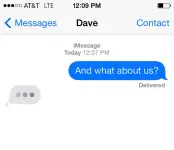
BBeatriz9 posted the thread 💡 Trivia Typing Dots Can Create More Anxiety Than the Message Itself in 💬 Chitchat.Seeing the "typing…" indicator in a messaging app changes how people react before a message even arrives. Many people begin guessing what the other person is about to say, especially during serious conversations. If the typing indicator...
-
-
BBeatriz9 replied to the thread 🎁 Giveaways TIDAL INDIVIDUAL w/ DJ EXTENSION | 1 MONTH #46.Salamat sa pag daan hehe
-
BBeatriz9 posted the thread 🎁 Giveaways TIDAL INDIVIDUAL w/ DJ EXTENSION | 1 MONTH #46 in 🆓 Freemium Access.Hidden content Please feedback na lang po :HyperNekoCrazy: No feedback = auto bawi
-
-
BBeatriz9 replied to the thread 🎁 Giveaways TIDAL INDIVIDUAL w/ DJ EXTENSION | 1 MONTH #43.Hidden content
-
BBeatriz9 replied to the thread 🎁 Giveaways TIDAL INDIVIDUAL w/ DJ EXTENSION | 1 MONTH #43.Ni-cancel yung subscription, Akala niya ata di pwede iresubs haha. Tanggal react pa siya e hahaha
-
BBeatriz9 replied to the thread 🎁 Giveaways TIDAL INDIVIDUAL w/ DJ EXTENSION | 1 MONTH #45.Walapong anuman boss
-
BBeatriz9 posted the thread 🎁 Giveaways TIDAL INDIVIDUAL w/ DJ EXTENSION | 1 MONTH #45 in 🆓 Freemium Access.Hidden content Please feedback na lang po :HyperNekoCrazy: No feedback = auto bawi
-
-
BBeatriz9 replied to the thread 🎁 Giveaways TIDAL INDIVIDUAL w/ DJ EXTENSION | 1 MONTH #43.Bawiin ko yan sir hehe. Biyaya ko po sayo
-
BBeatriz9 posted the thread 💡 Trivia Online Stores Know When People Leave Items in Their Cart in 💬 Chitchat.When shoppers add products to a cart but don't complete the purchase, many online stores record this as an abandoned cart. Some businesses later send reminder emails or app notifications encouraging customers to return. Others may even offer a...
-
-
BTake a close look at movie posters, and you'll notice many of them look surprisingly similar. Action heroes often face away from the camera, romantic movies feature two people looking at each other, and horror posters usually have dark...
-