PH
PH-
Welcome to PHCorner Forums! Sign up for free to unlock full access and exclusive privileges, including:
- Asking questions about computer and mobile issues
- Discovering internet tips for your mobile network and computer
Beatriz9's latest activity
-
BElephants communicate using very low-frequency sounds called infrasound, which can travel several kilometers through the ground. Sensitive receptors in their feet and trunks allow them to detect these vibrations. This helps elephant herds stay...
-
-
BAlthough the human brain makes up only about 2% of your body weight, it consumes roughly 20% of your body's energy while you're at rest. This energy powers billions of neurons that constantly send signals throughout the body. Even while you're...
-
-
BBeatriz9 posted the thread 💡 Trivia Sloths Only Come Down From Trees About Once a Week in 💬 Chitchat.Sloths spend nearly their entire lives hanging upside down in trees. Surprisingly, they usually climb down to the ground only about once a week to relieve themselves. This journey is risky because sloths are much slower and more vulnerable to...
-
-
BBeatriz9 posted the thread 💡 Trivia Earth Is Hit by About 100 Lightning Bolts Every Second in 💬 Chitchat.Lightning is happening somewhere on Earth almost all the time. Scientists estimate that around 100 lightning bolts strike the planet every second, adding up to more than 8 million strikes each day. Most occur over land in tropical regions where...
-
-
BAlthough oceans cover more than 70% of Earth's surface, scientists estimate that over 80% of the ocean remains unexplored, unmapped, or unobserved. The immense pressure, darkness, and depth make exploration extremely difficult. New species are...
-
-
BUnlike humans and many other mammals, cats cannot taste sweetness. Scientists discovered that cats lack a functional gene responsible for detecting sweet flavors. Because they are obligate carnivores, their diets naturally consist almost entirely...
-
-
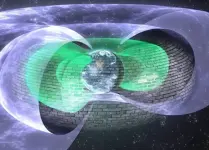
BEarth is surrounded by an invisible magnetic field called the magnetosphere. It acts like a giant shield, protecting our planet from harmful charged particles released by the Sun. Without this protective barrier, solar radiation could damage...
-