 PH
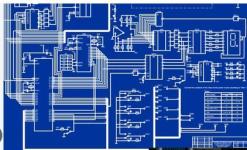
How to Read Electrical Drawings & Schematics
Published 10/2026
Created by Christian Lopes
MP4 | Video: h264, 1920x1080 | Audio: AAC, 44.1 KHz, 2 Ch
Level: Beginner | Genre: eLearning | Language: English | Duration: 25 Lectures ( 36m ) | Size: 91.5 MB
Read plans, one-lines, panel schedules and ladder diagrams with confidence, from a licensed C-10 electrical contractor
What you'll learn
 Navigate an electrical drawing set and find the sheet, note or schedule you need Decode symbols, legends, abbreviations and scale Trace circuits, homeruns and switch legs on residential and commercial plans Read one-line diagrams, riser diagrams and panel schedules Interpret lighting, fire alarm and low-voltage drawings Read ladder diagrams and motor starter control schematics
Requirements
 No prior drawing experience is needed; if you know what a receptacle and a breaker are, you are ready Basic familiarity with electrical work is helpful but not required
Description
This course contains the use of artificial intelligence.
Electrical drawings are the job. Miss one general note or misread one symbol and the crew pays for it in rework. I'm Christian, a licensed C-10 electrical contractor in San Diego and an electrical engineer with more than six years in semiconductor fabs. I've read drawings as an engineer, as an estimator and as the person holding the pliers, and this course teaches you the method I use.
In 25 short lectures you will learn how a drawing set is organized, how to use legends, scale and abbreviations, and how to follow circuits from device to panel on residential and commercial plans. You will read one-line diagrams, riser diagrams and panel schedules, work through lighting, fire alarm and low-voltage drawings, and finally understand ladder diagrams and motor starter control schematics. The last section covers details, revision clouds, RFIs and a repeatable reading routine you can use on every set.
What you get: 25 video lectures, a downloadable PDF Electrical Symbols and Abbreviations Cheat Sheet with a sample panel schedule explained and a ladder-diagram legend, and a quiz at the end of every section so you can check your understanding.
Disclaimers: this course is educational and does not replace the current adopted electrical code, the project specifications or the engineer of record. Symbols and conventions vary between designers, so always check the legend and general notes for the project in front of you.
About the production: the narration in this course is generated with an AI text-to-speech voice, and the slides were produced with AI-assisted tools. The content was written and reviewed by the instructor.
Who this course is for
 Apprentice electricians who want to move faster on the job Journeyman electricians stepping into foreman or estimating roles Engineers, facility technicians and maintenance staff who work from electrical drawings Career changers entering the electrical trade
You do not have permission to view the full content of this post. Log in or register now.
You do not have permission to view the full content of this post. Log in or register now.