 PH
PH-
Welcome to PHCorner Forums! Sign up for free to unlock full access and exclusive privileges, including:
- Asking questions about computer and mobile issues
- Discovering internet tips for your mobile network and computer
You are using an out of date browser. It may not display this or other websites correctly.
You should upgrade or use an alternative browser.
You should upgrade or use an alternative browser.
❓ Help AI tool for architecture
frozenberyl
Eternal Poster
yan din hinahanap ko lod.
yan din hinahanap ko lod.
try nyo ung channel nya sa yt kulang kac mga prompt d lahat binigay hahahaganayan din hanap ko sana may makatulong
He he, bakit di nyo tanungin yung AI kung saan kukunin yan muna. Wala namang sikreto kahit sa Chrome "AI Mode" lang mga anak!
Ang simple trick is find a sample image you like for your project, then use an MOE LLM model with vision to analyze the image and create a prompt to clone it. Yon yung magiging base template prompt mo. Magdadagdag ka na lang ng instructions kung ano yung gusto mong mangyari sa visual themes, the same used in any image generator - subject, details, setting, style, aspect ratio, etc. For trial use muna, then look for guides for the AI you are using.
I. Midjourney:
When using ᑕᕼᗩTGᑭT (DALL-E 3) for architectural design, the approach shifts from technical shorthand to highly descriptive, spatial narratives. Unlike Midjourney, ᑕᕼᗩTGᑭT understands complex relationships between objects and "spatial logic." 1. The "Narrative" Prompting StrategyChatGPT excels when you describe the experience of the space. Instead of just "Modern House," describe how the light interacts with the materials. Step 1: The Function: Define the building type (e.g., "A multi-generational residential villa").Step 2: The Geometry: Use terms like "cantilevered volumes," "interlocking cubes," or "fluid, organic curves."Step 3: Materiality: Specify textures—"raw board-formed concrete," "brushed brass accents," or "translucent polycarbonate panels."Step 4: Atmospheric Context: Describe the time of day and weather (e.g., "a misty morning in the Swiss Alps"). 2. Specialized Architectural Keywords for ChatGPTSince ᑕᕼᗩTGᑭT interprets natural language, use specific design movements and atmospheric cues: Design Movements: "Metabolist architecture," "Scandinavian minimalism," "Tropical Modernism," or "Sustainable Biophilic design."Technical Features: "Double-height ceilings," "floor-to-ceiling glass curtain walls," "central courtyard with a Japanese maple," "sun-drenched atrium."
3. Controlling Composition and Format
While ᑕᕼᗩTGᑭT doesn't use --ar commands, you can request specific formats in plain English:
4. Example High-Level Prompts
5. Iterative Refinement (The "Pro" Move)
One of ᑕᕼᗩTGᑭT's greatest strengths is memory. You can refine a design by saying:
For Software Architecture & AI Agents:
- mikaelvesavuori/ᑕᕼᗩTGᑭT-architecture-coach: This repository contains a collection of "priming prompts" for ᑕᕼᗩTGᑭT to discuss various aspects of software development and architecture.
- You do not have permission to view the full content of this post. Log in or register now.: This section of GitHub's official awesome-copilot repo includes prompts for specific software development tasks, such as creating Architectural Decision Records (ADRs) and planning epics.
- You do not have permission to view the full content of this post. Log in or register now.: This collection focuses on cutting-edge, system-design prompt templates for autonomous AI agents, covering multi-agent orchestration and other complex problems.
- You do not have permission to view the full content of this post. Log in or register now.: This repo curates AI architecture patterns, including RAG (Retrieval Augmented Generation), vector stores, and other essential topics for building AI-powered systems.
For Building Design & Visualization:
- You do not have permission to view the full content of this post. Log in or register now.: This project is a small widget designed to generate creative and unique prompts for architects, intended for pedagogic experimentation and visualization using AI image generators.
Other General List:
These repositories don't just contain prompts but are excellent curated lists of general architecture resources that can inspire your own prompts:
- You do not have permission to view the full content of this post. Log in or register now.: A list of great ARCHITECTURE.md files from well-known projects (like the Linux kernel, VS Code, and GitLab) that serve as examples of clear and useful architecture documentation.
- You do not have permission to view the full content of this post. Log in or register now.: A curated list of resources, articles, and methodologies related to software architecture, including principles from books like "Clean Architecture".
- You do not have permission to view the full content of this post. Log in or register now.: A list focused on software and architectural design patterns (e.g., microservices, event-driven architecture, cloud design patterns).
Karamihan dyan may prompts to test or use the apps for better results. Sa palagay ko may uubra dyan na prompts sa Midjourney, Leonardo, Architecture AI ng ᑕᕼᗩTGᑭT, atbp. Malawak kasi ang scope ng architecture, kaya kayo na yung mag-adjust. "Arki" rin anak ko pero ayaw pang gumamit ng AI since hindi required sa trabaho niya he he.. You do not have permission to view the full content of this post. Log in or register now.: AI prompts that teach Claude/Cursor to architect replaceable, modular systems. Used to refactor complex DOM bugs into clean interfaces supporting multiple frameworks. Based on Eskil Steenberg's legendary lecture.
Ang simple trick is find a sample image you like for your project, then use an MOE LLM model with vision to analyze the image and create a prompt to clone it. Yon yung magiging base template prompt mo. Magdadagdag ka na lang ng instructions kung ano yung gusto mong mangyari sa visual themes, the same used in any image generator - subject, details, setting, style, aspect ratio, etc. For trial use muna, then look for guides for the AI you are using.
I. Midjourney:
II. ᑕᕼᗩTGᑭT Architecture AI:In Midjourney, architectural prompting requires a technical vocabulary that mimics the language of professional designers and photographers.
1. Structural Prompt Formula
For architecture, the most effective prompts follow this sequence:
[Medium] of [Subject], [Style], [Materials], [Environment/Lighting], [Camera/Perspective] --ar [Ratio] --v 6.1
- Medium: "Architectural photography," "realistic render," "watercolor sketch," or "isometric 3D render".
- Subject: "Residential villa," "parametric pavilion," "modern skyscraper," or "brutalist library".
- Architect/Style: Reference specific masters like "Zaha Hadid" (curvaceous, organic) or "Bjarke Ingels" (playful, geometric) to set the design DNA.
2. Architecture-Specific Keywords
To achieve precision, use professional industry terms instead of generic adjectives.
Styles Brutalist, Mid-century Modern, Bauhaus, Deconstructivist, Biophilic, Parametric. Materials Polished concrete, Corten steel, floor-to-ceiling glass, charred wood (Shou Sugi Ban), matte limestone. Lighting Golden hour, volumetric fog, blue hour, cinematic shadows, diffused skylight, "lit from within". Environment "Nestled in a pine forest," "urban context," "cliffside overlooking stormy ocean," "mirrored in a reflecting pool".
3. Photography & Camera Control
Midjourney treats architecture prompts best when you "direct" the shot like a photographer.
- Lens Choice: Use "24mm wide angle" for expansive exteriors or "85mm macro" for close-up material textures.
- Viewpoints: "Aerial drone view," "street-level perspective," "worm's-eye view," or "orthographic projection" for 2D-style elevations.
- Source References: Add "ArchDaily style" or "Architectural Digest photography" to trigger high-end editorial aesthetics.
4. Technical Parameters for Professionals
- Aspect Ratio (
--ar): Use--ar 16:9for landscapes or--ar 3:4for tall buildings.- Raw Mode (
--style raw): Highly recommended for architecture to reduce "AI-ish" oversaturation and produce more literal, photographic results.- Negative Prompting (
--no): Use--no cars, people, treesif you want a clean, minimalist structural study.
When using ᑕᕼᗩTGᑭT (DALL-E 3) for architectural design, the approach shifts from technical shorthand to highly descriptive, spatial narratives. Unlike Midjourney, ᑕᕼᗩTGᑭT understands complex relationships between objects and "spatial logic." 1. The "Narrative" Prompting StrategyChatGPT excels when you describe the experience of the space. Instead of just "Modern House," describe how the light interacts with the materials. Step 1: The Function: Define the building type (e.g., "A multi-generational residential villa").Step 2: The Geometry: Use terms like "cantilevered volumes," "interlocking cubes," or "fluid, organic curves."Step 3: Materiality: Specify textures—"raw board-formed concrete," "brushed brass accents," or "translucent polycarbonate panels."Step 4: Atmospheric Context: Describe the time of day and weather (e.g., "a misty morning in the Swiss Alps"). 2. Specialized Architectural Keywords for ChatGPTSince ᑕᕼᗩTGᑭT interprets natural language, use specific design movements and atmospheric cues: Design Movements: "Metabolist architecture," "Scandinavian minimalism," "Tropical Modernism," or "Sustainable Biophilic design."Technical Features: "Double-height ceilings," "floor-to-ceiling glass curtain walls," "central courtyard with a Japanese maple," "sun-drenched atrium."
- Rendering Styles: "Photorealistic architectural visualization," "minimalist 3D isometric model," "hand-drawn charcoal site plan," or "Lumion-style render."
3. Controlling Composition and Format
While ᑕᕼᗩTGᑭT doesn't use --ar commands, you can request specific formats in plain English:
- Aspect Ratio: "Create this in a wide cinematic 16:9 aspect ratio."
- Viewpoints: Request a "Drone's-eye view," "Human-scale street perspective," or "Interior cutaway section view."
- Exclusion: Instead of --no, simply say "The scene should be empty of people and vehicles to focus purely on the structure."
4. Example High-Level Prompts
- For Conceptual Design: "A conceptual museum design inspired by the movement of desert dunes. The structure features sweeping, seamless limestone curves and hidden skylights that cast dramatic shadows on the sand-covered floor. Photorealistic 8k render, midday sun."
- For Interior Detail: "A minimalist kitchen interior featuring a massive monolith island made of dark Portoro marble. Behind it, floor-to-ceiling windows look out onto a rainy pine forest. The lighting is moody and focused. Architectural Digest style."
5. Iterative Refinement (The "Pro" Move)
One of ᑕᕼᗩTGᑭT's greatest strengths is memory. You can refine a design by saying:
- "Now change the concrete to charred cedar wood."
- "Make the roof flatter and extend the cantilever further to the left."
- "Show me this same building at night with the interior lights glowing."
He he, bakit di nyo tanungin yung AI kung saan kukunin yan muna. Wala namang sikreto kahit sa Chrome "AI Mode" lang mga anak!
Karamihan dyan may prompts to test or use the apps for better results. Sa palagay ko may uubra dyan na prompts sa Midjourney, Leonardo, Architecture AI ng ᑕᕼᗩTGᑭT, atbp. Malawak kasi ang scope ng architecture, kaya kayo na yung mag-adjust. "Arki" rin anak ko pero ayaw pang gumamit ng AI since hindi required sa trabaho niya he he.
Ang simple trick is find a sample image you like for your project, then use an MOE LLM model with vision to analyze the image and create a prompt to clone it. Yon yung magiging base template prompt mo. Magdadagdag ka na lang ng instructions kung ano yung gusto mong mangyari sa visual themes, the same used in any image generator - subject, details, setting, style, aspect ratio, etc. For trial use muna, then look for guides for the AI you are using.
I. Midjourney:
II. ᑕᕼᗩTGᑭT Architecture AI:
When using ᑕᕼᗩTGᑭT (DALL-E 3) for architectural design, the approach shifts from technical shorthand to highly descriptive, spatial narratives. Unlike Midjourney, ᑕᕼᗩTGᑭT understands complex relationships between objects and "spatial logic." 1. The "Narrative" Prompting StrategyChatGPT excels when you describe the experience of the space. Instead of just "Modern House," describe how the light interacts with the materials. Step 1: The Function: Define the building type (e.g., "A multi-generational residential villa").Step 2: The Geometry: Use terms like "cantilevered volumes," "interlocking cubes," or "fluid, organic curves."Step 3: Materiality: Specify textures—"raw board-formed concrete," "brushed brass accents," or "translucent polycarbonate panels."Step 4: Atmospheric Context: Describe the time of day and weather (e.g., "a misty morning in the Swiss Alps"). 2. Specialized Architectural Keywords for ChatGPTSince ᑕᕼᗩTGᑭT interprets natural language, use specific design movements and atmospheric cues: Design Movements: "Metabolist architecture," "Scandinavian minimalism," "Tropical Modernism," or "Sustainable Biophilic design."Technical Features: "Double-height ceilings," "floor-to-ceiling glass curtain walls," "central courtyard with a Japanese maple," "sun-drenched atrium."
- Rendering Styles: "Photorealistic architectural visualization," "minimalist 3D isometric model," "hand-drawn charcoal site plan," or "Lumion-style render."
3. Controlling Composition and Format
While ᑕᕼᗩTGᑭT doesn't use --ar commands, you can request specific formats in plain English:
- Aspect Ratio: "Create this in a wide cinematic 16:9 aspect ratio."
- Viewpoints: Request a "Drone's-eye view," "Human-scale street perspective," or "Interior cutaway section view."
- Exclusion: Instead of --no, simply say "The scene should be empty of people and vehicles to focus purely on the structure."
4. Example High-Level Prompts
- For Conceptual Design: "A conceptual museum design inspired by the movement of desert dunes. The structure features sweeping, seamless limestone curves and hidden skylights that cast dramatic shadows on the sand-covered floor. Photorealistic 8k render, midday sun."
- For Interior Detail: "A minimalist kitchen interior featuring a massive monolith island made of dark Portoro marble. Behind it, floor-to-ceiling windows look out onto a rainy pine forest. The lighting is moody and focused. Architectural Digest style."
5. Iterative Refinement (The "Pro" Move)
One of ᑕᕼᗩTGᑭT's greatest strengths is memory. You can refine a design by saying:
Bawat AI may sariling prompting format, so you need to learn the basics of the AI you are using, and learn through practice.
- "Now change the concrete to charred cedar wood."
- "Make the roof flatter and extend the cantilever further to the left."
- "Show me this same building at night with the interior lights glowing."
maraming salamat po. minsa ci gpt nag halucinate hahaha
Para masigurado nyo with minimal errors, analyze your prompts online and observe results. Don't always trust AI responses. Pasadahan nyo ng ilang beses hanggang makuha nyo yung correct scripts to control generations.maraming salamat po. minsa ci gpt nag halucinate hahaha
example:
You do not have permission to view the full content of this post. Log in or register now.
You do not have permission to view the full content of this post. Log in or register now.
You do not have permission to view the full content of this post. Log in or register now.
Ang dami nyan sa net.
kahapon para akng mabaliw tinigilan ko mga 10 tries ahahahah distort building.. try ko po ito maraming salamat poPara masigurado nyo with minimal errors, analyze your prompts online and observe results. Don't always trust AI responses. Pasadahan nyo ng ilang beses hanggang makuha nyo yung correct scripts to control generations.
example:
You do not have permission to view the full content of this post. Log in or register now.
You do not have permission to view the full content of this post. Log in or register now.
You do not have permission to view the full content of this post. Log in or register now.
Ang dami nyan sa net.
He he. Mahabang pasensya kailangan mo kung ngayon ka lang sasabak sa prompting sa image or video generators. Madaling sabihin, mahirap gawin! Know the basics, para di ka maligaw. Kahit sikat na Fast models ng Google, OpenAI, Grok, Claude at mga top Chinese models na free sa net will guide you sa image generation - enable mo yung web search, thinking, reasoning kung meron. Segundo lang kung tama yung query mo. Practice ang kailangan mo. Never fails.kahapon para akng mabaliw tinigilan ko mga 10 tries ahahahah distort building.. try ko po ito maraming salamat po
Sa opensource AI, punta ka dito: You do not have permission to view the full content of this post. Log in or register now.
Check mo mga models dyan kung nababagay sa hanap mo. Search ka ng images relating to architecture. Bawat pic, may prompt yan using also checkpoints, lora, etc. May option to test using free credits pero sa selected models lang kung di ka pumili ng checkpoint.
Example: You do not have permission to view the full content of this post. Log in or register now.
Pag bukas nyan, click create for the generator to appear on the left. Swipe the pics/images to view the samples. Pas may napusuan ka, click remix para mapunta sa generator lahat ng settings to generate a clone of the image. Open a "new tab" sa bawat pic sa model na yan para makita mo yung full prompts/settings kung paano siya ginawa - na nasa kanan to save. Do the same for the rest. (Iba yan sa Midjourney but it will teach you how to handle the image model to generate a clone or anything you want.) Copypaste mo then practice creating by just using the checkpoint, prompts. Ito yung custom method aside from the easy method sa DALL-E, Midjourney atbp. online. Hanapin mo kung saan ka comfortable.
Or test the architecture model offline kung meron kang GPU + image generator interface like Stable Diffusion, ComfyUI, etc....
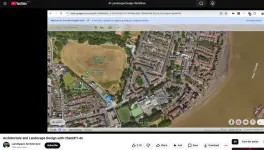
Search mo sa YT : architecture and landscape design by nano banana para madali.
Maraming free options naman dito sa forum sa nano banana (up to pro version) from prompts to generators + guides. Scan mo yung threads ni Diego Mendoza.
I assume, nasa engineering ka, so a single prompt is not enough. Pag-aralan mo yung architecture workflow ng AI na yan.
For the sample guide, ito yung procedure para mapadali ka:
1. Google mo: The Ultimate Nano Banana AI Prompt Guide for Architecture, Landscape, Urban, and Interior Design site:scribd.com
2. View and get the links you think is fit for your task.
3. Since mahirap makuha yan kung wala kang subscription sa Scribd, search for a reliable scribd downloader. Paste the link and download the file for Free. Easy!
Mas maganda kung pang-nanobanana pro yung guide.
For other AI you want to test, find the specific guide for it to work for architecture purposes.
Explore the branches of AI para malaman mo yung features na useful sa'yo from text-based generation (for prompts), image generation, atbp. Madali na ngayon dahil incorporated na sa mga platforms mga yan kaysa ikaw mag-integrate paisa-isa to function as an app. As a future engineer, you also need to know how they work. (Ang problema mo na lang ay kung saan ka mag-practice ng mga yan he he.)
Kuha mo na siguro yung idea ko.
Maraming free options naman dito sa forum sa nano banana (up to pro version) from prompts to generators + guides. Scan mo yung threads ni Diego Mendoza.
I assume, nasa engineering ka, so a single prompt is not enough. Pag-aralan mo yung architecture workflow ng AI na yan.
For the sample guide, ito yung procedure para mapadali ka:
1. Google mo: The Ultimate Nano Banana AI Prompt Guide for Architecture, Landscape, Urban, and Interior Design site:scribd.com
2. View and get the links you think is fit for your task.
3. Since mahirap makuha yan kung wala kang subscription sa Scribd, search for a reliable scribd downloader. Paste the link and download the file for Free. Easy!
Mas maganda kung pang-nanobanana pro yung guide.
For other AI you want to test, find the specific guide for it to work for architecture purposes.
Explore the branches of AI para malaman mo yung features na useful sa'yo from text-based generation (for prompts), image generation, atbp. Madali na ngayon dahil incorporated na sa mga platforms mga yan kaysa ikaw mag-integrate paisa-isa to function as an app. As a future engineer, you also need to know how they work. (Ang problema mo na lang ay kung saan ka mag-practice ng mga yan he he.)
Kuha mo na siguro yung idea ko.
Jigoku Shoujo Enma Ai
Honorary Poster
up ako dito binabantayan ko din to ahaha
frozenberyl
Eternal Poster
opo lods. nagka idea po ako . salamat potry nyo ung channel nya sa yt kulang kac mga prompt d lahat binigay hahaha
Similar threads
-
Graphic Design for Architectural Spaces | Ruedi Baur
- Started by CoursesToday
- Replies: 0
-
👨🏫 Tutorial Master 20+ AI Tools for Architecture & Interior Design
- Started by WSODownload
- Replies: 1
-
-
Twinmotion: Complete Course For Architectural Visualization
- Started by jomla5
- Replies: 1
-
🎓 Course [Udemy] AI For Digital Marketing: 107+ AI Tool For Digital Marketing | By: Being Commerce | DDL | 1.7 GB
- Started by AIMERSHIN
- Replies: 3
About this Thread
-
12Replies
-
557Views
-
6Participants
Last reply from:
frozenberyl
frozenberyl
New Topics
-
-
Holographic Dystopia: Futuristic Sci-Fi Metropolis Prompt
- Started by Beatriz9
- Replies: 0
- 🧠 Artificial Intelligence
-
Nakahanap din txt to video observe ku Muna kung tatagal
- Started by Kulotkalbo
- Replies: 0
- 🧠 Artificial Intelligence
-
DEEPSEEK JAIL BREAK v.2
- Started by seanwhun
- Replies: 4
- 🧠 Artificial Intelligence
-
Tip para sa mga laging nafa-flag ng AI detector (libre)
- Started by studywithmaya
- Replies: 0
- 🧠 Artificial Intelligence
-
LF: Manhwa Recap Prompt and Free Tools
- Started by kskyouya07
- Replies: 1
- 🧠 Artificial Intelligence
-
Muse.ai - Video Generation
- Started by aewrin
- Replies: 3
- 🧠 Artificial Intelligence
-
Paturo Video Gen
- Started by PHC - Goodboy
- Replies: 1
- 🧠 Artificial Intelligence
-
-
LF FOR ᑕᕼᗩTGᑭT GO
- Started by Vin_Vin
- Replies: 0
- 🧠 Artificial Intelligence
Trending Topics
Online now
- Members online
- 481
- Guests online
- 3,206
- Total visitors
- 3,687