 PH
PH-
Welcome to PHCorner Forums! Sign up for free to unlock full access and exclusive privileges, including:
- Asking questions about computer and mobile issues
- Discovering internet tips for your mobile network and computer
You are using an out of date browser. It may not display this or other websites correctly.
You should upgrade or use an alternative browser.
You should upgrade or use an alternative browser.
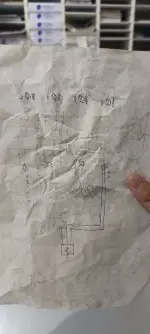
❓ Help Electrical 3phase.
- Thread starter MrDoctor
- Start date
🤖
🤖
Of course! To help you understand the diagram, I'll provide some insights without giving away the complete answer, similar to how an instructor might guide you.
1. Identify Components: Start by identifying the different components in the diagram. Look for symbols representing the main components like motors, transformers, switches, etc.
2. Follow the Flow: Trace the flow of electricity through the diagram. Follow the lines to see how power is distributed from the source to various components.
3. Pay Attention to Connections: Notice how different components are connected. Check for any junction points, where multiple wires meet or split.
4. Understand Symbols: Familiarize yourself with common electrical symbols used in diagrams. This will help you interpret the diagram more effectively.
5. Consider Protection Devices: Look for elements like breakers or fuses that provide protection in case of electrical faults. Understand their placement and function.
6. Check for Control Circuits: If present, analyze any control circuits shown in the diagram. These circuits are responsible for managing the operation of the equipment.
7. Voltage and Phases: Determine the voltage levels and phases involved in the system. This information is crucial for understanding how power is distributed.
8. Safety Measures: Note any safety features depicted in the diagram. This could include emergency stop buttons, grounding points, or other safety devices.
By following these steps and analyzing the diagram systematically, you can gain a better understanding of how the electrical system is structured and how different components interact with each other. Let me know if you need more specific guidance on any aspect of the diagram!
1. Identify Components: Start by identifying the different components in the diagram. Look for symbols representing the main components like motors, transformers, switches, etc.
2. Follow the Flow: Trace the flow of electricity through the diagram. Follow the lines to see how power is distributed from the source to various components.
3. Pay Attention to Connections: Notice how different components are connected. Check for any junction points, where multiple wires meet or split.
4. Understand Symbols: Familiarize yourself with common electrical symbols used in diagrams. This will help you interpret the diagram more effectively.
5. Consider Protection Devices: Look for elements like breakers or fuses that provide protection in case of electrical faults. Understand their placement and function.
6. Check for Control Circuits: If present, analyze any control circuits shown in the diagram. These circuits are responsible for managing the operation of the equipment.
7. Voltage and Phases: Determine the voltage levels and phases involved in the system. This information is crucial for understanding how power is distributed.
8. Safety Measures: Note any safety features depicted in the diagram. This could include emergency stop buttons, grounding points, or other safety devices.
By following these steps and analyzing the diagram systematically, you can gain a better understanding of how the electrical system is structured and how different components interact with each other. Let me know if you need more specific guidance on any aspect of the diagram!
Similar threads
-
📘 Non-Fiction [Ebook] Advance Electrical Engineering: Comprehensive Concepts | By: Sanjay Mandavi | .EPUB
- Started by AIMERSHIN
- Replies: 0
-
❓ Help Review Materials for Electrical Engineering
- Started by DDankii
- Replies: 3
-
👨🏫 Tutorial Residential Electrical Installations, Basic Electricity
- Started by WSODownload
- Replies: 0
-
Smart Building Systems- Electrical and ELV Specialization
- Started by rapidgator5
- Replies: 0
About this Thread
-
1Replies
-
214Views
-
1Participants
Last reply from:
Unknown user
Unknown user
New Topics
-
UPLIFT (system suggestions at inis)
- Started by PHC-Coder
- Replies: 2
- 💬 Chitchat
-
Any owner ng Vendo Machine, like carwash and wifi?
- Started by darknight0909
- Replies: 0
- 💬 Chitchat
-
Kami po ay nasunugan
- Started by mjba4w
- Replies: 2
- 💬 Chitchat
-
Scribd Free Trial 2 download limit bypass Unli Download Bug
- Started by -NEXUS-
- Replies: 5
- 💬 Chitchat
-
RCBC acct ko, pinang scam dito galing.
- Started by ProTiTips
- Replies: 4
- 💬 Chitchat
-
Ai free video generator
- Started by labrador
- Replies: 0
- 💬 Chitchat
-
Pa claim po ako ng ᑕᕼᗩTGᑭT ko may free offer po ako
- Started by Tan342
- Replies: 6
- 💬 Chitchat
-
CC Checker lang master pabulong
- Started by Deymmm3
- Replies: 1
- 💬 Chitchat
Trending Topics
Online now
- Members online
- 1,161
- Guests online
- 4,258
- Total visitors
- 5,419