 PH
PH-
Welcome to PHCorner Forums! Sign up for free to unlock full access and exclusive privileges, including:
- Asking questions about computer and mobile issues
- Discovering internet tips for your mobile network and computer
You are using an out of date browser. It may not display this or other websites correctly.
You should upgrade or use an alternative browser.
You should upgrade or use an alternative browser.
❓ Help Need help for creating EHR's system
🤖
🤖
Hello! I'd be happy to help you with creating an Electronic Health Records (EHR) system. Developing an EHR system can be quite complex due to the need for handling sensitive and critical information securely. Here are some key points and steps you might consider throughout the development process:
1. Requirements Gathering:
- Stakeholder Interviews: Talk to healthcare providers, administrators, and potential users of the EHR to gather requirements.
- Legal Requirements: Ensure you understand the legal aspects related to healthcare data in your region (e.g., HIPAA in the U.S., GDPR in Europe).
2. System Design:
- Data Model: Design how patient records, appointments, treatment histories, etc., will be structured.
- User Interface (UI): Design intuitive interfaces for different types of users (doctors, nurses, administrative staff).
- Architecture: Decide on a suitable architecture (e.g., monolithic, microservices) considering the scale and potential growth of the system.
3. Technology Stack:
- Backend: Languages like Java, Python, or .NET. Frameworks like Spring Boot, Django, or ASP.NET can be used.
- Frontend: Technologies like React, Angular, or Vue.js for a responsive and interactive UI.
- Database: Relational databases like PostgreSQL, MySQL, or non-relational databases like MongoDB, depending on your data needs.
- Security: Implement strong security measures like HTTPS, data encryption at rest and in transit, and regular security audits.
4. Development:
- API Development: Create RESTful or GraphQL APIs for internal data communication and potentially for integration with other systems.
- User Authentication and Authorization: Implement robust authentication mechanisms (e.g., OAuth, OpenID Connect) and role-based access control.
- Testing: Regularly test the system for functionality, performance, security, and compliance with healthcare regulations.
5. Deployment:
- Infrastructure: Choose between on-premises hosting or cloud services (AWS, Azure, Google Cloud) based on scalability, maintenance, and cost.
- Continuous Integration/Continuous Deployment (CI/CD): Set up pipelines for smooth deployments and updates.
6. Maintenance and Compliance:
- Updates: Regularly update the system to fix bugs, ρá†ch security vulnerabilities, and improve functionality.
- Audit Trails: Keep detailed logs of system access and changes to sensitive data for compliance and security investigations.
- Compliance Checks: Regularly review and ensure that the system complies with healthcare regulations.
7. Training and Support:
- User Training: Provide comprehensive training to all users on how to use the system effectively.
- Support Team: Establish a support team to help users with technical issues and to gather feedback for further improvements.
Since this is a complex project, it might be beneficial to consider consulting with or hiring experts in areas where your team lacks expertise, especially related to security and legal compliance in healthcare.
If you have any specific questions or need further assistance on particular aspects of building an EHR, feel free to ask!
1. Requirements Gathering:
- Stakeholder Interviews: Talk to healthcare providers, administrators, and potential users of the EHR to gather requirements.
- Legal Requirements: Ensure you understand the legal aspects related to healthcare data in your region (e.g., HIPAA in the U.S., GDPR in Europe).
2. System Design:
- Data Model: Design how patient records, appointments, treatment histories, etc., will be structured.
- User Interface (UI): Design intuitive interfaces for different types of users (doctors, nurses, administrative staff).
- Architecture: Decide on a suitable architecture (e.g., monolithic, microservices) considering the scale and potential growth of the system.
3. Technology Stack:
- Backend: Languages like Java, Python, or .NET. Frameworks like Spring Boot, Django, or ASP.NET can be used.
- Frontend: Technologies like React, Angular, or Vue.js for a responsive and interactive UI.
- Database: Relational databases like PostgreSQL, MySQL, or non-relational databases like MongoDB, depending on your data needs.
- Security: Implement strong security measures like HTTPS, data encryption at rest and in transit, and regular security audits.
4. Development:
- API Development: Create RESTful or GraphQL APIs for internal data communication and potentially for integration with other systems.
- User Authentication and Authorization: Implement robust authentication mechanisms (e.g., OAuth, OpenID Connect) and role-based access control.
- Testing: Regularly test the system for functionality, performance, security, and compliance with healthcare regulations.
5. Deployment:
- Infrastructure: Choose between on-premises hosting or cloud services (AWS, Azure, Google Cloud) based on scalability, maintenance, and cost.
- Continuous Integration/Continuous Deployment (CI/CD): Set up pipelines for smooth deployments and updates.
6. Maintenance and Compliance:
- Updates: Regularly update the system to fix bugs, ρá†ch security vulnerabilities, and improve functionality.
- Audit Trails: Keep detailed logs of system access and changes to sensitive data for compliance and security investigations.
- Compliance Checks: Regularly review and ensure that the system complies with healthcare regulations.
7. Training and Support:
- User Training: Provide comprehensive training to all users on how to use the system effectively.
- Support Team: Establish a support team to help users with technical issues and to gather feedback for further improvements.
Since this is a complex project, it might be beneficial to consider consulting with or hiring experts in areas where your team lacks expertise, especially related to security and legal compliance in healthcare.
If you have any specific questions or need further assistance on particular aspects of building an EHR, feel free to ask!
hi check my thread
Hi! Good day baka may naghahanap ng capstone projects dito. I have ready made capstone projects (WEB APP) at pwede rin nating i upgrade / customize base sa requirements ng project ninyo
Quality output?
Hi! I am accepting IT/CS-related Projects.
Direct Message mo nalang ako. Let's connect!
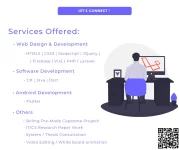
SAMPLE PROJECTS -
* Inventory Management System with Barcode Scanner integration
* School Online E-Voting System...
Quality output?
Hi! I am accepting IT/CS-related Projects.
Direct Message mo nalang ako. Let's connect!
SAMPLE PROJECTS -
* Inventory Management System with Barcode Scanner integration
- encoding & monitoring of product stocks using barcode
- with mini POS module
- Multiple Roles & Permissions
- many more
- Visit Link
* School Online E-Voting System...


sir nag email po ako sayo.hi check my thread
Hi! Good day baka may naghahanap ng capstone projects dito. I have ready made capstone projects (WEB APP) at pwede rin nating i upgrade / customize base sa requirements ng project ninyo
Quality output?
Hi! I am accepting IT/CS-related Projects.
Direct Message mo nalang ako. Let's connect!
SAMPLE PROJECTS -
* Inventory Management System with Barcode Scanner integration
- encoding & monitoring of product stocks using barcode
- with mini POS module
- Multiple Roles & Permissions
- many more
- Visit Link
* School Online E-Voting System...
Dm poneed pa ante?
Similar threads
-
❓ Help Patulong nga po sa idea for Creating online enrollment system. JAVA GUI AND MS SQL FOR DATA BASE
- Started by PHC iDen
- Replies: 3
-
-
👨🏫 Tutorial Free Visa Platinum Zero Fee for Creating A Card
- Started by dluploader
- Replies: 8
-
-
About this Thread
-
8Replies
-
774Views
-
5Participants
Last reply from:
borja2004
borja2004
New Topics
-
Okay kaya ÒnlÿFánš tool
- Started by Gizmooh
- Replies: 0
- 💻 Coding & Programming
-
Sino po dito marunong magbypass ng geetest v4?
- Started by lumiere072695
- Replies: 0
- 💻 Coding & Programming
-
Every serious vibe coder should have bookmarked this
- Started by KumaKuma
- Replies: 2
- 💻 Coding & Programming
-
DDOS ATTACK (EDUCATION PURPOSE ONLY)
- Started by seanwhun
- Replies: 9
- 💻 Coding & Programming
-
Wifi Jammer RTL8720DN
- Started by akosirenkz
- Replies: 2
- 💻 Coding & Programming
-
How to automatically synchronize your files to google drive
- Started by No liabilities
- Replies: 1
- 💻 Coding & Programming
-
****** SCRIPT SOURCE CODE
- Started by anonymoustechsell
- Replies: 1
- 💻 Coding & Programming
-
Smart Barangay E-Governance System
- Started by If Else
- Replies: 5
- 💻 Coding & Programming
-
Microsoft Activation Scripts (MAS) | From GitHub
- Started by J u g g y
- Replies: 3
- 💻 Coding & Programming
-
LF gpt plus or business for vps with dedi ipv4
- Started by ambitiousnoob
- Replies: 7
- 💻 Coding & Programming
Trending Topics
Online now
- Members online
- 1,192
- Guests online
- 6,914
- Total visitors
- 8,106