PH
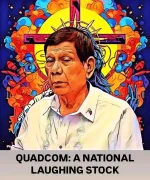
PH𝘿𝙪𝙩𝙚𝙧𝙩𝙚'𝙨 "𝘾𝙧𝙪𝙘𝙞𝙛𝙞𝙭𝙞𝙤𝙣" 𝙏𝙪𝙧𝙣𝙨 𝙌𝙪𝙖𝙙𝘾𝙤𝙢 𝙞𝙣𝙩𝙤 𝙖 𝙉𝙖𝙩𝙞𝙤𝙣𝙖𝙡 𝙇𝙖𝙪𝙜𝙝𝙞𝙣𝙜 𝙎𝙩𝙤𝙘𝙠
Editorial: Tio Moreno
The ongoing QuadCom hearing on former President Duterte's War on Drugs has inadvertently highlighted the incompetence of many members of the committee. Their lack of understanding of basic parliamentary rules, the law, and even the 1987 Philippine Constitution has been glaringly exposed.
Take, for example:
 Arlene Brosas' Questioning Style
Arlene Brosas attempted to limit former President Duterte’s answers to "Yes" or "No," despite the fact that this inquiry is conducted in aid of legislation. Such inquiries require comprehensive answers, not simplistic responses. By restricting the discussion, she failed to uphold the purpose of the investigation: to gather detailed information for lawmaking.
Dan Fernandez and the Dismissed Policemen
Dan Fernandez raised the issue of dismissed policemen, but failed to acknowledge or understand the reasons behind their dismissal. It is crucial to examine the context of these cases—whether they were dismissed due to misconduct, involvement in criminal activities, or other legal violations—before discussing them in such a broad manner.
Jay Khonghun and Collateral Damage
Jay Khonghun brought up the issue of collateral damage, yet he insists on holding Duterte accountable for it. While collateral damage is an unfortunate consequence in certain operations, accountability for unintended harm should be considered in the context of the operation’s legality and proportionality. Khonghun’s call for responsibility lacks a clear understanding of how collateral damage is evaluated under the law.
Raoul Manuel and Intelligence Funds
Raoul Manuel demanded that the former president address intelligence and confidential funds. However, the very nature of these funds is to remain discreet, and their usage is governed by specific laws that already define their purpose and limits. Asking Duterte to discuss these funds publicly shows a misunderstanding of the sensitive nature of such resources.
Benny Abante and His Homily
Benny Abante’s comments during the hearing resembled a Sunday sermon more than a serious legislative inquiry, as he quoted Bible verses with a focus on topics like hell, echoing some of Duterte’s own intense rhetoric.
France Castro and Her Ignorance of the Law
France Castro addressed the elements of self-defense, outlining its basic principles. However, her points lacked depth, as she seemed to overlook key legal cases that clarify how self-defense is applied in real situations. Duterte had previously argued that police officers can claim self-defense when performing their legal duties and facing legitimate threats from suspects.
Jinky Luistro Should Try Harder
Jinky Luistro discussed conspiracy theories and the concept of principal offenders in crimes but appeared unaware that the president has the authority to set policies. Congress approved the War on Drugs, giving it legal validity. Since this policy wasn’t ruled unconstitutional, Duterte has a presumption of regularity in his orders, which protects him from liability solely for initiating the campaign.
Rodge Gutierrez Got the Point But Failed Big Time
Rodge Rodriguez highlighted the need for accountability regarding the War on Drugs policy but weakened his argument by insisting that Duterte should be held responsible for every individual crime committed during his term. He overlooked the principle of personal guilt, which Duterte himself stressed, meaning that accountability for a crime cannot simply be transferred from one person to another.
Many other speakers simply echoed long-standing allegations of Duterte, repeating arguments made in previous Senate hearings and in statements by figures like Leila de Lima, now resurfacing in the QuadCom hearings.
This "QUACK" hearing, intended to crucify Duterte, actually revealed the committee's INCOMPETENCE to bring substantial cases against him. The cases they mentioned are inconsistent and lack sufficient evidence for conviction.
Despite numerous sessions, the House of Representatives has yet to take any legislative action on these issues. This highlights the need for those in authority to better understand their roles and responsibilities, ensuring that such inquiries serve their core purpose: effective lawmaking.
One thing remains clear: QuadCom is not a court, and it has no power to convict Duterte. These repeated hearings have only served to turn the committee into a national laughing stock.
Editorial: Tio Moreno
The ongoing QuadCom hearing on former President Duterte's War on Drugs has inadvertently highlighted the incompetence of many members of the committee. Their lack of understanding of basic parliamentary rules, the law, and even the 1987 Philippine Constitution has been glaringly exposed.
Take, for example:
Arlene Brosas' Questioning StyleArlene Brosas attempted to limit former President Duterte’s answers to "Yes" or "No," despite the fact that this inquiry is conducted in aid of legislation. Such inquiries require comprehensive answers, not simplistic responses. By restricting the discussion, she failed to uphold the purpose of the investigation: to gather detailed information for lawmaking.
Dan Fernandez and the Dismissed PolicemenDan Fernandez raised the issue of dismissed policemen, but failed to acknowledge or understand the reasons behind their dismissal. It is crucial to examine the context of these cases—whether they were dismissed due to misconduct, involvement in criminal activities, or other legal violations—before discussing them in such a broad manner.
Jay Khonghun and Collateral DamageJay Khonghun brought up the issue of collateral damage, yet he insists on holding Duterte accountable for it. While collateral damage is an unfortunate consequence in certain operations, accountability for unintended harm should be considered in the context of the operation’s legality and proportionality. Khonghun’s call for responsibility lacks a clear understanding of how collateral damage is evaluated under the law.
Raoul Manuel and Intelligence FundsRaoul Manuel demanded that the former president address intelligence and confidential funds. However, the very nature of these funds is to remain discreet, and their usage is governed by specific laws that already define their purpose and limits. Asking Duterte to discuss these funds publicly shows a misunderstanding of the sensitive nature of such resources.
Benny Abante and His HomilyBenny Abante’s comments during the hearing resembled a Sunday sermon more than a serious legislative inquiry, as he quoted Bible verses with a focus on topics like hell, echoing some of Duterte’s own intense rhetoric.
France Castro and Her Ignorance of the LawFrance Castro addressed the elements of self-defense, outlining its basic principles. However, her points lacked depth, as she seemed to overlook key legal cases that clarify how self-defense is applied in real situations. Duterte had previously argued that police officers can claim self-defense when performing their legal duties and facing legitimate threats from suspects.
Jinky Luistro Should Try HarderJinky Luistro discussed conspiracy theories and the concept of principal offenders in crimes but appeared unaware that the president has the authority to set policies. Congress approved the War on Drugs, giving it legal validity. Since this policy wasn’t ruled unconstitutional, Duterte has a presumption of regularity in his orders, which protects him from liability solely for initiating the campaign.
Rodge Gutierrez Got the Point But Failed Big TimeRodge Rodriguez highlighted the need for accountability regarding the War on Drugs policy but weakened his argument by insisting that Duterte should be held responsible for every individual crime committed during his term. He overlooked the principle of personal guilt, which Duterte himself stressed, meaning that accountability for a crime cannot simply be transferred from one person to another.
Many other speakers simply echoed long-standing allegations of Duterte, repeating arguments made in previous Senate hearings and in statements by figures like Leila de Lima, now resurfacing in the QuadCom hearings.This "QUACK" hearing, intended to crucify Duterte, actually revealed the committee's INCOMPETENCE to bring substantial cases against him. The cases they mentioned are inconsistent and lack sufficient evidence for conviction.
Despite numerous sessions, the House of Representatives has yet to take any legislative action on these issues. This highlights the need for those in authority to better understand their roles and responsibilities, ensuring that such inquiries serve their core purpose: effective lawmaking.
One thing remains clear: QuadCom is not a court, and it has no power to convict Duterte. These repeated hearings have only served to turn the committee into a national laughing stock.