PH
PH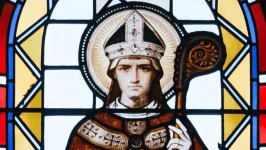
The prophetic texts of Saint Malachy
Popular beliefs, superstitions, call it what you will. Prophecies are present in all cultures. In the Catholic tradition, those of St. Malachy are as infamous as they are controversial. That's because they supposedly reveal when the end of the world will be. And it's said to be very close...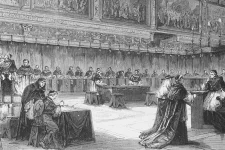
Prophecy of the Popes
Saint Malachy of Armagh (the Irish city where he was born) is allegedly the author of prophetic texts that surfaced five centuries after his death in 1595. They are called the 'Prophecy of the Popes'.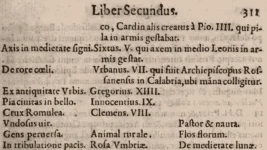
112 sentences
The text is composed of 112 short sentences in Latin that, according to some interpretations, anticipate the future and even predict the end of time. They talk about what each Pope of the Catholic Church will be like until the last one, after which the Apocalypse would come.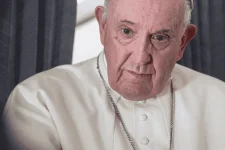
Peter the Roman, 'the last Pope'
Saint Malachy wrote his 111 sentences and added another one at the end about who would be the last Pope before Armageddon. He refers to him as 'Peter the Roman'. Some people have wondered if this is Pope Francis.The names Francis and Peter don't look the same at all, but prophetic texts are often written in code and experts have been trying to decipher them by dissimulation.
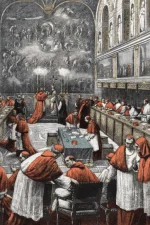
No Pope wanted to be called Peter
Popes have taken the prophecy of Malachy so seriously, that not a single pope has chosen the name of Peter. They believe it is a way to avoid the prophecy of Malachy from being fulfilled.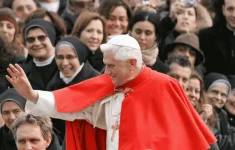
Benedict XVI was the penultimate pope on Malachy's list
It is believed that, according to the text of Saint Malachy, the penultimate Pope would have been Benedict XVI. His successor would therefore be the one to close the cycle. And that's where the terrible premonition comes in.
A prophecy in Latin
Saint Malachy's sentence 112 states in Latin that, "in the final persecution of the Holy Roman Church, there will reign Peter the Roman, who will feed his flock amid many tribulations, after which the seven-hilled city will be destroyed and the dreadful Judge will judge the people. The End."An apocryphal text appeared in Venice
However, there are many historians who claim that St. Malachy's prophecy is not really his. The text appeared nearly five hundred years after the saint's death and was published in Venice by the French Benedictine monk Arnold of Wyon, who claimed to have found it by researching the archives of his order.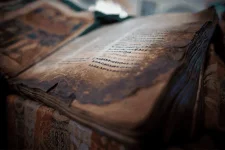
Spiritual metaphors
Prophetic and religious texts are often a type of poems filled with spiritual metaphors. People interpret them as a warning of dangers to come, but these interpretations can be vague. In fact, the end of the world has been predicted and postponed on several occasions...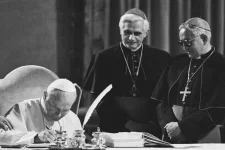
What does the Catholic Church say about Malachy's prophesy?
Generally, the Catholic Church has maintained some ambiguity regarding St. Malachy's prophecy. It allows predictions like his and others, but Pope Benedict XVI recommended to the Congregation for the Doctrine of the Faith that they never make a literal interpretation.Pope Francis doesn't believe it
As for Pope Francis, his modern style does not match a taste for ancient prophetic texts.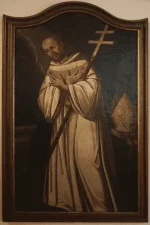
Yet, Malachy got other things right
Saint Malachy, born in Ireland, reportedly had one of his prophecies fulfilled. According to interpreters of his work, he said that his island would be dominated by the English, causing much suffering. This text, supposedly discovered by a French monk in the 18th century, does make sense in the light of the past centuries of English and Irish history.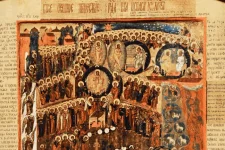
The Apocalypse of Saint John
Perhaps the most frightening and beautiful prophetic text is the Apocalypse by St. John. It supposedly describes the end of time, and many religious Christians look to it for an indication of when this will happen.