PH
PH-
Welcome to PHCorner Forums! Sign up for free to unlock full access and exclusive privileges, including:
- Asking questions about computer and mobile issues
- Discovering internet tips for your mobile network and computer
Beatriz9's latest activity
-
BBeatriz9 replied to the thread 🏷️ For Sale 10,000 FACEBOOK FOLLOWERS | HIGH QUALITY | PRICE DROP PROMO | NOT BOT.Still available po. Open
-
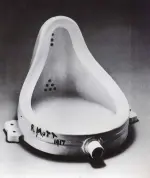
BBeatriz9 posted the thread ✍️ Arts/Lit One of Modern Art's Most Famous Works Was an Ordinary Urinal in 🤝 Social & Personal.In 1917, an object signed “R. Mutt” was submitted to an art exhibition in New York. The object was a commercially manufactured porcelain urinal turned on its side and titled Fountain. It became associated with artist Marcel Duchamp and his...
-
-
BBeatriz9 posted the thread ✍️ Arts/Lit An Artist Used Octopus Ink, Coffee, Insects and Studio Dust in His Art in 🤝 Social & Personal.Jack Whitten didn't restrict himself to ordinary paint. MoMA documents an extraordinary range of unconventional materials that appeared in his work. They included octopus and cuttlefish ink, coffee, herbs, walnuts, insects, recycled glass...
-
-
BBeatriz9 posted the thread ✍️ Arts/Lit Some Renaissance Portraits Were Actually Designed to Hide the Person's Face in 🤝 Social & Personal.Today, portraits are usually displayed so the subject is always visible. During the Renaissance, however, some private portraits were deliberately made with hinged or sliding covers that concealed the sitter. Others were double-sided, placed...
-
-
BBeatriz9 replied to the thread 🏷️ For Sale TIKTOK FOLLOWERS BOOSTING HUB | FOR ONLY 45PESOS.Nag message po ako. Dm
-
BBeatriz9 replied to the thread 🏷️ For Sale TIKTOK FOLLOWERS BOOSTING HUB | FOR ONLY 45PESOS.Open and available po
-
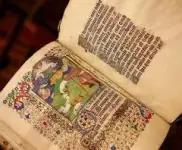
BBeatriz9 posted the thread ✍️ Arts/Lit Some Medieval Books Were Literally Made From Animal Skin in 🤝 Social & Personal.Before inexpensive paper became widespread in Europe, many books were written on parchment. Parchment was generally produced from prepared animal skins, commonly those of sheep, goats, or calves. Especially fine material made from calfskin is...
-
-
BBeatriz9 replied to the thread 🏷️ For Sale HIGH QUALITY | Social Media Boosting Hub (TIKTOK, FACEBOOK, & INSTAGRAM) NOT BOT.1k HIGH QUALITY FOLLOWERS, done. Mins. process only. Tysm po. 💞 (NOT BOT)
-