PH
PH-
Welcome to PHCorner Forums! Sign up for free to unlock full access and exclusive privileges, including:
- Asking questions about computer and mobile issues
- Discovering internet tips for your mobile network and computer
Beatriz9's latest activity
-
BBeatriz9 posted the thread 🍔 Food · Travel Taking Photos Can Either Help or Hurt the Memory of a Trip in 🚲 Lifestyle & Recreation.Photography doesn't affect memory in only one direction. Constantly taking pictures without paying much attention to the scene can reduce memory for certain details. However, deliberately choosing what to photograph—especially specific...
-
-
BBeatriz9 posted the thread 💡 Trivia Rewatching a Favorite Movie Can Be More Relaxing Than Starting a New One in 🚲 Lifestyle & Recreation.Knowing what happens next removes some of the uncertainty involved in watching something unfamiliar. Familiar entertainment can provide predictability while still delivering emotions and moments someone already enjoys. Research on repeated...
-
-
BBeatriz9 posted the thread 🍔 Food · Travel Familiar Music Can Make a Journey Feel Shorter in 🚲 Lifestyle & Recreation.The way people experience travel time isn't determined only by the clock. Attention and enjoyment can influence how long a journey feels. Listening to enjoyable music can shift attention away from repeatedly monitoring time, particularly during...
-
-
BBeatriz9 replied to the thread 🎁 Giveaways TIDAL INDIVIDUAL w/ DJ EXTENSION | 1 MONTH #67.Walapong anuman sir. Enjoy!
-
BBeatriz9 posted the thread 🐾 Pets · Plants Spending Time in Green Spaces Can Support Well-Being in 🚲 Lifestyle & Recreation.Parks, gardens, forests, and other green spaces provide more than somewhere to exercise. Research has associated exposure to natural environments with benefits including relaxation, physical activity, social interaction, and improved well-being...
-
-
BBeatriz9 replied to the thread 🎁 Giveaways TIDAL INDIVIDUAL w/ DJ EXTENSION | 1 MONTH #67.Use password po. Anjan po sa ibaba may nakalagay
-
BBeatriz9 posted the thread 🎁 Giveaways TIDAL INDIVIDUAL w/ DJ EXTENSION | 1 MONTH #67 in 🆓 Freemium Access.Hidden content Please feedback na lang po :HyperNekoCrazy: No feedback = auto bawi
-
-
BBeatriz9 replied to the thread 🏷️ For Sale TIKTOK FOLLOWERS BOOSTING HUB | FOR ONLY 45PESOS.100 HIGH QUALITY FOLLOWERS, done. Tysm po 💕. (NOT BOT)
-
-
BBeatriz9 replied to the thread 🎁 Giveaways Grammarly Pro | 1 WEEK #4.Walapong anuman sir
-
BBeatriz9 replied to the thread 🎁 Giveaways DUOLINGO SUPER | 1 WEEK #23.Walapong anuman. Enjoy!
-
BHidden content Please feedback. Thank you. 💕
-
-
BHidden content Please feedback na lang po :HyperNekoCrazy: No feedback = auto bawi
-
-
BBeatriz9 replied to the thread 🎁 Giveaways DUOLINGO SUPER | 1 WEEK #26.You're welcome po. Enjoy!
-
BHidden content Please feedback na lang po :HyperNekoCrazy: No feedback = auto bawi
-
-
BBeatriz9 posted the thread 💡 Trivia Morning Sunlight Helps Set the Body's Daily Clock in 🚲 Lifestyle & Recreation.Getting natural light in the morning helps synchronize the body's circadian rhythm, the internal system that influences sleep and wakefulness throughout the day. Morning light signals that daytime has begun and helps regulate the timing of...
-
-
BBeatriz9 posted the thread 💡 Trivia Short Walk After Eating Can Be Surprisingly Useful in 🚲 Lifestyle & Recreation.Physical activity doesn't always need to mean a full workout. Even light walking after a meal encourages muscles to use glucose for energy. Research has found that short periods of walking after meals can help moderate the rise in blood sugar...
-
-
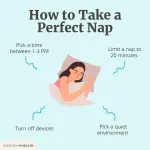
BA short nap of around 20 minutes can improve alertness without taking someone too deeply into sleep. As a nap gets longer, the brain can enter deeper stages of sleep. Waking during deeper sleep can cause sleep inertia—that heavy, confused, “Why...
-
-
BBeatriz9 replied to the thread 🎁 Giveaways DUOLINGO SUPER | 1 WEEK #24.You're welcome po. Enjoy!
-
BBeatriz9 replied to the thread 🎁 Giveaways DUOLINGO SUPER | 1 WEEK #25.Go po. Yours na agad kapag napalitan mo po pw hehe