PH
PH-
Welcome to PHCorner Forums! Sign up for free to unlock full access and exclusive privileges, including:
- Asking questions about computer and mobile issues
- Discovering internet tips for your mobile network and computer
Beatriz9's latest activity
-
BBeatriz9 replied to the thread 🔒 Closed Closed na puu ituu.1k HIGH QUALITY followers, mins process only. NOT BOT. Tysm 💞
-
-
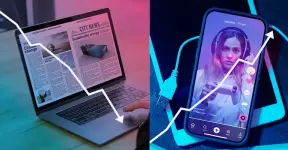
BUnlike traditional media, social media allows a single post to reach millions of people in a very short time. If enough users like, comment, and share a post, platform algorithms may recommend it to even more people. This is why ordinary...
-
-
BBeatriz9 replied to the thread 💡 Trivia Short Videos Changed the Way People Watch Content.Totoo po. Hindi na lahat ng information nakukuha nila. :AYAYASip:
-
BBeatriz9 posted the thread 💡 Trivia Short Videos Changed the Way People Watch Content in 💬 Chitchat.Short-form videos have transformed the way people consume content online. Platforms like TikTok, Instagram Reels, and YouTube Shorts made it possible to watch dozens of videos in just a few minutes. Because these clips are quick and easy to...
-
-
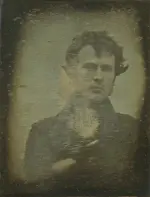
BThe idea of taking selfies isn't new. The world's first known photographic selfie was taken in 1839 by Robert Cornelius. He set up his camera, removed the lens cap, ran into the frame, stayed still for about a minute, and then covered the lens...
-
-
BTikTok first launched in China in 2016 under the name Douyin. A year later, its international version was released as TikTok, while Douyin continued operating separately in China. Although the two apps look similar, they run on different systems...
-
-
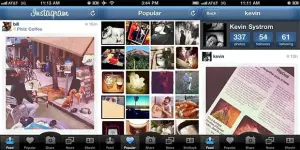
BBefore becoming a photo-sharing platform, Instagram started as an app called Burbn. It included location check-ins, plans, and other features, but users mainly enjoyed sharing photos. The founders simplified the app by removing everything except...
-
-
BBeatriz9 posted the thread 💡 Trivia The Facebook "Like" Button Didn't Exist at Launch in 💬 Chitchat.When Facebook launched in 2004, there was no Like button. Users could only comment on posts to interact with them. The iconic Like button wasn't introduced until 2009, making it easier for people to quickly react to content. Since then, billions...
-
-
BBeatriz9 posted the thread 💡 Trivia The First Social Media Platform Was Created in 1997 in 💬 Chitchat.The first recognizable social media platform was SixDegrees.com, launched in 1997. It allowed users to create profiles, add friends, and send messages—features that later became standard on modern social networks. Although it shut down in 2001...
-
-
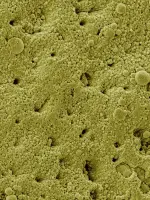
BAn eggshell may look solid, but it contains 7,000 to 17,000 microscopic pores. These tiny openings allow oxygen to enter and carbon dioxide and moisture to leave, helping a developing chick breathe inside the egg. To protect the egg, the shell is...
-
-
BBeatriz9 replied to the thread 🎁 Giveaways STUDOCU 1 YEAR PREMIUM PLAN [For Student].Thank you po sir
-
BBeatriz9 replied to the thread 🎁 Giveaways STUDOCU 1 YEAR PREMIUM PLAN [For Student] #2.Thank you sa support sir
-
BBeatriz9 replied to the thread 🎁 Giveaways STUDOCU 1 YEAR PREMIUM PLAN [For Student] #3.Salamat po sa palaging support
-
BBeatriz9 replied to the thread 🔒 Closed Closed na puu ituu.Open and available po. (NOT BOT)
-
BBeatriz9 replied to the thread 🤝 Sold Not available na po.1k HIGH QUALITY followers, done. Mins. process only. Tysm po💕 (NOT BOT)
-
-
BBeatriz9 replied to the thread 🏷️ For Sale PRICE DROP!! MLBB DISCOUNTED DIAMONDS [and other game credits].Thank you po sir. Balik po kayo 🥰
-
BBeatriz9 replied to the thread 🏷️ For Sale PRICE DROP!! MLBB DISCOUNTED DIAMONDS [and other game credits].Thank you for trusting po 💞