 PH
PH-
Welcome to PHCorner Forums! Sign up for free to unlock full access and exclusive privileges, including:
- Asking questions about computer and mobile issues
- Discovering internet tips for your mobile network and computer
You are using an out of date browser. It may not display this or other websites correctly.
You should upgrade or use an alternative browser.
You should upgrade or use an alternative browser.
- Status
- Not open for further replies.
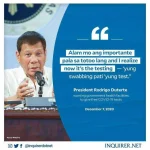
 , ano nanaman kaya rason ni Roque, k bye!
TS
TS
Fried Rice
master tektexian haha
Delta India Charlie Kilo
Forum Guru
Minds games yung galawan? or sadya lang na wala talagang silbi si Harry?
TS
TS
Fried Rice
nalilito naman ata si harry sa ginagawa ni master tactician hahaha
pinagsasabi niya yan dahil cguro walang darating na vaccine galing sa china. niloko naman siya.
pinagsasabi niya yan dahil cguro walang darating na vaccine galing sa china. niloko naman siya.
Delta India Charlie Kilo
Forum Guru
He's pulling the passive aggressive sarcastic pinoy stereotype card, kung mind games talaga laro nya sa ganyan statement.
Ganyan talaga magsalita ang mga Lolo. Nakasanayan ko na siguro. Ang sakit lang sa taynga pakinggan dahil he's admitting a mistake like he's not aware of it. Sa natatandaan ko, ang dami ng rin termino akong narinig sa panig gobyerno tulad ng Emerging and Re-emerging Infectious Disease Program, 5K Strategy, IMPLEMENT REPUBLIC ACT 11332 TO PREVENT EPIDEMICS, "Disaster Preparedness and Risk for Real Change" c/o Executive Order No. 29 of June 28, 2017, ACCELERATE HEALTH TECHNOLOGY ASSESSMENT as part of its pursuit of Universal Health Care (UHC)…..at marami pang iba bago pa man mag-umpisa yang pandemya. Sa COVID-19, halos walang nagawa ang mga yan - sa papel lang.
It’s always a question of preparedness and implementation of strategies. Hindi ako sa medical field, pero kahit saan ka man siguro lumagay, yung quick analysis and correct approach to troubleshoot a problem always become a key factor. Our accomplishments against a new epidemic (w/o a vaccine) just shows our level of capabilities at the moment. Blaming is normal, but it still doesn't help. Sa’kin lang, di na kailangan pang ilabas sa bibig ni PRRD yan. It's a known fact. So just do what you have to do.
Sa ngayon (now that the vaccines are coming), para na nga lang common flu/influenza yung SARS-COV2 dahil halos parehas na ang statistics nilang dalawa - do the math! Yung psychology na lang ng isip ng tao ang dapat i-transition while keeping the pandemic contained during the next long vaccine distribution. Kaya kung umabot pa ng +500k yung infections doesn't really matter dahil kasama na yan sa next forecast natin, basta ma-maintain natin yung downtrend ng "active" cases.
It’s always a question of preparedness and implementation of strategies. Hindi ako sa medical field, pero kahit saan ka man siguro lumagay, yung quick analysis and correct approach to troubleshoot a problem always become a key factor. Our accomplishments against a new epidemic (w/o a vaccine) just shows our level of capabilities at the moment. Blaming is normal, but it still doesn't help. Sa’kin lang, di na kailangan pang ilabas sa bibig ni PRRD yan. It's a known fact. So just do what you have to do.
Sa ngayon (now that the vaccines are coming), para na nga lang common flu/influenza yung SARS-COV2 dahil halos parehas na ang statistics nilang dalawa - do the math! Yung psychology na lang ng isip ng tao ang dapat i-transition while keeping the pandemic contained during the next long vaccine distribution. Kaya kung umabot pa ng +500k yung infections doesn't really matter dahil kasama na yan sa next forecast natin, basta ma-maintain natin yung downtrend ng "active" cases.
TS
TS
Fried Rice
arrogance ang nangyari, may mga recommendation na lakasan ang testing, di pa rin ginawa.
blaming helps alot, kitang kita mo sa post mismo pero huli na narealize, yan ang malaking problema yung mindset na "Blaming is normal, but it still doesn't help.", sa sobrang tahimik tumagal nang sobra bago ma realize ng mga aroganteng namumuno ang pagkakamali. ang gawain na yan ay uulitin at uulitin kung mananatiling tahimik tayo.
dumating na nga yung solusyon sa problemang to, pero diyan pa rin yung pagkakamali. diyan pa rin yung mga namatay.
di niya pinigilan yung mga flights galing china, kahit maging responsable naman sana.
sabi mo rin naman last time na "Ang gobyerno naman ay hindi aaminin yung kanilang pagkakamali"
blaming helps alot, kitang kita mo sa post mismo pero huli na narealize, yan ang malaking problema yung mindset na "Blaming is normal, but it still doesn't help.", sa sobrang tahimik tumagal nang sobra bago ma realize ng mga aroganteng namumuno ang pagkakamali. ang gawain na yan ay uulitin at uulitin kung mananatiling tahimik tayo.
dumating na nga yung solusyon sa problemang to, pero diyan pa rin yung pagkakamali. diyan pa rin yung mga namatay.
di niya pinigilan yung mga flights galing china, kahit maging responsable naman sana.
sabi mo rin naman last time na "Ang gobyerno naman ay hindi aaminin yung kanilang pagkakamali"
TS
TS
Fried Rice
buti di ka fanatic paps  , pero wag tayong sobrang faithful sa taong maraming fk ups sa pamumuno niya.
, pero wag tayong sobrang faithful sa taong maraming fk ups sa pamumuno niya.I understand your side. Kaya ko lang sinabi yon, realistically speaking, our pandemic condition is an overall result of government intervention/mitigation measures, their timing/effectiveness and full support of the community. There are so many factors to consider, hindi lang yang testing/swabbing. Yet the government should have better control right from the start; but they didn't, and so are we. Our "words" don't have the power to control their actions though free to be heard. We rely only on their initiatives. Our government has it limits, failures.....and we know it. Kaya kung ano ang meron ngayon, pagbutihin na lang sa susunod.
TS
TS
Fried Rice
di ko gets paps kung bakit dinidownplay mo yung mga reklamo. gumagana yan, noon pa. iba lang talaga sa pagka arogante ang admin ngayon, kaya siguro nasasabi mo na walang kakayahan mga sinasabi natin.
malaking pressure rin yan sa kanila. yung limits and failures, cause rin yan ng pagka arogante nila.
agree ako sa mga statement mo.
malaking pressure rin yan sa kanila. yung limits and failures, cause rin yan ng pagka arogante nila.
agree ako sa mga statement mo.
Hindi mo nakuha yung ibig kong sabihin. Hindi ko inaalisan ng importansiya yung mga hinaing natin. Natural, makakaapekto sa kanila yan "kung" punahin nila at sa tingin nila ay valid, or well aware sila sa detalye nyan, kaya nga nakasalalay rin yan sa kanilang discretion. In any given situation especially emergencies, all amount of data counts! The problem is, we already experience almost a year with the pandemic, and we should already learned to cope with it, yet each side still continue this blaming game. How will it work? Most of our complaints are valid but the government always try their best to keep their image clean. Yan yung point ko. (You already know how Harry Roque manipulates and oversteps his authority on his press releases - talking on his own words as if he knows everything, as if he is the president, the head of DOH/IATF, etc. Have you noticed!) Ang kailangan talaga natin ay cooperative approach para tumaas yung "positive perception" rin ng tao sa kanila, including media. Trust and confidence really matters at this time.
On your side, ang punto ko (tulad din ng inaasahan ng karamihan), kapag nasa level ka ng "authority and responsibility", mistakes should be at the minimum and solved as quickly as possible. Advanced na ang source of information ngayon para di mapuna. Since this is a "natural disaster" and has no specific solution to resolve it, any info (complaints, data gathering. etc.) counts even coming outside their organization is important. Wala naman talagang exact effective measure/s when fighting a mysterious virus except the provided SOPs - w/ no guarantees. It's a continuous study. You just need to find a strategy that will work effectively in your end. It depends on the timing, the required and qualified resources/monitoring, the duration, and successful implementation. We are also included in following the SOPs and strategies. Both sides had its flaws, and we know it, that's why we have higher infections. At present, we just need to improve our measures to contain it and avoid our previous mistakes. Pero sila pa rin ang may mataas na tungkulin na gawin ito (as Control Center) kasama ang suporta natin. This is how I see it.
Kung tutuusin, kapag well-informed ang tao sa buong detalye ng kahit anong pandemya at mapapasunod mo, mas madali para sa gobyerno na magawa yung dapat nilang gawin. Pero kung yung panig mismo ng gobyerno ang may kakulangan simula umpisa pa, mas problema yon. (Kung ako ang pupuna, may problema ang gobyerno sa pag-assign/pagpapanatili ng nararapat na mga opisyales na may kakayahang gampanan ang tungkulin sa posisyon nila laban sa COVID-19 pandemic, sa dami ng ahensyang involved dyan. Hindi rin sila unified and well managed (mula DOH pababa, pati LGUs at kanilang support groups) kaya maraming lapses at nagkaganito tayo. Ginagamit nila yung press releases to divert people's attention right from the start while Network/Social media in part affected the people's responses adding to the problem - a chain reaction effect. Even presidential advisers, Congress and Senate didn't provide effective support to improve the clear limitations of the frontline agencies. They may have caused a stir on the executive branch as if their doing something, but not helping much on the pandemic battlefield. ) Mahirap talagang harapin yung ganitong klaseng pangyayari sa isang sakuna, sa existing lineup at kalidad ng mga namumuno sa atin. Wala pa tayong major breakthrough tulad ng China, Vietnam, South Korea, atbp. though may kaunting improvement na as seen from the charts. Kaya sa pangkasalukuyang at sa susunod na panahong mga hakbang na lang tayo babawi kung sakali - unti-unti nga lang.
It's all in the past, kaya matuto tayong maging handa w/ or without government support. This is not an excuse pero pasalamat rin tayo na ang death rate natin ay < 2% di tulad ng ibang mga bansa. There's still hope and room for improvement eka nga.
This is what i meant (and stand corrected), as I'm sure not all will agree depending on how I explained it.
On your side, ang punto ko (tulad din ng inaasahan ng karamihan), kapag nasa level ka ng "authority and responsibility", mistakes should be at the minimum and solved as quickly as possible. Advanced na ang source of information ngayon para di mapuna. Since this is a "natural disaster" and has no specific solution to resolve it, any info (complaints, data gathering. etc.) counts even coming outside their organization is important. Wala naman talagang exact effective measure/s when fighting a mysterious virus except the provided SOPs - w/ no guarantees. It's a continuous study. You just need to find a strategy that will work effectively in your end. It depends on the timing, the required and qualified resources/monitoring, the duration, and successful implementation. We are also included in following the SOPs and strategies. Both sides had its flaws, and we know it, that's why we have higher infections. At present, we just need to improve our measures to contain it and avoid our previous mistakes. Pero sila pa rin ang may mataas na tungkulin na gawin ito (as Control Center) kasama ang suporta natin. This is how I see it.
Kung tutuusin, kapag well-informed ang tao sa buong detalye ng kahit anong pandemya at mapapasunod mo, mas madali para sa gobyerno na magawa yung dapat nilang gawin. Pero kung yung panig mismo ng gobyerno ang may kakulangan simula umpisa pa, mas problema yon. (Kung ako ang pupuna, may problema ang gobyerno sa pag-assign/pagpapanatili ng nararapat na mga opisyales na may kakayahang gampanan ang tungkulin sa posisyon nila laban sa COVID-19 pandemic, sa dami ng ahensyang involved dyan. Hindi rin sila unified and well managed (mula DOH pababa, pati LGUs at kanilang support groups) kaya maraming lapses at nagkaganito tayo. Ginagamit nila yung press releases to divert people's attention right from the start while Network/Social media in part affected the people's responses adding to the problem - a chain reaction effect. Even presidential advisers, Congress and Senate didn't provide effective support to improve the clear limitations of the frontline agencies. They may have caused a stir on the executive branch as if their doing something, but not helping much on the pandemic battlefield. ) Mahirap talagang harapin yung ganitong klaseng pangyayari sa isang sakuna, sa existing lineup at kalidad ng mga namumuno sa atin. Wala pa tayong major breakthrough tulad ng China, Vietnam, South Korea, atbp. though may kaunting improvement na as seen from the charts. Kaya sa pangkasalukuyang at sa susunod na panahong mga hakbang na lang tayo babawi kung sakali - unti-unti nga lang.
It's all in the past, kaya matuto tayong maging handa w/ or without government support. This is not an excuse pero pasalamat rin tayo na ang death rate natin ay < 2% di tulad ng ibang mga bansa. There's still hope and room for improvement eka nga.
This is what i meant (and stand corrected), as I'm sure not all will agree depending on how I explained it.
TS
TS
Fried Rice
[XX='alist1986, c: 587743, m: 252988'][/XX] atleast di mo pala sinasabi na walang silbi mga reklamo.
sa tingin ko dapat di tumaas yung positive perception ng tao sa kanila, para di maulit yung katangahan na to. malapit na eleksyon paps, may ilalabas sila na tatakbo tulad sa kanila.
napaka confusing ng reply mo. sobra daming filler. sakit sa ulo paps. usually gets ko naman agad ang point.
di ko na alam kung ano na. hahaha ✌ ✌
"Hindi mo nakuha yung ibig kong sabihin. Hindi ko inaalisan ng importansiya yung mga hinaing natin. Natural, makakaapekto sa kanila yan "kung" punahin nila at sa tingin nila ay valid, or well aware sila sa detalye nyan, kaya nga nakasalalay rin yan sa kanilang discretion."
you meant na arogante sila diba. tapos support na rin sa point ko na "arogante" yung sinabi mo kay harry roque.
sa tingin ko dapat di tumaas yung positive perception ng tao sa kanila, para di maulit yung katangahan na to. malapit na eleksyon paps, may ilalabas sila na tatakbo tulad sa kanila.
napaka confusing ng reply mo. sobra daming filler. sakit sa ulo paps. usually gets ko naman agad ang point.
di ko na alam kung ano na. hahaha ✌ ✌
"Hindi mo nakuha yung ibig kong sabihin. Hindi ko inaalisan ng importansiya yung mga hinaing natin. Natural, makakaapekto sa kanila yan "kung" punahin nila at sa tingin nila ay valid, or well aware sila sa detalye nyan, kaya nga nakasalalay rin yan sa kanilang discretion."
you meant na arogante sila diba. tapos support na rin sa point ko na "arogante" yung sinabi mo kay harry roque.
Pasensya ka na sa mensahe ko. Ganyan talaga kaming matatanda, maraming pasakalye he he. Walang eksaktong sagot na pwedeng tanggapin ng 100% ang sinumang babasa ng sinabi ko kung gagamitan pa ng emosyon yung pag-intindi. Yung sagot ko ay for generalization on my own point of view lamang. Wala akong pinapanigan sa issue dahil lahat ng panig ay involved sa issue natin, though malaki yung kakulangan ng gobyerno - yung late responses!
Ang puno't dulo naman ng resulta ng pandemya dito ay yung "Jan-Feb" timeline at yung delayed pre-information sa tao tungkol sa pandemic protocol (na meron naman tayo noon pa). Yan yung crucial stage, tapos nag-panic pa ang tao. Kung talagang handa tayo sa isang unknown epidemic at mataas ang antas na mapatupad yung DOH pandemic protocol natin, at handa rin ang tao, di dapat tayo nalusutan nito. Since hindi effective yung initial containment strategy, the rest is just how an epidemic goes through its course of distribution according to the type of preventive measures done in the area, followed by all concerned. It's a simple law of science! Kaya yung dami ng infected also depend on the effectiveness of rest of the mitigation measures during the course of the outbreak. A "6-digit" infection count is not a thing to be happy with if we compare ourselves with Vietnam,Thailand, Hongkong,Taiwan...which are near the virus source - China. It took us a long time to gradually contain it - at least for now at 28K!
Think positive na lang pre. Ganyan din ako noong nakaraan up to May na nagpapakahirap pang magbasa ng early research studies ng pandemic, mag-process ng programs to forecast results for the next months. Nagsawa na ako dahil sa late responses ng gobyerno natin...and half-truth press releases. Alam ko na yung mangyayari.
Stay safe na lang and let the pandemic take its course as we see it. Masanay na tayo sa ganitong klaseng virus he he. Eka nga ni Ka Ernie Baron noong nabubuhay pa "Kung walang knowledge, walang power!". It helps.
Ang puno't dulo naman ng resulta ng pandemya dito ay yung "Jan-Feb" timeline at yung delayed pre-information sa tao tungkol sa pandemic protocol (na meron naman tayo noon pa). Yan yung crucial stage, tapos nag-panic pa ang tao. Kung talagang handa tayo sa isang unknown epidemic at mataas ang antas na mapatupad yung DOH pandemic protocol natin, at handa rin ang tao, di dapat tayo nalusutan nito. Since hindi effective yung initial containment strategy, the rest is just how an epidemic goes through its course of distribution according to the type of preventive measures done in the area, followed by all concerned. It's a simple law of science! Kaya yung dami ng infected also depend on the effectiveness of rest of the mitigation measures during the course of the outbreak. A "6-digit" infection count is not a thing to be happy with if we compare ourselves with Vietnam,Thailand, Hongkong,Taiwan...which are near the virus source - China. It took us a long time to gradually contain it - at least for now at 28K!
Think positive na lang pre. Ganyan din ako noong nakaraan up to May na nagpapakahirap pang magbasa ng early research studies ng pandemic, mag-process ng programs to forecast results for the next months. Nagsawa na ako dahil sa late responses ng gobyerno natin...and half-truth press releases. Alam ko na yung mangyayari.
Stay safe na lang and let the pandemic take its course as we see it. Masanay na tayo sa ganitong klaseng virus he he. Eka nga ni Ka Ernie Baron noong nabubuhay pa "Kung walang knowledge, walang power!". It helps.
So, abnormal ba? Alam ko naman. I'm just being rational basing on experience! Anyone who acquires the right "first-hand" information (rather than influenced by assorted media) will talk and think the same way I do. Eka nga, ignorance never promotes good decisions. The right and wrong of everything depend mainly on the discovery of the facts.
I use this as my tool to minimize faults - but I'm not perfect.
Malaki lang pasensya siguro ang kailangan sa ngayon dahil nga sa kapuna-punang kakayahan ng nangangasiwa sa atin (w/ too many imperfections/delayed actions/poor decision-making, broken promises, alibis...regarding this pandemic) at yung tugon ng pangkalahatang mamamayan (na karamihan ay nalilito pa rin sa mga naglalabasang mga balita). Mabagal man yung pag-resolve natin sa mga malalaking problema tulad nito, sa kalaunan ay naitatama rin. But this should not be a habit in government, and the society as a whole. Even in favorable situations, you still can't please everyone!
(Kaya pag-isipan nating mabuti yung ating iboboto sa susunod na halalan para tumaas yung antas yung kaledad pamumuno ng bansa sa susunod na panahon. Kailan kaya mangyayari 'yon? He he.)
I use this as my tool to minimize faults - but I'm not perfect.
Malaki lang pasensya siguro ang kailangan sa ngayon dahil nga sa kapuna-punang kakayahan ng nangangasiwa sa atin (w/ too many imperfections/delayed actions/poor decision-making, broken promises, alibis...regarding this pandemic) at yung tugon ng pangkalahatang mamamayan (na karamihan ay nalilito pa rin sa mga naglalabasang mga balita). Mabagal man yung pag-resolve natin sa mga malalaking problema tulad nito, sa kalaunan ay naitatama rin. But this should not be a habit in government, and the society as a whole. Even in favorable situations, you still can't please everyone!
(Kaya pag-isipan nating mabuti yung ating iboboto sa susunod na halalan para tumaas yung antas yung kaledad pamumuno ng bansa sa susunod na panahon. Kailan kaya mangyayari 'yon? He he.)
- Status
- Not open for further replies.
Similar threads
-
Mahigit 80,000 indibidwal, apektado ng bagyo at habagat
- Started by flex012
- Replies: 0
About this Thread
-
15Replies
-
630Views
-
4Participants
Last reply from:
alist1986
alist1986
New Topics
-
Ram And Memory Shortage
- Started by Racyahj
- Replies: 0
- 📰 News & Current Affairs
-
Mark Villar lauds athletes in Asian Games, seeks 20-year sports
- Started by sanskuro
- Replies: 0
- 📰 News & Current Affairs
-
-
Alex Eala moves to the next round of the Asian Games (MSN)
- Started by 91actual
- Replies: 0
- 📰 News & Current Affairs
-
CICC lifts D!scord ban
- Started by Hangeul
- Replies: 3
- 📰 News & Current Affairs
-
Security Alert | 09-20-2026
- Started by KumaKuma
- Replies: 0
- 📰 News & Current Affairs
-
PH Passport Fee Could Rise to 1,500
- Started by _The_Pawn_
- Replies: 0
- 📰 News & Current Affairs
-
Trending Topics
Online now
- Members online
- 904
- Guests online
- 6,491
- Total visitors
- 7,395