 PH
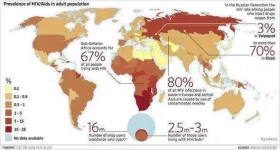
PHThe Philippines has the fastest-growing HIV epidemic in the Asia-Pacific region. At its current rate, the total number of HIV infections could reach 142,400 by 2022.
Base narin sa dami ng mga OFW sa buong mundo na nasa 10million plus. Maaring mas mataas pa ang bilang? ng mga umuwing may dala ng sakit na ito?
As of June 2018, the Department of Health (DOH) AIDS Registry in the Philippines reported 56,275 cumulative cases since 1984. In April 2015, 560 new cases were reported showing a 42% increase compared to the same period in the previous year.
The concentrated epidemic, in eight cities Cebu, Cagayan de Oro, Puerto Princesa, Davao, Quezon City, Parañaque and Makati, with Cebu reaching 14%
Ano ba talaga History ng AIDS?
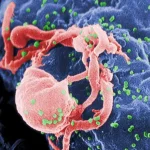
Gay-related immune deficiency (GRID) was the original name for a disease currently known as AIDS. GRID was first mentioned in a May 11, 1982 article in the New York Times. In this article, the term "A.I.D." (Acquired Immunodeficiency Disease) is also mentioned.
Mga taong 1980s wala pang kaalam alam ang mga tao tungkol sa AIDS. Hindi nila ito binibigyang pansin not until today. Ang AIDS ay acronym ng immune deficiency syndrome na galing sa isang particular na virus. Ang AIDS ay hindi mo makukuha sa pamamagitan pagpapalit ng laway (kissing) o pagshe-share ng food —ito ay makukuha mo sa pamamagitan ng blood to blood contact o pagtatalik (***).
Ang AIDS ay hanggang ngayon ay wala pang lunas, pero salamat sa modern technology, may mga maintenance na maaring inumin ng mga taong may AIDS upang mabuhay ng matagal.
Isa itong sensitibong paksa na kung saan hindi pa ito masyadong binibigyang pansin ng mga nakararami. Sa artikulong ito malalaman niyo kung paano kumalat at mismong sakit, sino ang naka diskubre, at isa sa mga taong nagkaroon ng AIDS.
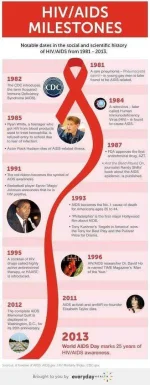
TIMELINE OF AIDS:
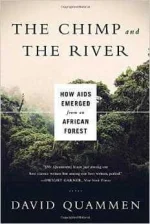
1908: Research reveals “AIDS began with spillover from one chimp to one human, in or near a small southeastern wedge of Cameroon, around 1908,” Quammen writes. The most likely way it jumped species was through a person Quammen calls the “Cut Hunter” — a man who hunted and butchered a chimpanzee infected with simian immunodeficiency virus and was wounded in the process. The chimp’s blood mingled with his through the cuts in his skin.
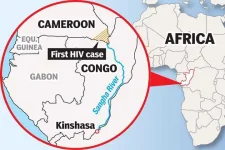
The 1910s-20s: Chances are the Cut Hunter infected only one other person, and HIV likely spread on a one-to-one basis through sexual contact, working its way down the Sangha River in Cameroon to the Congo, eventually reaching the city of Leopoldville (later Kinshasa).
The 1920s-50s: Colonial officials were conducting massive health campaigns in Africa to treat tropical diseases. Quammen notes that the treatment for one ailment, caused by tsetse flies, required 36 injections over three years. But hypodermic syringes were rare commodities, made out of glass and metal. They were used over and over again.
1960: Belgium abruptly gives up the Congo as a colony as forces led by Mobutu Sese Seko overthrow the government. The Belgian regime, Quammen notes, had discouraged education among its colonial subjects; there were no Congolese doctors. Instead, those ranks were filled by French-speaking Haitians who fled home after the government fell. “Someone brought back to Haiti, along with Congolese memories, a dose of HIV-1, Group M, Subtype B,” Quammen writes.
1969: But how does one infected Haitian lead to an outbreak that, according to 1982 blood tests, results in 7.8 percent of women in a Port-au-Prince slum having HIV? Again, needles. In the early 1970s, a plasma-donation clinic, run by a Miami investor, opened in Haiti offering residents $3 per liter. Shared needles at this clinic likely increased the infection rates in Haiti and shipped the disease to the United States in frozen blood plasma.
1980: The disease lurked in America for a decade before anyone noticed. “It reached hemophiliacs through the blood supply,” Quammen writes. “It reached drug addicts through shared needles. It reached gay men … by sexual transmission, possibly from an initial contact between two males, an American and a Haitian.”
Nadiskubre ang AIDS ng dalawang scientists na nagngangalang Luc Montagnier at Robert Gallo (1983-1984). Nagtaka ang dalawa kung bakit andaming cases ng pasyente na may rare skin cancer at isang uri ng pneumonia. Dito nila nadiskubri na AIDS na pala ang sanhi ng sakit nila ayon sa mga ilang blood tests.
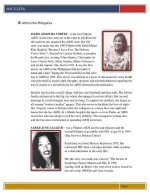

 Trivia: Ma. Dolzura Cortez (died 1992) was the first Filipino AIDS victim who came out in the open to tell about her life and how she acquired the AIDS virus.
And made into a movie by VILMA SANTOS
SHARE THIS & BE SAFE! #PSH2019
Base narin sa dami ng mga OFW sa buong mundo na nasa 10million plus. Maaring mas mataas pa ang bilang? ng mga umuwing may dala ng sakit na ito?
As of June 2018, the Department of Health (DOH) AIDS Registry in the Philippines reported 56,275 cumulative cases since 1984. In April 2015, 560 new cases were reported showing a 42% increase compared to the same period in the previous year.
The concentrated epidemic, in eight cities Cebu, Cagayan de Oro, Puerto Princesa, Davao, Quezon City, Parañaque and Makati, with Cebu reaching 14%
Ano ba talaga History ng AIDS?
Gay-related immune deficiency (GRID) was the original name for a disease currently known as AIDS. GRID was first mentioned in a May 11, 1982 article in the New York Times. In this article, the term "A.I.D." (Acquired Immunodeficiency Disease) is also mentioned.
Mga taong 1980s wala pang kaalam alam ang mga tao tungkol sa AIDS. Hindi nila ito binibigyang pansin not until today. Ang AIDS ay acronym ng immune deficiency syndrome na galing sa isang particular na virus. Ang AIDS ay hindi mo makukuha sa pamamagitan pagpapalit ng laway (kissing) o pagshe-share ng food —ito ay makukuha mo sa pamamagitan ng blood to blood contact o pagtatalik (***).
Ang AIDS ay hanggang ngayon ay wala pang lunas, pero salamat sa modern technology, may mga maintenance na maaring inumin ng mga taong may AIDS upang mabuhay ng matagal.
Isa itong sensitibong paksa na kung saan hindi pa ito masyadong binibigyang pansin ng mga nakararami. Sa artikulong ito malalaman niyo kung paano kumalat at mismong sakit, sino ang naka diskubre, at isa sa mga taong nagkaroon ng AIDS.
TIMELINE OF AIDS:
1908: Research reveals “AIDS began with spillover from one chimp to one human, in or near a small southeastern wedge of Cameroon, around 1908,” Quammen writes. The most likely way it jumped species was through a person Quammen calls the “Cut Hunter” — a man who hunted and butchered a chimpanzee infected with simian immunodeficiency virus and was wounded in the process. The chimp’s blood mingled with his through the cuts in his skin.
The 1910s-20s: Chances are the Cut Hunter infected only one other person, and HIV likely spread on a one-to-one basis through sexual contact, working its way down the Sangha River in Cameroon to the Congo, eventually reaching the city of Leopoldville (later Kinshasa).
The 1920s-50s: Colonial officials were conducting massive health campaigns in Africa to treat tropical diseases. Quammen notes that the treatment for one ailment, caused by tsetse flies, required 36 injections over three years. But hypodermic syringes were rare commodities, made out of glass and metal. They were used over and over again.
1960: Belgium abruptly gives up the Congo as a colony as forces led by Mobutu Sese Seko overthrow the government. The Belgian regime, Quammen notes, had discouraged education among its colonial subjects; there were no Congolese doctors. Instead, those ranks were filled by French-speaking Haitians who fled home after the government fell. “Someone brought back to Haiti, along with Congolese memories, a dose of HIV-1, Group M, Subtype B,” Quammen writes.
1969: But how does one infected Haitian lead to an outbreak that, according to 1982 blood tests, results in 7.8 percent of women in a Port-au-Prince slum having HIV? Again, needles. In the early 1970s, a plasma-donation clinic, run by a Miami investor, opened in Haiti offering residents $3 per liter. Shared needles at this clinic likely increased the infection rates in Haiti and shipped the disease to the United States in frozen blood plasma.
1980: The disease lurked in America for a decade before anyone noticed. “It reached hemophiliacs through the blood supply,” Quammen writes. “It reached drug addicts through shared needles. It reached gay men … by sexual transmission, possibly from an initial contact between two males, an American and a Haitian.”
Nadiskubre ang AIDS ng dalawang scientists na nagngangalang Luc Montagnier at Robert Gallo (1983-1984). Nagtaka ang dalawa kung bakit andaming cases ng pasyente na may rare skin cancer at isang uri ng pneumonia. Dito nila nadiskubri na AIDS na pala ang sanhi ng sakit nila ayon sa mga ilang blood tests.
Trivia: Ma. Dolzura Cortez (died 1992) was the first Filipino AIDS victim who came out in the open to tell about her life and how she acquired the AIDS virus.And made into a movie by VILMA SANTOS
SHARE THIS & BE SAFE! #PSH2019
