 PH
PHlynaggabao
Enthusiast
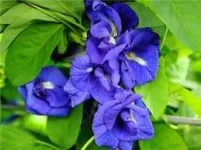
'Clitoria Ternatea' (Butterfly Blue Pea Flower)
10 TOP HEALTH BENEFITS OF BLUE BUTTERFLY PEA FLOWER TEA (CLITORIA TERNATEA TEA)
Blue butterfly pea tea made from the flowers of Clitoria Ternatea is an amazing drink that has wonderful health benefits and medicinal uses. This blue butterfly pea tea is also called Anchan Tea, Color Changing Tea, Clitoria Tea, Thai Blue Tea, Blue Tea, Blue Chai (India) and Aparajita Tea in different parts of the world.
What Is Blue Butterfly Pea Tea?
It is actually a native drink of South East Asian countries like Thailand and Vietnam made by boiling either the fresh blue butterfly pea flowers or dried blue butterfly pea flowers in water. Now this amazing blue tea is gaining popularity all over the world due to it’s amazing medicinal uses.
Blue Butterfly Pea Plant:
The botanical name of blue butterfly pea plant is Clitoria Ternatea. The plant is a climber and it belongs to the family Fabacea and genus Clitoria.
This plant has been used in Ayurveda for many years for treating many neurological problems like depression, anxiety and for improving memory.
All parts of the plant including the leaves, seeds, roots and flowers have medicinal properties.
Blue Butterfly Pea Common Names:
Butterfly pea flower is called Sangu Pushpam or Sangu Poo in Tamil, Aparajita in Hindi and Bengali, Anchan in Thai and Blue Pea Flower in English.
Blue Butterfly Pea Flower Tea:
When I wrote about butterfly pea plant a few weeks back, I had mentioned about the butterfly pea tea in the post.
One of my friends asked me to write in detail about butterfly pea tea so I thought I will give step by step instructions for making this wonderful tea along with the health benefits.
The tea made with it not only looks beautiful (it has got a vivid blue color) but it is full of antioxidants too.
Though you can make the tea with fresh flowers each time, I would suggest drying the flowers during summer time so you can use it year around.
To dry, collect the flowers and spread it on a plate, cover with a thin mesh and sun dry till crisp and store. Now you can make antioxidant tea all year round.
In our farm, butterfly pea flowers grow in abundance so I collect it everyday till I have enough flowers, dry them and store for future use.
This tea is very easy to make and can be served as a refreshing drink and I have to add, it looks stunningly beautiful if served in transparent glasses.
Another beautiful thing about this tea is when we add lemon juice to the tea, the color changes! This is the reason the tea is also called color changing tea.
Though it sounds childish, I love to watch the color of the tea change from purple to beautiful pink color after adding lemon juice to it, a must try tea in my humble opinion.
Blue Butterfly Pea Tea Taste:
Blue butterfly pea tea has a very subtle earthy taste. I make the blue butterfly pea tea with both fresh and dried flowers. Butterfly pea tea is so refreshing but has a very very subtle taste, we can only taste the lemon and honey in the tea mostly.
Blue Butterfly Pea Tea Nutrients:
Blue butterfly pea flowers are rich in calcium, magnesium, potassium, zinc, iron, manganese and sodium so this tea is very rich in vitamins and minerals too. This tea is also full of antioxidants!
Blue Butterfly Pea Tea Health Benefits:
1. Antioxidant Properties:
One of the major benefits of consuming butterfly pea tea is it’s antioxidant properties. Consuming antioxidant rich foods is vital for health, they fight off free radicals which are the primary reason for premature ageing of the body. You can find the link to the study here.
2. Anti Glycation Properties:
Butterfly pea tea has been proven to have anti glycation properties. Glycation is damage caused to protein because of sugar molecules and it is one of the main causes of skin aging. Butterfly pea tea prevents this damage and helps prevent premature aging of our skin. You can find the link to the study here.
3. Anti Inflammatory Properties:
Butterfly pea tea has been shown to have anti inflammatory properties. If you are suffering from any inflammations, try consuming a cup of warm butterfly pea tea, it will bring down both the pain and inflammation.
4. Prevents Fatigue:
Butterfly pea tea is very good for people suffering from chronic fatigue as it improves vitality. Since it is rich in vitamins and minerals, it improves immunity and treats chronic fatigue greatly.
5. Analgesic Properties:
This tea has been proven to have analgesic properties (pain relieving properties). You can find the link to the study proving it’s analgesic and anti inflammatory properties here.
6. Anti Diabetic Properties:
This tea is amazing for diabetic patients as it helps regulate blood sugar levels. A cup of blue butterfly tea taken in between meals will help regulate blood sugar levels and will keep your blood sugar levels steady till the next meal.
7. For Reducing Stress & Anxiety:
Butterfly pea has been used for reducing stress and anxiety from ancient times. If you are stressed or anxious and finding it difficult to sleep, try consuming blue butterfly tea regularly for a few days.
It will help you relax and get a good night’s rest. It also helps improve brain function and memory. You can find the study that supports this claim here.
8. Anti Asthmatic Properties:
Butterfly pea tea has anti asthmatic properties. The whole plant decoction is usually given for treating all respiratory problems like cold, cough, fever and phlegm. It has amazing bronchodilating properties so if you are suffering from asthma consider taking this tea.
9. For Hair & Skin:
Any ingredient that is rich in antioxidants is amazing for hair and skin. Since this tea is also rich in many vitamins and minerals it even more effective for preventing premature ageing of the skin and hair. You can also use the tea for external application too. Mix it while making homemade face packs to get a glowing skin.
10. Anti Ulcer Properties:
This tea has a soothing effect on our stomach and helps treat stomach ulcers. The whole plant extract has been used for treating ulcers traditionally but the tea made with the flowers also has anti ulcer properties.
This is due to presence of flavonoids in the flowers. If you are suffering from stomach ulcer, I would suggest taking this tea without adding any lemon juice.
3 Best Blue Butterfly Pea Flower Tea Recipes:
1. Basic Blue Butterfly Pea Tea Recipe:
Collect fresh flowers, wash and spread them on a plate and sun dry till crisp covered with a net. To make the tea, boil water and pour the boiling water over the dried flowers, steep till the color of the water changes to blue color. Strain and add honey to taste. Your beautiful blue tea is ready, pour into a serving glass. You can also make the tea with fresh flowers too.
2. Blue Butterfly Pea Tea Recipe With Lemongrass:
Follow the same recipe but take a small piece of lemon grass, pound and then add to the dried flowers before pouring the boiling hot water. This tea is so aromatic and wonderful!
3. Color Changing Butterfly Pea Tea Recipe:
Follow the same recipe as before. Now for the magic part, add few drops of lemon and see the color change to beautiful purplish pink. If you add more of lemon juice it will turn fully pink.

10 TOP HEALTH BENEFITS OF BLUE BUTTERFLY PEA FLOWER TEA (CLITORIA TERNATEA TEA)
Blue butterfly pea tea made from the flowers of Clitoria Ternatea is an amazing drink that has wonderful health benefits and medicinal uses. This blue butterfly pea tea is also called Anchan Tea, Color Changing Tea, Clitoria Tea, Thai Blue Tea, Blue Tea, Blue Chai (India) and Aparajita Tea in different parts of the world.
What Is Blue Butterfly Pea Tea?
It is actually a native drink of South East Asian countries like Thailand and Vietnam made by boiling either the fresh blue butterfly pea flowers or dried blue butterfly pea flowers in water. Now this amazing blue tea is gaining popularity all over the world due to it’s amazing medicinal uses.
Blue Butterfly Pea Plant:
The botanical name of blue butterfly pea plant is Clitoria Ternatea. The plant is a climber and it belongs to the family Fabacea and genus Clitoria.
This plant has been used in Ayurveda for many years for treating many neurological problems like depression, anxiety and for improving memory.
All parts of the plant including the leaves, seeds, roots and flowers have medicinal properties.
Blue Butterfly Pea Common Names:
Butterfly pea flower is called Sangu Pushpam or Sangu Poo in Tamil, Aparajita in Hindi and Bengali, Anchan in Thai and Blue Pea Flower in English.
Blue Butterfly Pea Flower Tea:
When I wrote about butterfly pea plant a few weeks back, I had mentioned about the butterfly pea tea in the post.
One of my friends asked me to write in detail about butterfly pea tea so I thought I will give step by step instructions for making this wonderful tea along with the health benefits.
The tea made with it not only looks beautiful (it has got a vivid blue color) but it is full of antioxidants too.
Though you can make the tea with fresh flowers each time, I would suggest drying the flowers during summer time so you can use it year around.
To dry, collect the flowers and spread it on a plate, cover with a thin mesh and sun dry till crisp and store. Now you can make antioxidant tea all year round.
In our farm, butterfly pea flowers grow in abundance so I collect it everyday till I have enough flowers, dry them and store for future use.
This tea is very easy to make and can be served as a refreshing drink and I have to add, it looks stunningly beautiful if served in transparent glasses.
Another beautiful thing about this tea is when we add lemon juice to the tea, the color changes! This is the reason the tea is also called color changing tea.
Though it sounds childish, I love to watch the color of the tea change from purple to beautiful pink color after adding lemon juice to it, a must try tea in my humble opinion.
Blue Butterfly Pea Tea Taste:
Blue butterfly pea tea has a very subtle earthy taste. I make the blue butterfly pea tea with both fresh and dried flowers. Butterfly pea tea is so refreshing but has a very very subtle taste, we can only taste the lemon and honey in the tea mostly.
Blue Butterfly Pea Tea Nutrients:
Blue butterfly pea flowers are rich in calcium, magnesium, potassium, zinc, iron, manganese and sodium so this tea is very rich in vitamins and minerals too. This tea is also full of antioxidants!
Blue Butterfly Pea Tea Health Benefits:
1. Antioxidant Properties:
One of the major benefits of consuming butterfly pea tea is it’s antioxidant properties. Consuming antioxidant rich foods is vital for health, they fight off free radicals which are the primary reason for premature ageing of the body. You can find the link to the study here.
2. Anti Glycation Properties:
Butterfly pea tea has been proven to have anti glycation properties. Glycation is damage caused to protein because of sugar molecules and it is one of the main causes of skin aging. Butterfly pea tea prevents this damage and helps prevent premature aging of our skin. You can find the link to the study here.
3. Anti Inflammatory Properties:
Butterfly pea tea has been shown to have anti inflammatory properties. If you are suffering from any inflammations, try consuming a cup of warm butterfly pea tea, it will bring down both the pain and inflammation.
4. Prevents Fatigue:
Butterfly pea tea is very good for people suffering from chronic fatigue as it improves vitality. Since it is rich in vitamins and minerals, it improves immunity and treats chronic fatigue greatly.
5. Analgesic Properties:
This tea has been proven to have analgesic properties (pain relieving properties). You can find the link to the study proving it’s analgesic and anti inflammatory properties here.
6. Anti Diabetic Properties:
This tea is amazing for diabetic patients as it helps regulate blood sugar levels. A cup of blue butterfly tea taken in between meals will help regulate blood sugar levels and will keep your blood sugar levels steady till the next meal.
7. For Reducing Stress & Anxiety:
Butterfly pea has been used for reducing stress and anxiety from ancient times. If you are stressed or anxious and finding it difficult to sleep, try consuming blue butterfly tea regularly for a few days.
It will help you relax and get a good night’s rest. It also helps improve brain function and memory. You can find the study that supports this claim here.
8. Anti Asthmatic Properties:
Butterfly pea tea has anti asthmatic properties. The whole plant decoction is usually given for treating all respiratory problems like cold, cough, fever and phlegm. It has amazing bronchodilating properties so if you are suffering from asthma consider taking this tea.
9. For Hair & Skin:
Any ingredient that is rich in antioxidants is amazing for hair and skin. Since this tea is also rich in many vitamins and minerals it even more effective for preventing premature ageing of the skin and hair. You can also use the tea for external application too. Mix it while making homemade face packs to get a glowing skin.
10. Anti Ulcer Properties:
This tea has a soothing effect on our stomach and helps treat stomach ulcers. The whole plant extract has been used for treating ulcers traditionally but the tea made with the flowers also has anti ulcer properties.
This is due to presence of flavonoids in the flowers. If you are suffering from stomach ulcer, I would suggest taking this tea without adding any lemon juice.
3 Best Blue Butterfly Pea Flower Tea Recipes:
1. Basic Blue Butterfly Pea Tea Recipe:
Collect fresh flowers, wash and spread them on a plate and sun dry till crisp covered with a net. To make the tea, boil water and pour the boiling water over the dried flowers, steep till the color of the water changes to blue color. Strain and add honey to taste. Your beautiful blue tea is ready, pour into a serving glass. You can also make the tea with fresh flowers too.
2. Blue Butterfly Pea Tea Recipe With Lemongrass:
Follow the same recipe but take a small piece of lemon grass, pound and then add to the dried flowers before pouring the boiling hot water. This tea is so aromatic and wonderful!
3. Color Changing Butterfly Pea Tea Recipe:
Follow the same recipe as before. Now for the magic part, add few drops of lemon and see the color change to beautiful purplish pink. If you add more of lemon juice it will turn fully pink.