 PH
PremiumCourses
Honorary Poster
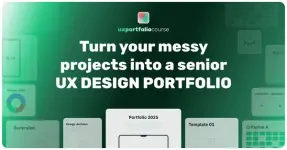
Aneta Kmiecik - Portfolio Bundle combines the Portfolio Skills Course with the Storyline Framer Template to help designers develop, present, and publish professional portfolios. The bundle brings together practical portfolio education, project storytelling frameworks, visual design resources, and an editable website template.
The training focuses on more than simply displaying completed projects. It explores how to position yourself as a designer, select relevant work, communicate project decisions, and present your experience in a way that helps recruiters and potential clients understand your value. With 25 video lessons, 27 Notion guides, 48+ Figma templates, and a collection of portfolio examples, the course provides resources for developing both the content and visual presentation of a portfolio.
Course Overview
A professional design portfolio needs to communicate more than technical ability. Hiring managers and potential clients also want to understand how a designer approaches problems, makes decisions, works within constraints, and contributes to a project's outcome.
The Portfolio Skills Course addresses these challenges through a structured approach to portfolio development. It covers positioning, project selection, storytelling, research, and visual presentation, helping learners turn their experience into clear and convincing case studies.
The bundle also includes the Storyline Framer Template, an editable no-code website template designed to make portfolio publishing more straightforward. Together, the educational material and website template cover two connected parts of the process: developing strong portfolio content and presenting it through a polished online experience.
Portfolio Skills Course: Develop a Stronger Design Portfolio
The Portfolio Skills Course provides the educational foundation of the bundle. Its lessons focus on the decisions behind an effective portfolio, from defining a professional direction to organizing individual projects into understandable stories.
Rather than treating a portfolio as a gallery of attractive , the course explores how designers can communicate the reasoning, methods, and value behind their work.
The main learning areas include:
Understanding Hiring Decisions and Designer Expectations
Creating a useful portfolio begins with understanding what recruiters and hiring teams look for when evaluating designers. Different roles and organizations may prioritize different skills, project experiences, and ways of working.
The course introduces research as a way to understand these expectations and make more informed portfolio decisions. Learners can use this perspective to identify relevant strengths and present their experience in a way that connects with the opportunities they want to pursue.
Positioning Yourself as a Designer
Professional positioning helps establish what a designer does, what value they bring, and how they want to be perceived.
The training explores how to shape a designer profile, define a value proposition, and establish a clearer professional direction. This includes thinking about the types of projects, responsibilities, and skills that best represent an individual's experience.
A more intentional position can also help create consistency across portfolio content, project descriptions, and professional presentation.
Choosing Projects That Support Your Career Direction
Selecting portfolio projects is an important editorial decision. Including every completed project does not necessarily produce a stronger portfolio. The more useful approach is to identify work that demonstrates relevant skills, problem-solving abilities, and experience.
The course introduces frameworks for evaluating project relevance and planning case studies strategically.
Topics include:
- Evaluating which projects deserve a place in the portfolio.
- Selecting work that supports a specific professional direction.
- Identifying the strongest aspects of individual projects.
- Planning project stories before writing case studies.
- Organizing portfolio content around relevant skills and experience.
A case study should help readers understand what happened during a project, what challenges were involved, and how the designer contributed to the process.
The course focuses on storytelling structures that turn complex or disorganized project information into clear narratives. This is particularly useful for UX and product designers whose work may involve research, collaboration, iterations, and decisions that are not immediately visible in the final interface.
Learners explore how to explain project context, methods, decisions, and outcomes without overwhelming readers with unnecessary detail.
Creating Polished Portfolio Visuals
Visual presentation influences how easily visitors can understand and navigate a portfolio. Even strong project work can become difficult to evaluate when , layouts, and supporting material are poorly organized.
The course covers ways to structure project visuals so that the portfolio feels consistent, readable, and professional.
This area connects visual hierarchy with storytelling, helping designers present their work in a format that supports the information rather than distracting from it.
Working with Portfolio Limitations
Not every project can be presented with complete information or ideal visual assets. Designers may encounter non-disclosure agreements, missing performance data, limited access to original materials, or unfinished visual documentation.
The training addresses how to handle these limitations while maintaining credibility.
The subject includes:
- Presenting work that is restricted by an NDA.
- Explaining projects when performance data is unavailable.
- Working with incomplete or weak visual materials.
- Communicating personal contributions accurately.
- Maintaining a clear and credible case-study structure despite project constraints.
Explaining UX Methods and Fundamentals
Clear communication is essential when presenting design expertise. Using professional terminology without explaining its relevance can make a case study difficult for recruiters or other readers to follow.
The course includes access to a UX glossary to support the use and explanation of fundamental UX concepts. This resource helps learners check their terminology and communicate their methods more clearly.
Portfolio Skills Course: Included Learning Resources
The educational component includes a collection of video lessons, written guides, design templates, and reference materials.
The included resources are:
- 25 Video Lessons: Structured instruction covering portfolio positioning, project selection, storytelling, and presentation.
- 27 Notion Guides: Supporting written resources for organizing ideas and applying the course concepts.
- 48+ Figma Templates: Design resources for developing and presenting portfolio content.
- Resource Database: A collection of additional references for portfolio development.
- Portfolio Examples: Examples that provide inspiration and demonstrate different presentation approaches.
- Bonus Guides: Supplementary educational materials.
- Community Access: Access to the course community.
- Lifetime Access: Ongoing access to the course materials.
Storyline Framer Template: Build and Publish Your Portfolio
The second component of the bundle is the Storyline Framer Template, an editable website template designed to help designers launch a portfolio without building the entire website from scratch.
A portfolio website needs to present projects clearly while making important information easy to find. Storyline provides a predefined structure with a homepage, dedicated case-study pages, and additional content examples.
Because it is designed for no-code customization, learners can adapt the template's content and presentation without needing to develop a website from the ground up.
Pages Included in the Storyline Template
The template includes the following website components:
- Homepage: A main page featuring projects and an About section.
- 4 Case Study Pages: Dedicated layouts for presenting individual projects and their stories.
- 404 Page: A custom page for visitors who reach an unavailable website address.
- NDA Content Examples: Reference material for presenting projects with confidentiality restrictions.
- B2B Content Examples: Examples relevant to business-to-business design and professional project presentation.
No-Code Customization and Lifetime Updates
Storyline is designed for customization through Framer without requiring traditional coding for the intended editing workflow.
Users can adapt the template's content and presentation to match their own portfolio, replace example projects, and organize their professional information within the supplied page structure.
The bundle also includes lifetime updates for the template, providing access to updates made available for Storyline.
How the Two Bundle Components Work Together
The Portfolio Skills Course and Storyline Template address complementary parts of portfolio development.
The course focuses on the thinking and communication behind a strong portfolio. It helps learners decide what to show, how to explain their work, and how to position themselves professionally.
Storyline provides the website structure needed to publish that material. Its homepage and case-study pages offer a place to present projects, professional background, and supporting content.
A practical workflow using both resources can follow these stages:
- Define Your Positioning: Clarify your designer profile, professional direction, and value proposition.
- Research Your Target Opportunities: Understand the expectations associated with the roles or clients you want to reach.
- Select Relevant Projects: Choose work that demonstrates the skills and experience you want to communicate.
- Develop Case Studies: Organize project information into clear stories that explain context, methods, decisions, and contributions.
- Prepare Visual Materials: Use design resources to create polished and readable project presentations.
- Customize Storyline: Adapt the Framer template with your own projects, biography, and portfolio content.
- Publish Your Portfolio: Bring the completed material together in a professional online presentation.
Who Is the Portfolio Bundle For?
The bundle is particularly relevant to designers who need to communicate their experience more effectively or are preparing a portfolio for professional opportunities.
It may be useful for:
- UX Designers: People who want to explain research, design decisions, methods, and project outcomes through structured case studies.
- UI Designers: Designers looking to improve the visual organization and presentation of their work.
- Product Designers: Professionals who need to communicate their role and contributions across product development projects.
- Junior Designers: Learners preparing their first professional portfolio and deciding which projects to include.
- Experienced Designers: Professionals updating an existing portfolio or repositioning themselves for new opportunities.
- Freelancers and Independent Designers: People who want a clear online presentation of their services, experience, and project work.
Course Bundle Contents
The complete Portfolio Bundle combines educational materials with an editable Framer website template.
Portfolio Skills Course:
- 25 video lessons.
- 27 Notion guides.
- 48+ Figma templates.
- Database with resources.
- Lifetime course access.
- Bonus guides and portfolio examples.
- Community access.
- Homepage with projects and About section.
- 4 case-study pages.
- 404 page.
- No-code customization.
- Lifetime template updates.
- NDA and B2B content examples.
Course Name: Aneta Kmiecik - Portfolio Bundle
Instructor: Aneta Kmiecik
Category: Design, UX/UI Design, Portfolio Development, and Framer
Content Type: Video Lessons, Notion Guides, Figma Templates, Resource Database, Portfolio Examples, and Framer Website Template
Language: English
Format: .MP4
FileSize: 936.43 MB | 1 part
Course Page:
Code:
https://www.uxportfolio.co/DOWNLOAD LINKS
Links are Interchangeable - No Password - Single ExtractionRapidgator
You do not have permission to view the full content of this post. Log in or register now.
ClicknUpload
You do not have permission to view the full content of this post. Log in or register now.
DDownload
You do not have permission to view the full content of this post. Log in or register now.
FreeDL
You do not have permission to view the full content of this post. Log in or register now.