 PH
Icebucks23
Elite
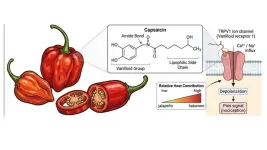
When we eat hot peppers, that intense 'burning' sensation isn't actually a physical heat burn—it's a precise chemical interaction.
The key compound is capsaicin, which binds to the TRPV1 receptor (vanilloid receptor 1) located on the surface of our sensory nerve cells in the mouth and throat.
TRPV1 is typically activated by actual heat (around 43°C), but capsaicin has a molecular structure that fits the receptor like a key. This tricks the nerve into sending a 'high temperature' signal to the brain, which then produces the sensation of burning, sweating, and vascular dilation as a defensive response.
Capsaicin is lipophilic (fat-soluble), which is why drinking water often does little. A substance with fats, like milk, can bind to and dissolve capsaicin, removing it from the receptors and providing faster relief.
© Molecular Science Council