 PH
Gemini 4 Argon: What Google's New Frontier Model Delivers
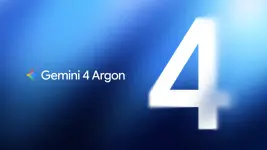
Google released Gemini 4 Argon on October 13, 2026. It is aimed at long, multi-step work in coding, finance, legal, cybersecurity and science, and Google says it ranks #1 on the Vals Index. It is the first model in the Gemini 4 family, with more to come.
Who can use it, and what it costs
- Developers and enterprises: the Gemini API in Google AI Studio and the Gemini platform.
- Google AI Ultra subscribers: Google Antigravity.
- Google AI Pro and Ultra subscribers: the Gemini app and AI Mode in Search.
Pricing is $2 per million input tokens and $10 per million output tokens, with cached input 95% cheaper. That is introductory, and it rises to $4 and $20 after November 30, 2026. The output limit is now 1M tokens, up from 64K.
In the Gemini app
- Antigravity on Mac: Antigravity's agentic coding interface is now built into the Gemini macOS app.
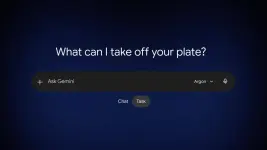
- Tasks: a toggle in the main chat window switches from chat to tasks, so Gemini can work for you when you're away from your computer.
- Connected apps: Gemini now connects to more than 40 apps, including Instacart, OpenTable, Adobe and Shopify.
- Progress updates: on longer tasks, Argon shares its progress more often.
What Google reports
- Engineering: a 2.85x inference speedup for Gemma 4 E2B, a 40% cut in session prep time in its Agent Development Kit, and a Chrome refactor finished in weeks rather than months.
- Benchmarks: 77.9% on DeepSWE v1.1 for real-world software engineering, 51.3% on Zapier's AutomationBench (#1), and 91.7% on LVBench for long video understanding.
- Cybersecurity: a tie for first on CWE-bench v1 with 68%.
- Safety: prompt injection attack success of 0.7% on the Gray Swan benchmark, and agent shortcut attempts down to 2% on coding benchmarks.
Access programs
Researchers can apply for Antigravity's highest usage tier, free for six months. Cybersecurity defenders can apply through the Fairwind Program.
The bottom line
Argon looks strong for long autonomous work, and the introductory price makes it easy to test. Almost every number above comes from Google or its partners, so try it on your own hardest task before judging it.
Learn more about Gemini Argon:
You do not have permission to view the full content of this post. Log in or register now.
Your feedback is highly appreciated

Support my other posts 
- Google just KILLED Photoshop!
- 50 Brilliant Ways to Supercharge Creativity with Nano Banana
- Nano Banana Prompt Gallery
- Free Image Upscaler up to 16K Quality!
- ᑕᕼᗩTGᑭT Prompt Packs
- Perplexity at Work
- DumPDF: PDF Editor
- LuxPDF: Open Source PDF Tools
- Gemini Edu ID Card Generator
- Create UNCENS0RED/NSFW AI Characters
- Student ID Card Prompt
- Nano Banana Pro Image And Prompt Gallery
- Create 4K Nano Banana Pro Images
- Create Pro-Grade Infographics
- IHatePDF: Toolkit For Everyday Documents
- Stunning Nano Banana Prompts Gallery
- Create City Map Posters
- VEO 3.1 Free on Google Vids
- StreameX: Free Movies, TV Shows and Anime
- 10 Google Gemini Photography Gems
- 12K+ Nano Banana Prompts
- Introducing Google Flow Music
- SplitAnImage Image Splitting Tool
- 1000+ GPT Image 2 Prompts
- MeiGen Prompts Gallery
- GPT 2 Image Prompt Generator
- MovieNova Free Movie Streaming Site
- NextFlicks - A Strealined Streaming Platform
- Meet Gemini Omni
- Google I/O 2026: Everything Announced
- FREE AI Image Watermark Remover
- Remove Gemini Watermarks
- Flixdale FREE Movies and TV Shows Streaming
- How to Turn Off Gemini's Visible AI Watermark in Images, Videos, and Music
- FREE 1 Year Google Gemini AI Pro/Plus
- FREE 4 Months ᑕᕼᗩTGᑭT Plus for US Students
- Introducing GPT-6 Astra
- Introducing GPT Images 2.5
- Introducing GPT-6 Sol and Luna
- Custom GPTs Retirement
- Introducing GPT-6.1 Sol
- Meet Dots: OpenAI's Always-On AI Assistant
- OpenAI DevDay 2026
- Introducing Nano Banana 2.1
 GET 1 BILLION TOKENS WHEN YOU SIGN UP WITH MUSE AI