 PH
PH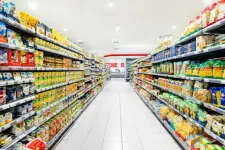
Items like milk, eggs, bread, and rice are usually placed toward the back of many supermarkets. This encourages shoppers to walk through more aisles before reaching the essentials. Along the way, they're exposed to products they didn't originally plan to buy. Retailers have used this strategy for decades because it increases impulse purchases.
The layout isn't random—it's carefully planned using shopping behavior. The longer the path, the more opportunities there are to add something to the cart. Sometimes, the shortest shopping list becomes the longest receipt.
© National Grocers Association