 PH
PH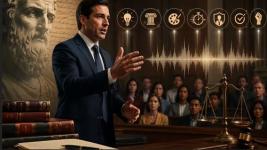
When Words Become Action
Published 6/2026
MP4 | Video: h264, 1920x1080 | Audio: AAC, 44.1 KHz, 2 Ch
Language: English | Duration: 1h 29m | Size: 1.23 GB
What you'll learn
Identify and apply the three modes of speech-Lyric, Epic, and Dramatic-to enhance storytelling, witness examination, and persuasive advocacy in the courtroom.
Analyze and utilize the Six Revelations of speech (Reflective, Sympathetic, Antipathic, Love, Fear of the Soul, and Wonder) to shape juror perception, emotional
Employ Hermogenes' Seven Styles of rhetoric-Clarity, Grandeur, Beauty, Rapidity, Ethos, Verity, and Force-to strengthen openings, examinations, and closing argu
Develop a structured persuasive framework that integrates rhetorical style, emotional resonance, and courtroom presence to transform spoken advocacy into a powe
Requirements
There are no prerequisites.
Description
In the courtroom, speech is never merely verbal-it is physical, psychological, and decisional. Every word a trial attorney speaks moves through breath, rhythm, gesture, and tone before it reaches the jury's intellect. This dynamic CLE program explores how trial lawyers can consciously harness thephysical power of speech to shape juror perception, credibility, emotion, and ultimately verdicts.
Drawing from classical rhetoric, performance psychology, and courtroom-tested advocacy techniques, this presentation teaches attorneys how spoken language operates asaction -capable of organizing facts, transmitting emotional truth, and exerting moral force. Participants will learn how persuasive advocacy arises from the integration of disciplined legal reasoning with embodied human E×ρréššion.
The program introduces three foundationalModes of Speech-Lyric, Epic, and Dramatic -and demonstrates how each mode functions strategically in openings, direct examination, cross-examination, and closing arguments. Attorneys will learn how to choose the appropriate mode to humanize clients, clarify facts, or apply decisive pressure at critical moments in trial.
Building on this foundation, the presentation examines theSix Revelations of Speech, revealing how subtle inner gestures-such as reflection, sympathy, antipathy, love, fear, and wonder-shape tone, credibility, and juror response beneath the surface of words. Through concrete courtroom examples, participants learn how to guide jurors' emotional and moral responses without theatricality or artifice.
The program then turns to theSeven Classical Styles of Persuasion, adapted from Hermogenes and refined for modern trial practice. Attorneys will explore how clarity, grandeur, beauty, speed, ethos, verity, and force function as strategic tools-each producing a distinct effect on juror understanding, trust, and decision-making. The presentation demonstrates how elite advocates intentionally modulate style throughout a trial to maintain engagement, authority, and persuasive momentum.
Throughout the program, trial-focused examples illustrate how these techniques apply to opening statements, witness examinations, impeachment, and closing arguments. Participants leave with a practical diagnostic framework for identifying why arguments fail to land-and how to correct stylistic mismatches that undermine credibility or persuasion.
This CLE is ideal for litigators seeking to elevate courtroom presence, deepen juror connection, and move beyond "what to say" intohow speech itself wins cases .
Who this course is for
Law students
Lawyers
Mock trial students
You do not have permission to view the full content of this post. Log in or register now.
You do not have permission to view the full content of this post. Log in or register now.
