 PH
PHPHC - JAMES
Forum Expert
Originality.ai is used to assess and maintain content integrity. Key uses:
Typical users:
How it works (high level):
Notes and limitations:
If you share your use case (e.g., hiring writers, academic screening, SEO audits), I can suggest a workflow and settings to get the most reliable results.
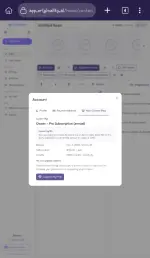
You do not have permission to view the full content of this post. Log in or register now.
- Detect AI-generated text: Flags the likelihood that content was written by AI vs. a human.
- Check for plagiarism: Compares text against web sources to find copied or closely matched passages.
- Verify originality for publishers/clients: Helps agencies, editors, and marketplaces ensure submissions are authentic.
- Editorial quality checks: Readability, grammar/spelling insights to polish drafts.
- SEO and content ops: Scan sites or batches of articles, tag results, and generate shareable reports for teams.
- Compliance and academic use: Reduce risk of unoriginal or AI-written submissions where human authorship is required.
Typical users:
- Content teams, SEO agencies, and freelancers
- Editors and publishers
- Educators and academic integrity staff
- Businesses vetting outsourced writing
How it works (high level):
- You paste or upload text/docs or scan URLs.
- It runs AI detection and plagiarism checks, then returns scores, matches, and a report.
- Team and workflow features let you manage scans at scale.
Notes and limitations:
- AI detection can produce false positives/negatives—use it as a signal, not a sole arbiter.
- Results improve with longer text; very short passages are less reliable.
- Always pair automated checks with human review and clear content policies.
If you share your use case (e.g., hiring writers, academic screening, SEO audits), I can suggest a workflow and settings to get the most reliable results.
You do not have permission to view the full content of this post. Log in or register now.


