 PH
PHSTICKnoLOGIC
Forum Guru
Github Desktop
Reading articles and watching tutorials is helpful, but hands-on experience is best. This project will guide you through making your first contribution. Stay relaxed, and you'll learn better. Follow the steps below to get started. It will be fun!If you don't have GitHub Desktop on your device, You do not have permission to view the full content of this post. Log in or register now..
Requirement/s:
- Device (laptop or PC)
- Github Account
- Brain.exe
for more information, visit the following:
You do not have permission to view the full content of this post. Log in or register now.
You do not have permission to view the full content of this post. Log in or register now.
-------------------
Fork this repository
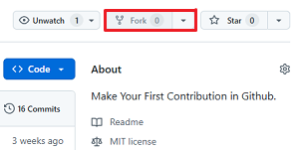
Click the fork button in the upper right corner of You do not have permission to view the full content of this post. Log in or register now. to fork the repository. A clone of this repository will be created in your account as a result.
Clone the repository
Now, clone the repository you just forked to your machine.Important
DO NOT CLONE THE ORIGINAL REPO. Clone your forked repository.
To clone the repo, click on "Clone or Download" and then click on "Open in Desktop".
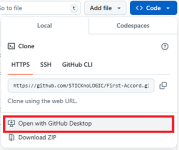
A pop up window will open. Click on "Open GitHubDesktop.exe".
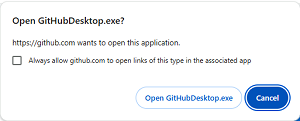
After you click on "Open GitHubDesktop.exe" the contents will be downloaded to your computer.
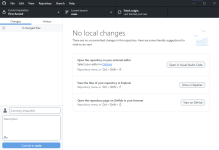
Now you have copied the contents of the First Accord repository in github to your computer.
Create a Branch
Now, create a new branch by clicking on the "Current branch" icon at the top and then click on "New branch".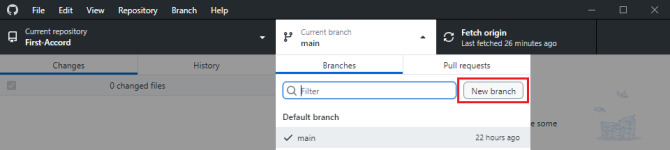
Name your branch. For example, "sticknologic-name-branch".
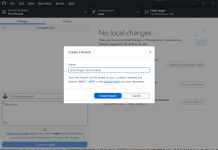
Then click on Create branch button.
Make necessary changes and commit those changes
Go to the contributors Folder/Directory and copy the content of TEMPLATES.json (the template consists of essential/required parameters in JSON structure. To know more, You do not have permission to view the full content of this post. Log in or register now.)Now in contributors Directory, Create a json file this-is-you.json(where this-is-you is your Github username, in my case its sticknologic.json), Open the created json file in a text editor/IDE you prefer and paste the content you copied from the TEMPLATE.json, edit the json file(You do not have permission to view the full content of this post. Log in or register now.). Now, save the file.
You can see that there are changes to contributors Folder as you create your JSON file and they have been added to the Github Desktop.
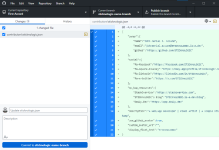
Now commit those changes:
Write the message "Add <your-name> to Contributors list" in the summary field.
Replace <your-name> with your name.
Click on the button that says Commit to main.
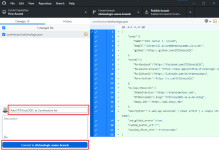
At the bottom, you can see that the commit has been created.
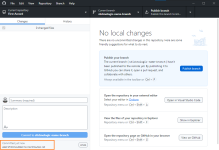
Push changes to github
Click on File->Options and sign-in to Github.com. Type in your Github username and password.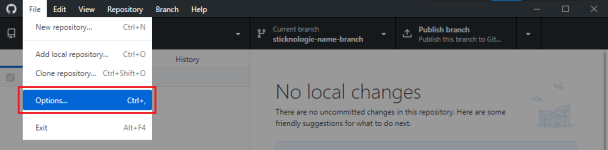
Click the Push origin button.
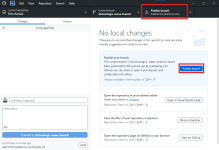
Submit your changes for review
If you go to your repository on github, you'll see Compare & pull request button. click on that button.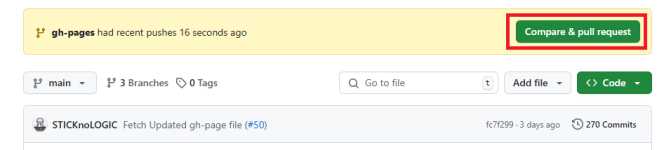
Now submit the pull request.
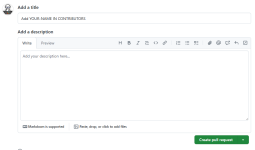
I'll be merging all of your modifications into the project's main branch shortly. Once the changes have been merged, you will receive an email notification.
Where to go from here?
Congratulations! You have successfully completed the standard workflow: fork -> clone -> edit -> pull request that you will frequently encounter as a contributor.You are welcome to join our community or group if you need assistance or have any questions.
Let's help you get started with contributing to other projects. I recommend beginning with You do not have permission to view the full content of this post. Log in or register now.. This project was heavily inspired by it, just so you know!

