 PH
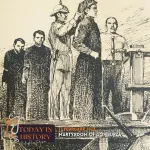
PH#𝐓𝐨𝐝𝐚𝐲𝐢𝐧𝐇𝐢𝐬𝐭𝐨𝐫𝐲 𝐢𝐧 𝟏𝟖𝟕𝟐, 𝐩𝐫𝐢𝐞𝐬𝐭𝐬 𝐌𝐚𝐫𝐢𝐚𝐧𝐨 𝐆𝐨𝐦𝐞𝐬 𝐝𝐞 𝐥𝐨𝐬 𝐀́𝐧𝐠𝐞𝐥𝐞𝐬, 𝐉𝐨𝐬𝐞́ 𝐀𝐩𝐨𝐥𝐨𝐧𝐢𝐨 𝐁𝐮𝐫𝐠𝐨𝐬 𝐲 𝐆𝐚𝐫𝐜𝐢́𝐚, 𝐚𝐧𝐝 𝐉𝐚𝐜𝐢𝐧𝐭𝐨 𝐙𝐚𝐦𝐨𝐫𝐚 𝐲 𝐝𝐞𝐥 𝐑𝐨𝐬𝐚𝐫𝐢𝐨—𝐜𝐨𝐥𝐥𝐞𝐜𝐭𝐢𝐯𝐞𝐥𝐲 𝐤𝐧𝐨𝐰𝐧 𝐚𝐬 𝐭𝐡𝐞 𝐆𝐨𝐦𝐛𝐮𝐫𝐳𝐚—𝐰𝐞𝐫𝐞 𝐞𝐱𝐞𝐜𝐮𝐭𝐞𝐝 𝐛𝐲 𝐠𝐚𝐫𝐫𝐨𝐭𝐞 𝐢𝐧 𝐁𝐚𝐠𝐮𝐦𝐛𝐚𝐲𝐚𝐧. 𝐓𝐡𝐞𝐢𝐫 𝐝𝐞𝐚𝐭𝐡𝐬 𝐢𝐠𝐧𝐢𝐭𝐞𝐝 𝐚 𝐧𝐚𝐭𝐢𝐨𝐧𝐚𝐥 𝐚𝐰𝐚𝐤𝐞𝐧𝐢𝐧𝐠 𝐢𝐧 𝐭𝐡𝐞 𝐏𝐡𝐢𝐥𝐢𝐩𝐩𝐢𝐧𝐞𝐬, 𝐭𝐮𝐫𝐧𝐢𝐧𝐠 𝐭𝐡𝐞 𝐩𝐮𝐬𝐡 𝐟𝐨𝐫 𝐫𝐞𝐟𝐨𝐫𝐦 𝐢𝐧𝐭𝐨 𝐚 𝐛𝐫𝐨𝐚𝐝𝐞𝐫 𝐦𝐨𝐯𝐞𝐦𝐞𝐧𝐭 𝐟𝐨𝐫 𝐫𝐞𝐯𝐨𝐥𝐮𝐭𝐢𝐨𝐧 𝐚𝐧𝐝 𝐢𝐧𝐝𝐞𝐩𝐞𝐧𝐝𝐞𝐧𝐜𝐞.
The execution of Gomburza stemmed from a long-standing conflict between the secular and regular clergy in the Spanish Philippines borne from a complicated context. Due to accusations of conspiracy, the Jesuits were systematically expelled in various European countries, beginning in 1759 onwards. King Carlos III of Spain followed suit, as finally the Jesuits were removed forcibly from their parishes in the Philippines in 1768. This event left many parishes vacant, creating an urgent need for more clergy. To address this, a royal decree in 1774 called for the appointment of indigenous secular priests to take over parishes. However, Spanish friars, known as the regular clergy, resisted this policy, seeing it as a threat to their control over the colonial Church.
The regular clergy, composed mainly of Augustinians, Dominicans, and Franciscans, justified their opposition by claiming that Filipino secular priests were incapable of properly instructing their parishioners. This prejudice led to the systematic marginalization of secular clergy, as seen in 1822 when the Malate parish, despite having qualified secular priests, was transferred back to the friars.
The return of the Jesuits in 1859 led to the further displacement of some secular priests. In response, the secularization movement emerged, advocating equal treatment for Filipino clergy and the fulfillment of royal policies favoring secular priests. Led by Fr. Pedro Peláez of Laguna and Fr. Mariano Gomes of Cavite, the movement gained momentum, aligning with liberal ideas spreading in the Philippines. When Peláez died in the 1863 Manila earthquake, Fr. José Burgos took up his mantle, becoming a vocal advocate for secular clergy and Filipino rights within the Spanish colonial system.
The Spanish authorities, reliant on friars to maintain political control, saw the secular clergy as a threat. Tensions escalated under Governor-General Rafael de Izquierdo, who took office in 1871 and rescinded liberal policies that had previously allowed limited reforms. He reinforced the power of the friars, reimposed forced labor, and increased taxation, fueling widespread resentment.
The breaking point came on 20 January 1872, when around 200 Spanish & creole soldiers and workers at the Cavite naval shipyard revolted at Fort San Felipe to protest labor conditions and discriminatory policies. The Spanish authorities swiftly suppressed the uprising, but colonial officials—eager to eliminate opposition—falsely linked the mutiny to prominent Filipino secular priests, including Burgos, Gomes, and Zamora.
A wave of repression followed. Secular priests and Filipino liberals were arrested, imprisoned, or exiled. Among them, the Gomburza were singled out as the leaders of an alleged conspiracy against Spanish authority in the Philippines. Despite a lack of credible evidence, they were swiftly tried and sentenced to death.
#OnThisDay in 1872, before a crowd of 40,000, Fr. Mariano Gomes, Fr. José Burgos, and Fr. Jacinto Zamora were executed by garrote in Bagumbayan (now Rizal Park). The Archbishop of Manila, refusing to defrock them despite political pressure, ordered the bells of The Manila Cathedral to toll in mourning.
Though Gomburza had fought for ecclesiastical reforms, their unjust execution transformed their cause into a rallying point for Filipino nationalism. Their deaths deeply affected Paciano Rizal, a close associate and disciple of Fr. Burgos, and helped shape the revolutionary ideals of his younger brother, José Rizal. In his novel El Filibusterismo (1891), José Rizal dedicated his work to the memory of Gomburza, recognizing their sacrifice as pivotal in the fight for Filipino civil rights:
"𝘛𝘩𝘦 𝘊𝘩𝘶𝘳𝘤𝘩, 𝘣𝘺 𝘳𝘦𝘧𝘶𝘴𝘪𝘯𝘨 𝘵𝘰 𝘥𝘦𝘨𝘳𝘢𝘥𝘦 𝘺𝘰𝘶, 𝘩𝘢𝘴 𝘱𝘭𝘢𝘤𝘦𝘥 𝘪𝘯 𝘥𝘰𝘶𝘣𝘵 𝘵𝘩𝘦 𝘤𝘳𝘪𝘮𝘦 𝘵𝘩𝘢𝘵 𝘩𝘢𝘴 𝘣𝘦𝘦𝘯 𝘪𝘮𝘱𝘶𝘵𝘦𝘥 𝘵𝘰 𝘺𝘰𝘶; 𝘵𝘩𝘦 𝘎𝘰𝘷𝘦𝘳𝘯𝘮𝘦𝘯𝘵, 𝘣𝘺 𝘴𝘶𝘳𝘳𝘰𝘶𝘯𝘥𝘪𝘯𝘨 𝘺𝘰𝘶𝘳 𝘵𝘳𝘪𝘢𝘭𝘴 𝘸𝘪𝘵𝘩 𝘮𝘺𝘴𝘵𝘦𝘳𝘺 𝘢𝘯𝘥 𝘴𝘩𝘢𝘥𝘰𝘸𝘴, 𝘤𝘢𝘶𝘴𝘦𝘴 𝘵𝘩𝘦 𝘣𝘦𝘭𝘪𝘦𝘧 𝘵𝘩𝘢𝘵 𝘵𝘩𝘦𝘳𝘦 𝘸𝘢𝘴 𝘴𝘰𝘮𝘦 𝘦𝘳𝘳𝘰𝘳, 𝘤𝘰𝘮𝘮𝘪𝘵𝘵𝘦𝘥 𝘪𝘯 𝘧𝘢𝘵𝘢𝘭 𝘮𝘰𝘮𝘦𝘯𝘵𝘴; 𝘢𝘯𝘥 𝘢𝘭𝘭 𝘵𝘩𝘦 𝘗𝘩𝘪𝘭𝘪𝘱𝘱𝘪𝘯𝘦𝘴, 𝘣𝘺 𝘸𝘰𝘳𝘴𝘩𝘪𝘱𝘪𝘯𝘨 𝘺𝘰𝘶𝘳 𝘮𝘦𝘮𝘰𝘳𝘺 𝘢𝘯𝘥 𝘤𝘢𝘭𝘭𝘪𝘯𝘨 𝘺𝘰𝘶 𝘮𝘢𝘳𝘵𝘺𝘳𝘴, 𝘪𝘯 𝘯𝘰 𝘴𝘦𝘯𝘴𝘦 𝘳𝘦𝘤𝘰𝘨𝘯𝘪𝘻𝘦𝘴 𝘺𝘰𝘶𝘳 𝘤𝘶𝘭𝘱𝘢𝘣𝘪𝘭𝘪𝘵𝘺.
𝘐𝘯 𝘴𝘰 𝘧𝘢𝘳, 𝘵𝘩𝘦𝘳𝘦𝘧𝘰𝘳𝘦, 𝘢𝘴 𝘺𝘰𝘶𝘳 𝘤𝘰𝘮𝘱𝘭𝘪𝘤𝘪𝘵𝘺 𝘪𝘯 𝘵𝘩𝘦 𝘊𝘢𝘷𝘪𝘵𝘦 𝘮𝘶𝘵𝘪𝘯𝘺 𝘪𝘴 𝘯𝘰𝘵 𝘤𝘭𝘦𝘢𝘳𝘭𝘺 𝘱𝘳𝘰𝘷𝘦𝘥, 𝘢𝘴 𝘺𝘰𝘶 𝘮𝘢𝘺 𝘰𝘳 𝘮𝘢𝘺 𝘯𝘰𝘵 𝘩𝘢𝘷𝘦 𝘣𝘦𝘦𝘯 𝘱𝘢𝘵𝘳𝘪𝘰𝘵𝘴, 𝘢𝘯𝘥 𝘢𝘴 𝘺𝘰𝘶 𝘮𝘢𝘺 𝘰𝘳 𝘮𝘢𝘺 𝘯𝘰𝘵 𝘩𝘢𝘷𝘦 𝘤𝘩𝘦𝘳𝘪𝘴𝘩𝘦𝘥 𝘴𝘦𝘯𝘵𝘪𝘮𝘦𝘯𝘵𝘴 𝘧𝘰𝘳 𝘫𝘶𝘴𝘵𝘪𝘤𝘦 𝘢𝘯𝘥 𝘧𝘰𝘳 𝘭𝘪𝘣𝘦𝘳𝘵𝘺, 𝘐 𝘩𝘢𝘷𝘦 𝘵𝘩𝘦 𝘳𝘪𝘨𝘩𝘵 𝘵𝘰 𝘥𝘦𝘥𝘪𝘤𝘢𝘵𝘦 𝘮𝘺 𝘸𝘰𝘳𝘬 𝘵𝘰 𝘺𝘰𝘶 𝘢𝘴 𝘷𝘪𝘤𝘵𝘪𝘮𝘴 𝘰𝘧 𝘵𝘩𝘦 𝘦𝘷𝘪𝘭 𝘸𝘩𝘪𝘤𝘩 𝘐 𝘶𝘯𝘥𝘦𝘳𝘵𝘢𝘬𝘦 𝘵𝘰 𝘤𝘰𝘮𝘣𝘢𝘵. 𝘈𝘯𝘥 𝘸𝘩𝘪𝘭𝘦 𝘸𝘦 𝘢𝘸𝘢𝘪𝘵 𝘦𝘹𝘱𝘦𝘤𝘵𝘢𝘯𝘵𝘭𝘺 𝘶𝘱𝘰𝘯 𝘚𝘱𝘢𝘪𝘯 𝘴𝘰𝘮𝘦 𝘥𝘢𝘺 𝘵𝘰 𝘳𝘦𝘴𝘵𝘰𝘳𝘦 𝘺𝘰𝘶𝘳 𝘨𝘰𝘰𝘥 𝘯𝘢𝘮𝘦 𝘢𝘯𝘥 𝘤𝘦𝘢𝘴𝘦 𝘵𝘰 𝘣𝘦 𝘢𝘯𝘴𝘸𝘦𝘳𝘢𝘣𝘭𝘦 𝘧𝘰𝘳 𝘺𝘰𝘶𝘳 𝘥𝘦𝘢𝘵𝘩, 𝘭𝘦𝘵 𝘵𝘩𝘦𝘴𝘦 𝘱𝘢𝘨𝘦𝘴 𝘴𝘦𝘳𝘷𝘦 𝘢𝘴 𝘢 𝘵𝘢𝘳𝘥𝘺 𝘸𝘳𝘦𝘢𝘵𝘩 𝘰𝘧 𝘥𝘳𝘪𝘦𝘥 𝘭𝘦𝘢𝘷𝘦𝘴 𝘰𝘷𝘦𝘳 𝘺𝘰𝘶𝘳 𝘶𝘯𝘬𝘯𝘰𝘸𝘯 𝘵𝘰𝘮𝘣𝘴, 𝘢𝘯𝘥 𝘭𝘦𝘵 𝘪𝘵 𝘣𝘦 𝘶𝘯𝘥𝘦𝘳𝘴𝘵𝘰𝘰𝘥 𝘵𝘩𝘢𝘵 𝘦𝘷𝘦𝘳𝘺 𝘰𝘯𝘦 𝘸𝘩𝘰 𝘸𝘪𝘵𝘩𝘰𝘶𝘵 𝘤𝘭𝘦𝘢𝘳 𝘱𝘳𝘰𝘰𝘧𝘴 𝘢𝘵𝘵𝘢𝘤𝘬𝘴 𝘺𝘰𝘶𝘳 𝘮𝘦𝘮𝘰𝘳𝘺 𝘴𝘵𝘢𝘪𝘯𝘴 𝘩𝘪𝘴 𝘩𝘢𝘯𝘥𝘴 𝘪𝘯 𝘺𝘰𝘶𝘳 𝘣𝘭𝘰𝘰𝘥!"
Their martyrdom also influenced Marcelo H. del Pilar, Andrés Bonifacio, Emilio Jacinto, and Apolinario Mabini, whose ideas would later fuel the Philippine Revolution against Spain.
Beyond politics, their deaths had lasting consequences for the Filipino Church, leading to later schisms, including the rise of Filipino-led Iglesia Filipina Independiente (Aglipayan Church) in the country. Meanwhile, Nicolás Zamora, a nephew of Fr. Jacinto Zamora, would become the first ordained Filipino Protestant (Methodist) pastor.
The execution of Gomburza remains one of the most significant moments in Philippine history. Their sacrifice ignited the struggle that would eventually bring an end to Spanish colonial rule in the archipelago and lay the foundation for an independent nation.
#KASAYSAYAN
#PhilippineHistory
#GomBurZa
𝗥𝗲𝗰𝗼𝗺𝗺𝗲𝗻𝗱𝗲𝗱 𝗥𝗲𝗮𝗱𝗶𝗻𝗴𝘀:
 "A Checklist of Documents on Gomburza from the Archdiocesan Archives of Manila" by Carlos Quirino, You do not have permission to view the full content of this post.
Log in or register now.
"A Checklist of Documents on Gomburza from the Archdiocesan Archives of Manila" by Carlos Quirino, You do not have permission to view the full content of this post.
Log in or register now.
"The Last Will of Padre Mariano Gomes," by Luciano P.R. Santiago, You do not have permission to view the full content of this post.
Log in or register now.
"The Capellania of Padre Mariano Gomes, 1822-1972, by Luciano P.R. Santiago, You do not have permission to view the full content of this post.
Log in or register now.
"The Authenticity of the Writings Attributed To Father Jose Burgos," by John N. Schumacher, You do not have permission to view the full content of this post.
Log in or register now.
"Documents Relating to Father Jose Burgos and the Cavite Mutiny of 1872" by John N. Schumacher and Nicholas P. Cushner, You do not have permission to view the full content of this post.
Log in or register now.
"The Cavite Mutiny: Toward a Definitive History" by John N. Schumacher, You do not have permission to view the full content of this post.
Log in or register now.
"The Works of Father Jose Burgos" by Luis Ma. Araneta,
You do not have permission to view the full content of this post. Log in or register now.
"More Documents on Burgos," by Carlos Quirino, You do not have permission to view the full content of this post.
Log in or register now.
The execution of Gomburza stemmed from a long-standing conflict between the secular and regular clergy in the Spanish Philippines borne from a complicated context. Due to accusations of conspiracy, the Jesuits were systematically expelled in various European countries, beginning in 1759 onwards. King Carlos III of Spain followed suit, as finally the Jesuits were removed forcibly from their parishes in the Philippines in 1768. This event left many parishes vacant, creating an urgent need for more clergy. To address this, a royal decree in 1774 called for the appointment of indigenous secular priests to take over parishes. However, Spanish friars, known as the regular clergy, resisted this policy, seeing it as a threat to their control over the colonial Church.
The regular clergy, composed mainly of Augustinians, Dominicans, and Franciscans, justified their opposition by claiming that Filipino secular priests were incapable of properly instructing their parishioners. This prejudice led to the systematic marginalization of secular clergy, as seen in 1822 when the Malate parish, despite having qualified secular priests, was transferred back to the friars.
The return of the Jesuits in 1859 led to the further displacement of some secular priests. In response, the secularization movement emerged, advocating equal treatment for Filipino clergy and the fulfillment of royal policies favoring secular priests. Led by Fr. Pedro Peláez of Laguna and Fr. Mariano Gomes of Cavite, the movement gained momentum, aligning with liberal ideas spreading in the Philippines. When Peláez died in the 1863 Manila earthquake, Fr. José Burgos took up his mantle, becoming a vocal advocate for secular clergy and Filipino rights within the Spanish colonial system.
The Spanish authorities, reliant on friars to maintain political control, saw the secular clergy as a threat. Tensions escalated under Governor-General Rafael de Izquierdo, who took office in 1871 and rescinded liberal policies that had previously allowed limited reforms. He reinforced the power of the friars, reimposed forced labor, and increased taxation, fueling widespread resentment.
The breaking point came on 20 January 1872, when around 200 Spanish & creole soldiers and workers at the Cavite naval shipyard revolted at Fort San Felipe to protest labor conditions and discriminatory policies. The Spanish authorities swiftly suppressed the uprising, but colonial officials—eager to eliminate opposition—falsely linked the mutiny to prominent Filipino secular priests, including Burgos, Gomes, and Zamora.
A wave of repression followed. Secular priests and Filipino liberals were arrested, imprisoned, or exiled. Among them, the Gomburza were singled out as the leaders of an alleged conspiracy against Spanish authority in the Philippines. Despite a lack of credible evidence, they were swiftly tried and sentenced to death.
#OnThisDay in 1872, before a crowd of 40,000, Fr. Mariano Gomes, Fr. José Burgos, and Fr. Jacinto Zamora were executed by garrote in Bagumbayan (now Rizal Park). The Archbishop of Manila, refusing to defrock them despite political pressure, ordered the bells of The Manila Cathedral to toll in mourning.
Though Gomburza had fought for ecclesiastical reforms, their unjust execution transformed their cause into a rallying point for Filipino nationalism. Their deaths deeply affected Paciano Rizal, a close associate and disciple of Fr. Burgos, and helped shape the revolutionary ideals of his younger brother, José Rizal. In his novel El Filibusterismo (1891), José Rizal dedicated his work to the memory of Gomburza, recognizing their sacrifice as pivotal in the fight for Filipino civil rights:
"𝘛𝘩𝘦 𝘊𝘩𝘶𝘳𝘤𝘩, 𝘣𝘺 𝘳𝘦𝘧𝘶𝘴𝘪𝘯𝘨 𝘵𝘰 𝘥𝘦𝘨𝘳𝘢𝘥𝘦 𝘺𝘰𝘶, 𝘩𝘢𝘴 𝘱𝘭𝘢𝘤𝘦𝘥 𝘪𝘯 𝘥𝘰𝘶𝘣𝘵 𝘵𝘩𝘦 𝘤𝘳𝘪𝘮𝘦 𝘵𝘩𝘢𝘵 𝘩𝘢𝘴 𝘣𝘦𝘦𝘯 𝘪𝘮𝘱𝘶𝘵𝘦𝘥 𝘵𝘰 𝘺𝘰𝘶; 𝘵𝘩𝘦 𝘎𝘰𝘷𝘦𝘳𝘯𝘮𝘦𝘯𝘵, 𝘣𝘺 𝘴𝘶𝘳𝘳𝘰𝘶𝘯𝘥𝘪𝘯𝘨 𝘺𝘰𝘶𝘳 𝘵𝘳𝘪𝘢𝘭𝘴 𝘸𝘪𝘵𝘩 𝘮𝘺𝘴𝘵𝘦𝘳𝘺 𝘢𝘯𝘥 𝘴𝘩𝘢𝘥𝘰𝘸𝘴, 𝘤𝘢𝘶𝘴𝘦𝘴 𝘵𝘩𝘦 𝘣𝘦𝘭𝘪𝘦𝘧 𝘵𝘩𝘢𝘵 𝘵𝘩𝘦𝘳𝘦 𝘸𝘢𝘴 𝘴𝘰𝘮𝘦 𝘦𝘳𝘳𝘰𝘳, 𝘤𝘰𝘮𝘮𝘪𝘵𝘵𝘦𝘥 𝘪𝘯 𝘧𝘢𝘵𝘢𝘭 𝘮𝘰𝘮𝘦𝘯𝘵𝘴; 𝘢𝘯𝘥 𝘢𝘭𝘭 𝘵𝘩𝘦 𝘗𝘩𝘪𝘭𝘪𝘱𝘱𝘪𝘯𝘦𝘴, 𝘣𝘺 𝘸𝘰𝘳𝘴𝘩𝘪𝘱𝘪𝘯𝘨 𝘺𝘰𝘶𝘳 𝘮𝘦𝘮𝘰𝘳𝘺 𝘢𝘯𝘥 𝘤𝘢𝘭𝘭𝘪𝘯𝘨 𝘺𝘰𝘶 𝘮𝘢𝘳𝘵𝘺𝘳𝘴, 𝘪𝘯 𝘯𝘰 𝘴𝘦𝘯𝘴𝘦 𝘳𝘦𝘤𝘰𝘨𝘯𝘪𝘻𝘦𝘴 𝘺𝘰𝘶𝘳 𝘤𝘶𝘭𝘱𝘢𝘣𝘪𝘭𝘪𝘵𝘺.
𝘐𝘯 𝘴𝘰 𝘧𝘢𝘳, 𝘵𝘩𝘦𝘳𝘦𝘧𝘰𝘳𝘦, 𝘢𝘴 𝘺𝘰𝘶𝘳 𝘤𝘰𝘮𝘱𝘭𝘪𝘤𝘪𝘵𝘺 𝘪𝘯 𝘵𝘩𝘦 𝘊𝘢𝘷𝘪𝘵𝘦 𝘮𝘶𝘵𝘪𝘯𝘺 𝘪𝘴 𝘯𝘰𝘵 𝘤𝘭𝘦𝘢𝘳𝘭𝘺 𝘱𝘳𝘰𝘷𝘦𝘥, 𝘢𝘴 𝘺𝘰𝘶 𝘮𝘢𝘺 𝘰𝘳 𝘮𝘢𝘺 𝘯𝘰𝘵 𝘩𝘢𝘷𝘦 𝘣𝘦𝘦𝘯 𝘱𝘢𝘵𝘳𝘪𝘰𝘵𝘴, 𝘢𝘯𝘥 𝘢𝘴 𝘺𝘰𝘶 𝘮𝘢𝘺 𝘰𝘳 𝘮𝘢𝘺 𝘯𝘰𝘵 𝘩𝘢𝘷𝘦 𝘤𝘩𝘦𝘳𝘪𝘴𝘩𝘦𝘥 𝘴𝘦𝘯𝘵𝘪𝘮𝘦𝘯𝘵𝘴 𝘧𝘰𝘳 𝘫𝘶𝘴𝘵𝘪𝘤𝘦 𝘢𝘯𝘥 𝘧𝘰𝘳 𝘭𝘪𝘣𝘦𝘳𝘵𝘺, 𝘐 𝘩𝘢𝘷𝘦 𝘵𝘩𝘦 𝘳𝘪𝘨𝘩𝘵 𝘵𝘰 𝘥𝘦𝘥𝘪𝘤𝘢𝘵𝘦 𝘮𝘺 𝘸𝘰𝘳𝘬 𝘵𝘰 𝘺𝘰𝘶 𝘢𝘴 𝘷𝘪𝘤𝘵𝘪𝘮𝘴 𝘰𝘧 𝘵𝘩𝘦 𝘦𝘷𝘪𝘭 𝘸𝘩𝘪𝘤𝘩 𝘐 𝘶𝘯𝘥𝘦𝘳𝘵𝘢𝘬𝘦 𝘵𝘰 𝘤𝘰𝘮𝘣𝘢𝘵. 𝘈𝘯𝘥 𝘸𝘩𝘪𝘭𝘦 𝘸𝘦 𝘢𝘸𝘢𝘪𝘵 𝘦𝘹𝘱𝘦𝘤𝘵𝘢𝘯𝘵𝘭𝘺 𝘶𝘱𝘰𝘯 𝘚𝘱𝘢𝘪𝘯 𝘴𝘰𝘮𝘦 𝘥𝘢𝘺 𝘵𝘰 𝘳𝘦𝘴𝘵𝘰𝘳𝘦 𝘺𝘰𝘶𝘳 𝘨𝘰𝘰𝘥 𝘯𝘢𝘮𝘦 𝘢𝘯𝘥 𝘤𝘦𝘢𝘴𝘦 𝘵𝘰 𝘣𝘦 𝘢𝘯𝘴𝘸𝘦𝘳𝘢𝘣𝘭𝘦 𝘧𝘰𝘳 𝘺𝘰𝘶𝘳 𝘥𝘦𝘢𝘵𝘩, 𝘭𝘦𝘵 𝘵𝘩𝘦𝘴𝘦 𝘱𝘢𝘨𝘦𝘴 𝘴𝘦𝘳𝘷𝘦 𝘢𝘴 𝘢 𝘵𝘢𝘳𝘥𝘺 𝘸𝘳𝘦𝘢𝘵𝘩 𝘰𝘧 𝘥𝘳𝘪𝘦𝘥 𝘭𝘦𝘢𝘷𝘦𝘴 𝘰𝘷𝘦𝘳 𝘺𝘰𝘶𝘳 𝘶𝘯𝘬𝘯𝘰𝘸𝘯 𝘵𝘰𝘮𝘣𝘴, 𝘢𝘯𝘥 𝘭𝘦𝘵 𝘪𝘵 𝘣𝘦 𝘶𝘯𝘥𝘦𝘳𝘴𝘵𝘰𝘰𝘥 𝘵𝘩𝘢𝘵 𝘦𝘷𝘦𝘳𝘺 𝘰𝘯𝘦 𝘸𝘩𝘰 𝘸𝘪𝘵𝘩𝘰𝘶𝘵 𝘤𝘭𝘦𝘢𝘳 𝘱𝘳𝘰𝘰𝘧𝘴 𝘢𝘵𝘵𝘢𝘤𝘬𝘴 𝘺𝘰𝘶𝘳 𝘮𝘦𝘮𝘰𝘳𝘺 𝘴𝘵𝘢𝘪𝘯𝘴 𝘩𝘪𝘴 𝘩𝘢𝘯𝘥𝘴 𝘪𝘯 𝘺𝘰𝘶𝘳 𝘣𝘭𝘰𝘰𝘥!"
Their martyrdom also influenced Marcelo H. del Pilar, Andrés Bonifacio, Emilio Jacinto, and Apolinario Mabini, whose ideas would later fuel the Philippine Revolution against Spain.
Beyond politics, their deaths had lasting consequences for the Filipino Church, leading to later schisms, including the rise of Filipino-led Iglesia Filipina Independiente (Aglipayan Church) in the country. Meanwhile, Nicolás Zamora, a nephew of Fr. Jacinto Zamora, would become the first ordained Filipino Protestant (Methodist) pastor.
The execution of Gomburza remains one of the most significant moments in Philippine history. Their sacrifice ignited the struggle that would eventually bring an end to Spanish colonial rule in the archipelago and lay the foundation for an independent nation.
#KASAYSAYAN
#PhilippineHistory
#GomBurZa
𝗥𝗲𝗰𝗼𝗺𝗺𝗲𝗻𝗱𝗲𝗱 𝗥𝗲𝗮𝗱𝗶𝗻𝗴𝘀:
"A Checklist of Documents on Gomburza from the Archdiocesan Archives of Manila" by Carlos Quirino, You do not have permission to view the full content of this post.
Log in or register now."The Last Will of Padre Mariano Gomes," by Luciano P.R. Santiago, You do not have permission to view the full content of this post.
Log in or register now."The Capellania of Padre Mariano Gomes, 1822-1972, by Luciano P.R. Santiago, You do not have permission to view the full content of this post.
Log in or register now."The Authenticity of the Writings Attributed To Father Jose Burgos," by John N. Schumacher, You do not have permission to view the full content of this post.
Log in or register now."Documents Relating to Father Jose Burgos and the Cavite Mutiny of 1872" by John N. Schumacher and Nicholas P. Cushner, You do not have permission to view the full content of this post.
Log in or register now."The Cavite Mutiny: Toward a Definitive History" by John N. Schumacher, You do not have permission to view the full content of this post.
Log in or register now."The Works of Father Jose Burgos" by Luis Ma. Araneta, You do not have permission to view the full content of this post. Log in or register now.
"More Documents on Burgos," by Carlos Quirino, You do not have permission to view the full content of this post.
Log in or register now.