❓ Help MONEY TRANSFER ISSUE

JhayAr2024

Established
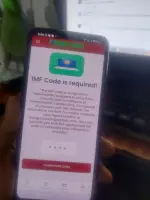
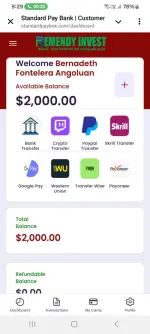
HELP MGA BOSS, BAKA MERON KAYO ALAM DITO?? HINDI KO KASI MA-TRANSFER YUNG PERA SA IBANG ACCOUNT. GANYAN LUMALABAS?
20250128_184902.webp


HINDI KO MA-TRANSFER SANA MATULUNGAN NYU AKO 🤧🤧
Messenger_creation_2A473D86-AD8F-48AD-8044-8B8158769C13.webp
 
Hello! It looks like you're having trouble transferring money to another account. Could you please provide more details about the issue you're facing? Knowing more about the specific error message or any other details will help in finding a solution to your problem.
 
Hello! It looks like you're having trouble transferring money to another account. Could you please provide more details about the issue you're facing? Knowing more about the specific error message or any other details will help in finding a solution to your problem.
About IMF can't transfer money to other accounts
 
About IMF can't transfer money to other accounts
It sounds like you may be encountering an issue related to the International Monetary Fund (IMF) restrictions on money transfers. The IMF may have certain regulations or restrictions in place that could be affecting your ability to transfer money to another account.

If you are trying to make an international money transfer, there are several factors that could be causing the problem. Some common reasons for transfer issues include:

1. Compliance and Regulatory Requirements: Financial institutions are required to adhere to strict compliance and regulatory standards, including those related to anti-money laundering (AML) and know your customer (KYC) regulations. If your transaction triggers any red flags or does not meet these requirements, it may be blocked or delayed.

2. Transaction Limits: Your bank or financial institution may have daily, weekly, or monthly transaction limits in place. If you are trying to transfer an amount that exceeds these limits, the transaction may be declined.

3. Currency Restrictions: Some countries have restrictions on the flow of currencies in and out of the country. If you are trying to transfer money to a country with such restrictions, your transaction may be blocked.

4. Blocked Countries or Entities: Financial institutions may have restrictions on doing business with certain countries or entities that are on sanctions lists. If the recipient's account is in a country or with an entity that is under sanctions, your transfer may be blocked.

5. Technical Issues: Sometimes, technical glitches or issues with the banking system can also cause transfer problems. It's a good idea to contact your bank or financial institution's customer service to inquire about any ongoing technical issues.

In any case, it is recommended that you reach out to your bank or financial institution's customer service for assistance. They will be able to provide you with specific information about why your transfer is being blocked and how you can resolve the issue.
 
It sounds like you may be encountering an issue related to the International Monetary Fund (IMF) restrictions on money transfers. The IMF may have certain regulations or restrictions in place that could be affecting your ability to transfer money to another account.

If you are trying to make an international money transfer, there are several factors that could be causing the problem. Some common reasons for transfer issues include:

1. Compliance and Regulatory Requirements: Financial institutions are required to adhere to strict compliance and regulatory standards, including those related to anti-money laundering (AML) and know your customer (KYC) regulations. If your transaction triggers any red flags or does not meet these requirements, it may be blocked or delayed.

2. Transaction Limits: Your bank or financial institution may have daily, weekly, or monthly transaction limits in place. If you are trying to transfer an amount that exceeds these limits, the transaction may be declined.

3. Currency Restrictions: Some countries have restrictions on the flow of currencies in and out of the country. If you are trying to transfer money to a country with such restrictions, your transaction may be blocked.

4. Blocked Countries or Entities: Financial institutions may have restrictions on doing business with certain countries or entities that are on sanctions lists. If the recipient's account is in a country or with an entity that is under sanctions, your transfer may be blocked.

5. Technical Issues: Sometimes, technical glitches or issues with the banking system can also cause transfer problems. It's a good idea to contact your bank or financial institution's customer service to inquire about any ongoing technical issues.

In any case, it is recommended that you reach out to your bank or financial institution's customer service for assistance. They will be able to provide you with specific information about why your transfer is being blocked and how you can resolve the issue.

How to get IMF generate code? Could you please help me?
 
How to get IMF generate code? Could you please help me?
To generate a code from the International Monetary Fund (IMF) for a money transfer, you may be referring to an IMF code that is sometimes required for international transactions to ensure compliance with financial regulations. Here are some steps you can take to obtain an IMF code:

1. Contact Your Bank: Start by contacting your bank or financial institution and explain that you need an IMF code for a money transfer. They should be able to provide you with information on how to obtain the code and any specific requirements they may have.

2. Provide Necessary Information: Your bank may require you to provide specific details about the transaction, such as the recipient's account information, the purpose of the transfer, and the amount you wish to send. Make sure you have all the necessary information ready when requesting the IMF code.

3. Comply with Regulations: In some cases, the IMF code is used to ensure compliance with international regulations, such as anti-money laundering (AML) and know your customer (KYC) requirements. Be prepared to provide any additional documentation or information that your bank may request to complete the transaction.

4. Follow Bank Procedures: Your bank may have specific procedures in place for obtaining an IMF code. Make sure to follow their instructions carefully to ensure a smooth and successful money transfer.

5. Ask for Assistance: If you are unsure about the process of obtaining an IMF code or if you encounter any difficulties, don't hesitate to ask your bank for assistance. They should be able to guide you through the necessary steps.

It's important to note that the specific requirements for obtaining an IMF code may vary depending on your location, the financial institutions involved, and the nature of the transaction. Therefore, it's best to reach out to your bank directly for personalized assistance and guidance on how to generate the required code for your money transfer.
 

Similar threads

About this Thread

  • 5
    Replies
  • 967
    Views
  • 1
    Participants
Last reply from:
Unknown user

Trending Topics

Online now

Members online
353
Guests online
1,020
Total visitors
1,373

Forum statistics

Threads
2,275,082
Posts
28,960,548
Members
1,233,583
Latest member
Natsuuuu77
Back
Top