 PH
PHTHE PHILIPPINE BUDGET CYCLE
(Source: DBM)
Ito po ang pinaka complete and most detailed and comprehensive explanation, step-by-step ng budget process cycle. Kung may time po kayo basahin niyo po all the files attached here. Makikita niyo po ang pinakasimula ng proseso ng pagbalangkas ng budget hanggang sa pagdaan nito sa Kongreso and ultimately sa pagiging batas nito into GAA.
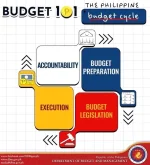
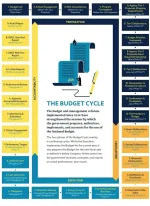
The Philippine Budget Cycle undergoes four phases: Budget Preparation, Legislation, Execution and Accountability
The four phases of the budget cycle overlap in continuing cycles. For example, while the Executive implements the budget for the current year, it also prepares the Budget for the next fiscal year and consequently defends it before Congress. At the same time, the government monitors, evaluates, and reports on its actual performance all year-round.
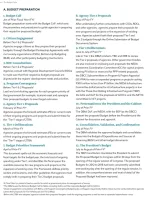
Phase 1 is the 𝗕𝘂𝗱𝗴𝗲𝘁 𝗣𝗿𝗲𝗽𝗮𝗿𝗮𝘁𝗶𝗼𝗻 stage where budget priorities are set and the proposed budget of different government agencies are evaluated and submitted to the President and the Cabinet.
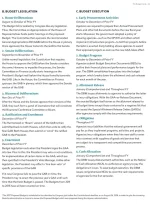
Phase 2 is the 𝗕𝘂𝗱𝗴𝗲𝘁 𝗟𝗲𝗴𝗶𝘀𝗹𝗮𝘁𝗶𝗼𝗻. The President submits the proposed budget to the Congress for deliberation and ratification into the General Appropriations Act (GAA).
Once the GAA is enacted,
Phase 3 begins, the 𝗕𝘂𝗱𝗴𝗲𝘁 𝗘𝘅𝗲𝗰𝘂𝘁𝗶𝗼𝗻 stage. The DBM issues allotments to government agencies based on the approved budget programs under GAA.
The last phase of the budget cycle is:
Phase 4 𝗕𝘂𝗱𝗴𝗲𝘁 𝗔𝗰𝗰𝗼𝘂𝗻𝘁𝗮𝗯𝗶𝗹𝗶𝘁𝘆. This phase is the setting of targets that agencies are to be held accountable for, this is done through continuous monitoring and evaluation using different auditing processes all throughout the fiscal year.
Source:
Summary of the Budget Cycle You do not have permission to view the full content of this post. Log in or register now.
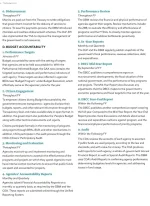
(Source: DBM)
Ito po ang pinaka complete and most detailed and comprehensive explanation, step-by-step ng budget process cycle. Kung may time po kayo basahin niyo po all the files attached here. Makikita niyo po ang pinakasimula ng proseso ng pagbalangkas ng budget hanggang sa pagdaan nito sa Kongreso and ultimately sa pagiging batas nito into GAA.
The Philippine Budget Cycle undergoes four phases: Budget Preparation, Legislation, Execution and Accountability
The four phases of the budget cycle overlap in continuing cycles. For example, while the Executive implements the budget for the current year, it also prepares the Budget for the next fiscal year and consequently defends it before Congress. At the same time, the government monitors, evaluates, and reports on its actual performance all year-round.
Phase 1 is the 𝗕𝘂𝗱𝗴𝗲𝘁 𝗣𝗿𝗲𝗽𝗮𝗿𝗮𝘁𝗶𝗼𝗻 stage where budget priorities are set and the proposed budget of different government agencies are evaluated and submitted to the President and the Cabinet.
Phase 2 is the 𝗕𝘂𝗱𝗴𝗲𝘁 𝗟𝗲𝗴𝗶𝘀𝗹𝗮𝘁𝗶𝗼𝗻. The President submits the proposed budget to the Congress for deliberation and ratification into the General Appropriations Act (GAA).
Once the GAA is enacted,
Phase 3 begins, the 𝗕𝘂𝗱𝗴𝗲𝘁 𝗘𝘅𝗲𝗰𝘂𝘁𝗶𝗼𝗻 stage. The DBM issues allotments to government agencies based on the approved budget programs under GAA.
The last phase of the budget cycle is:
Phase 4 𝗕𝘂𝗱𝗴𝗲𝘁 𝗔𝗰𝗰𝗼𝘂𝗻𝘁𝗮𝗯𝗶𝗹𝗶𝘁𝘆. This phase is the setting of targets that agencies are to be held accountable for, this is done through continuous monitoring and evaluation using different auditing processes all throughout the fiscal year.
Source:
Summary of the Budget Cycle You do not have permission to view the full content of this post. Log in or register now.

 masakit na mata ko ang liit nian