PH
PH-
Welcome to PHCorner Forums! Sign up for free to unlock full access and exclusive privileges, including:
- Asking questions about computer and mobile issues
- Discovering internet tips for your mobile network and computer
Beatriz9's latest activity
-
BBeatriz9 replied to the thread 🏷️ For Sale HIGH QUALITY | Social Media Boosting Hub (TIKTOK, FACEBOOK, & INSTAGRAM) NOT BOT.BEFORE AFTER 1k HIGH QUALITY Reacts, done. Tysm po 💕 (NOT BOT)
-
-
BYour body follows a natural 24-hour rhythm called the circadian rhythm. This internal clock helps control when you feel sleepy, hungry, energetic, or alert. It also influences body temperature, hormone production, and digestion. Sunlight is one...
-
-
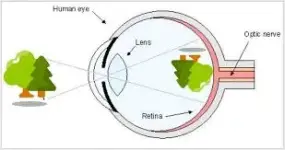
BThe images entering your eyes are actually projected upside down onto your retina. Your brain instantly flips the image so you see the world the right way up. This happens so quickly that you never notice it. Scientists have known this for...
-
-
BBeatriz9 posted the thread 💡 Trivia The First Search Result Isn't Always the Best One in 💬 Chitchat.Many people automatically click the first result they see on a search page. However, the top result may be a ρáíd advertisement rather than the most relevant answer. Search engines usually label sponsored results, but many users don't notice the...
-
-
BThe music you hear while shopping isn't always chosen at random. Research has shown that slower background music can encourage customers to walk more slowly through the store. The longer shoppers stay, the more products they tend to notice and...
-
-
BBeatriz9 replied to the thread 💡 Trivia Red Sale Tags Don't Always Mean the Lowest Price.Truee. May pa cross out pa hahaha
-
BMany shoppers automatically assume that products with red price tags are on sale. However, the color red is often used simply because it attracts attention and creates a sense of urgency. Some stores use red tags even when the discount is...
-
-
BBeatriz9 posted the thread 🎁 Giveaways TIDAL INDIVIDUAL w/ DJ EXTENSION | 1 MONTH #35 in 🆓 Freemium Access.Hidden content Please feedback na lang po :HyperNekoCrazy:
-
-
BBeatriz9 posted the thread 💡 Trivia Your Browser Remembers More Than Just Your Passwords in 💬 Chitchat.Every time you visit a website, your browser may save cookies, cached files, autofill information, and browsing history. These features are designed to make websites load faster and help you sign in more easily. Over time, this stored data can...
-
-
BNEW GORD SKIN SURVEY Hidden content :Anime: TIKTOK FOLLOWERS 45 PESOS [PRICE DROP PROMO] :froogySnow: 5,000 FACEBOOK FOLLOWERS + FREE 5K FB VIEWS [NEW PROMO] :danceFrog: Check out our DISCOUNTED DIAMONDS in this thread ˋ°•*⁀➷...
-
-
BBeatriz9 posted the thread 💡 Trivia Most People Can't Tell the Difference Between HD and 4K on a Small Screen in 💬 Chitchat.Many phones today advertise 4K videos, but on smaller screens, most people struggle to notice the difference compared with standard HD. Your viewing distance, screen size, and eyesight all affect how much extra detail you can actually see...
-
-
BBeatriz9 posted the thread 🎁 Giveaways TIDAL INDIVIDUAL w/ DJ EXTENSION | 1 MONTH #34 in 🆓 Freemium Access.Hidden content Please feedback na lang po :HyperNekoCrazy:
-
-
BBeatriz9 replied to the thread 🎁 Giveaways TIDAL INDIVIDUAL w/ DJ EXTENSION | 1 MONTH #33.Walapong anuman sir. Enjoy!
-
BEvery second, your eyes collect millions of pieces of visual information. If your brain kept every single detail, you'd quickly become overwhelmed. Instead, it automatically filters out most of what it considers unimportant and keeps only the...
-
-
BBeatriz9 posted the thread 🎁 Giveaways TIDAL INDIVIDUAL w/ DJ EXTENSION | 1 MONTH #33 in 🆓 Freemium Access.Hidden content Please feedback na lang po :HyperNekoCrazy:
-
-
BBeatriz9 replied to the thread 🗡️ Mobile Legends Aspirants 5.0 Resource Draw Event Assets.Exclusive lang po for aspirant skin ni Selena tulad ng ibang aspirant