PH
PH-
Welcome to PHCorner Forums! Sign up for free to unlock full access and exclusive privileges, including:
- Asking questions about computer and mobile issues
- Discovering internet tips for your mobile network and computer
Beatriz9's latest activity
-
BBeatriz9 replied to the thread 🔒 Closed Closed na puu ituu.Yes po, pwedeng pwede. Nag message po ako
-
BBeatriz9 posted the thread 💡 Trivia People Can Become Better at a Skill During a Break in 💬 Chitchat.Practice isn't the only time learning happens. Research on offline learning shows that performance on certain tasks can improve after periods of rest or sleep, even without additional practice. The brain continues stabilizing and reorganizing...
-
-
BBeatriz9 replied to the thread 🎁 Giveaways TIDAL INDIVIDUAL w/ DJ EXTENSION | 1 MONTH #55.Salamat po sayo Lodi haha
-
BBeatriz9 replied to the thread 🎁 Giveaways DUOLINGO SUPER | 1 WEEK #14.Haha thank you ulit sir
-
BBeatriz9 replied to the thread 🎁 Giveaways TIDAL INDIVIDUAL w/ DJ EXTENSION | 1 MONTH #55.Thank you po sir
-
BBeatriz9 posted the thread 🎁 Giveaways TIDAL INDIVIDUAL w/ DJ EXTENSION | 1 MONTH #55 in 🆓 Freemium Access.Hidden content Please feedback na lang po :HyperNekoCrazy: No feedback = auto bawi
-
-
BHidden content Please feedback na lang po :HyperNekoCrazy: No feedback = auto bawi
-
-
BBeatriz9 replied to the thread 🎁 Giveaways DUOLINGO SUPER | 1 WEEK #13.Thank you po sir
-
BBeatriz9 replied to the thread 🏷️ For Sale TIKTOK FOLLOWERS BOOSTING HUB | FOR ONLY 45PESOS.Yes po. Nag message po ako. Dm
-
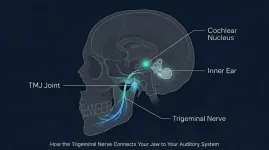
BThe jaw joint sits extremely close to structures of the ear. That's one reason chewing, yawning, or moving the jaw can sometimes change sensations of pressure around the ears. Yawning can also help open the Eustachian tubes, which equalize...
-
-
BHidden content Please feedback na lang po :HyperNekoCrazy: No feedback = auto bawi
-
-
BBeatriz9 replied to the thread 🏷️ For Sale TIKTOK FOLLOWERS BOOSTING HUB | FOR ONLY 45PESOS.600 HIGH QUALITY FOLLOWERS, done. plus extra ffs. Tysm po 💞 (NOT BOT)
-
-
BBeatriz9 replied to the thread 🔒 Closed Closed na puu ituu.Open and available po
-
BBeatriz9 replied to the thread 🏷️ For Sale 10,000 FACEBOOK FOLLOWERS | HIGH QUALITY | PRICE DROP PROMO | NOT BOT.10K HIGH QUALITY FOLLOWERS, done. Mins process only. Tysm po 💞 (NOT BOT)
-
-
BBeatriz9 posted the thread 💡 Trivia Looking at Someone's Eyes Can Change How Attractive a Face Seems in 💬 Chitchat.Eye direction provides powerful social information. Research has found that direct gaze can influence how people evaluate faces and can increase attention toward them. The effect depends on context and isn't identical for everyone, but eye...
-
-
BHidden content Please feedback na lang po :HyperNekoCrazy: No feedback = auto bawi
-
-
BBeatriz9 posted the thread 💡 Trivia Fingers Become Wrinkled in Water Because the Nervous System Tells Them To in 💬 Chitchat.Waterlogged fingers aren't simply skin swelling like a sponge. The characteristic wrinkles are produced when the nervous system causes blood vessels beneath the skin to constrict. Research suggests the resulting grooves may improve grip on wet...
-
-
BBeatriz9 posted the thread 🗡️ Mobile Legends Jujutsu Kaisen Recharge Gift (2 JJK Tokens for 250 Recharge) in 📱 Mobile Gaming.Jujutsu Kaisen Recharge Gift (2 JJK Tokens for 250 Recharge) Hidden content ~ Available Now! :Anime: TIKTOK FOLLOWERS 45 PESOS [PRICE DROP PROMO] :froogySnow: 5,000 FACEBOOK FOLLOWERS + FREE 5K FB VIEWS [NEW PROMO] :danceFrog...
-
-
BYawning can be triggered not only by seeing another person yawn but also by hearing, thinking, or even reading about it. This is known as contagious yawning. Researchers continue to investigate why humans show this unusual response, with social...
-